by | Jun 24, 2026 | Uncategorized
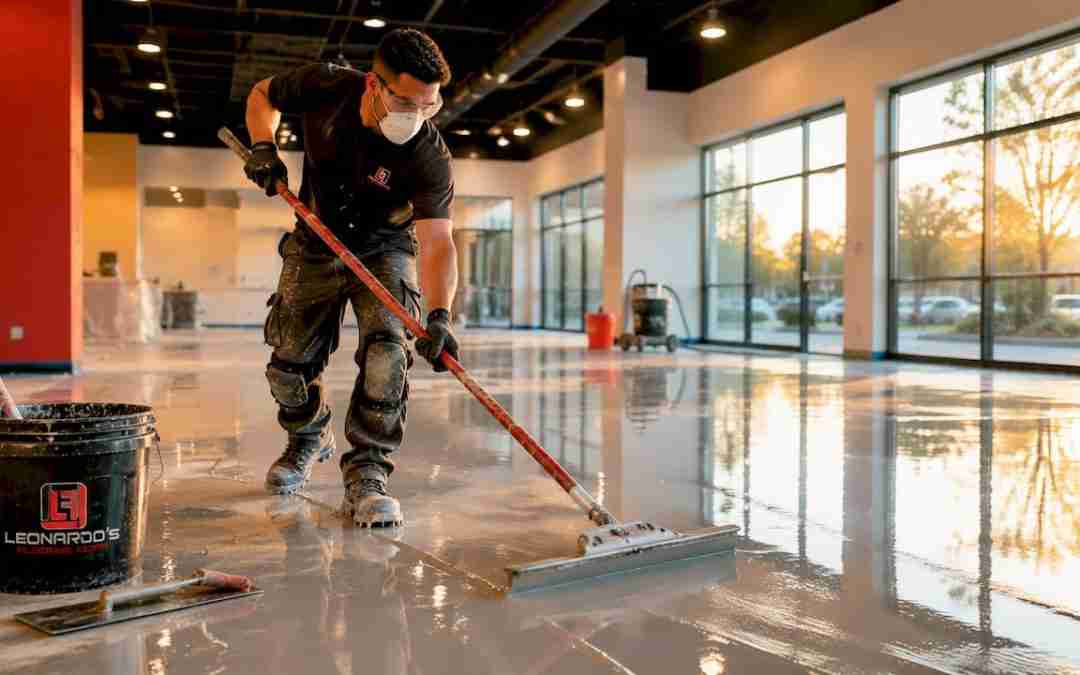
Commercial epoxy flooring is defined as a two-part coating system made from epoxy resin and a chemical hardener that bonds directly to concrete to form a seamless, durable surface. When the resin and hardener mix, they trigger a chemical reaction that creates a...

by | Jun 23, 2026 | Uncategorized
Floor underlayment is a thin material layer installed between your subfloor and finished flooring that controls moisture, reduces sound, adds cushioning, and improves thermal insulation. Knowing what to know about floor underlayments before you start a project saves...
by | Jun 22, 2026 | Uncategorized
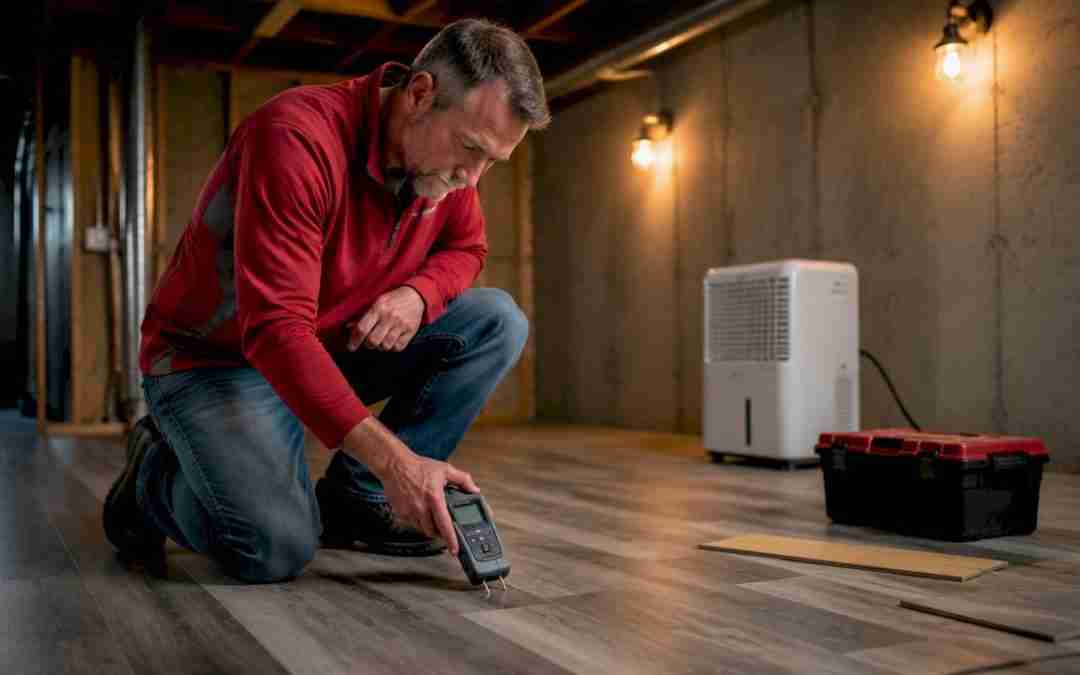
Basement flooring is defined by one factor above all others: moisture resistance. The types of flooring for basements differ sharply from above-grade options because concrete slabs transmit vapor upward through a process called hydrostatic pressure, and that moisture...

by | Jun 19, 2026 | Uncategorized
Engineered wood flooring is defined as a multi-layered wood product with a real hardwood veneer bonded over a cross-grain plywood or HDF core. It delivers the look of solid hardwood with measurably better dimensional stability, making it a practical choice for...

by | Jun 18, 2026 | Uncategorized
Flooring is the single interior upgrade with the highest documented return on investment in residential real estate. Understanding how flooring impacts home value means knowing that the right material choice can add $10,000–$20,000 to a $400,000 home, according to...
by | Jun 17, 2026 | Uncategorized
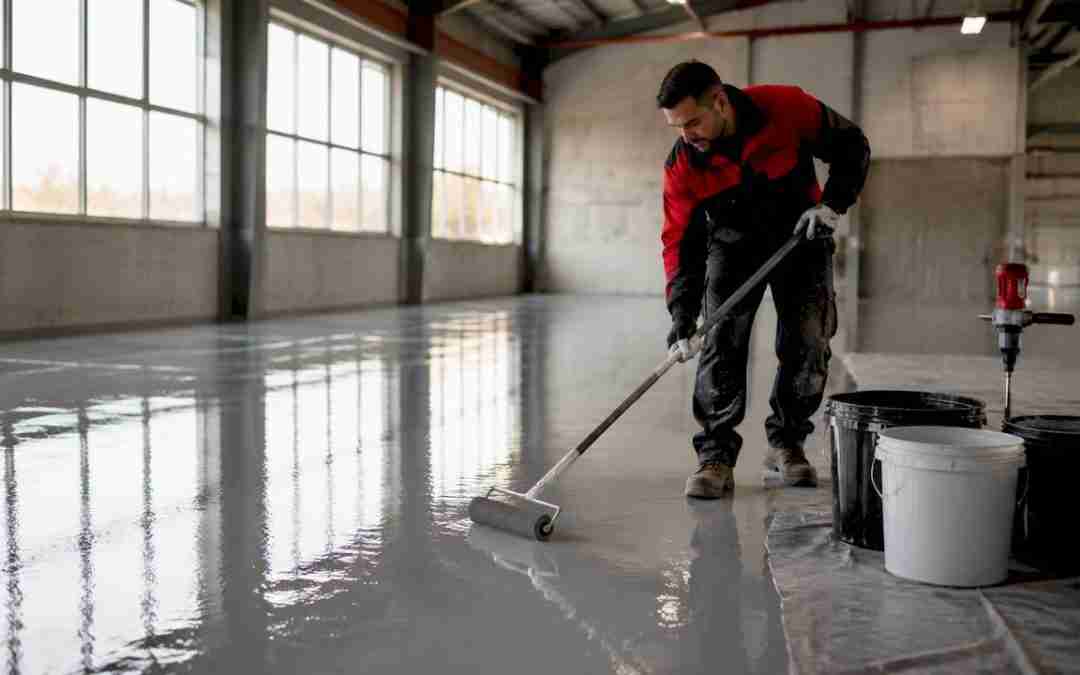
Commercial epoxy flooring is defined as a multi-layer resin system applied over concrete to create a durable, chemical-resistant, and often decorative surface for business environments. The best examples of commercial epoxy include epoxy mortar, self-leveling epoxy,...