by | Aug 6, 2026 | Uncategorized
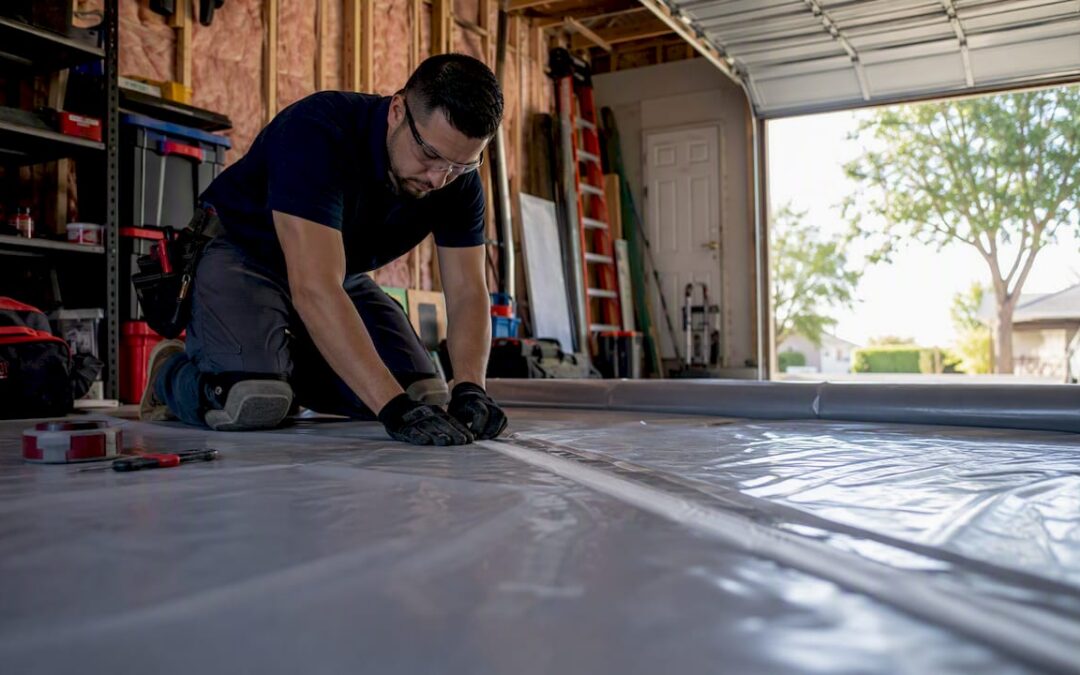
A flooring moisture barrier is a low-permeance membrane or coating installed between a subfloor and finished flooring to stop moisture vapor from migrating upward and destroying the floor above it. The industry term you’ll see on product datasheets is vapor retarder...
by | Aug 5, 2026 | Uncategorized
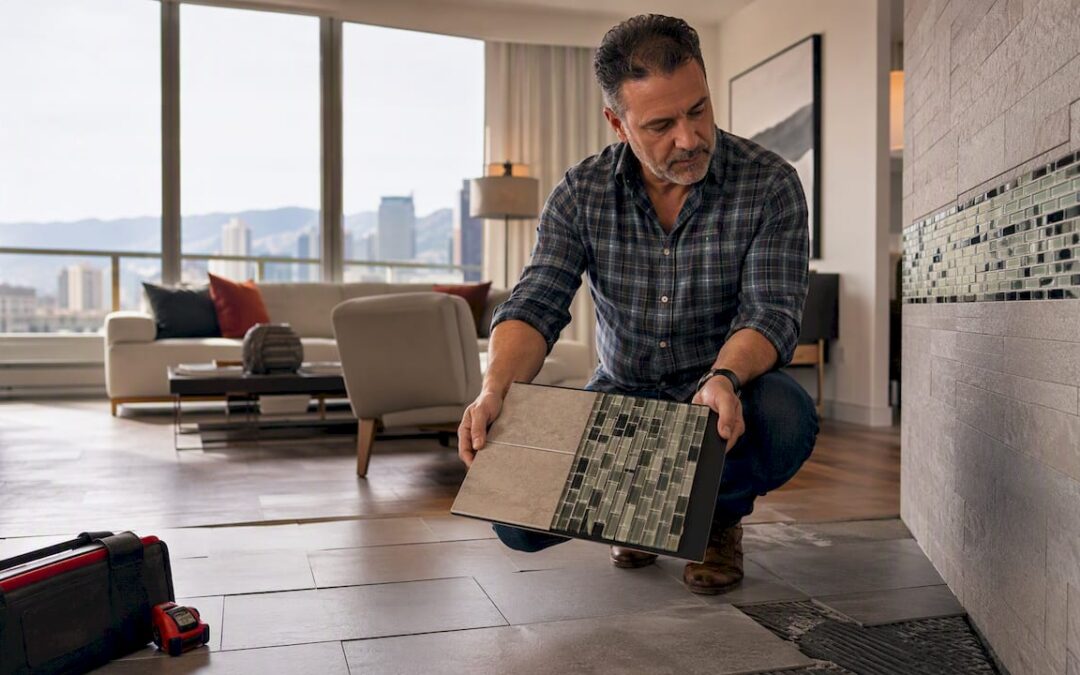
For Denver floors, choose porcelain. For accents, backsplashes, and small wet-area mosaics, glass earns its place. That’s the short answer, and it holds across residential kitchens, commercial lobbies, and everything in between. The Tile Council of North America...
by | Aug 4, 2026 | Uncategorized
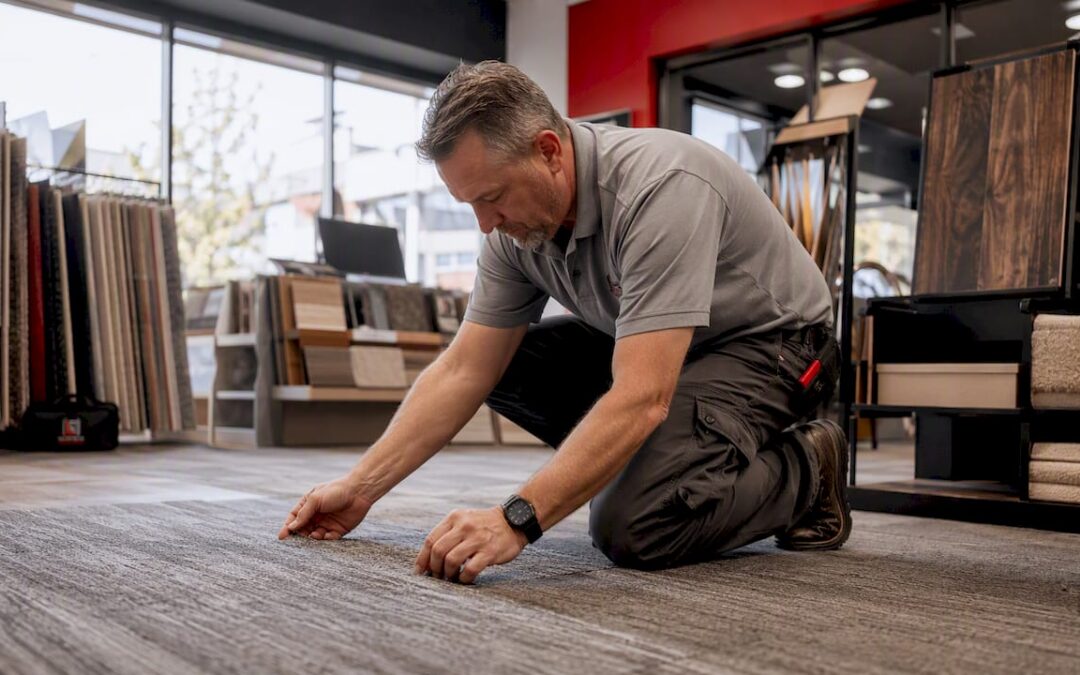
For Denver homeowners, the best move isn’t browsing carpet stores in Richmond VA — it’s hiring a local installer who knows your home, your climate, and your subfloor. Leonardosflooringcorp has served the greater Denver metro for over 10 years, backed by many five-star...
by | Aug 3, 2026 | Uncategorized
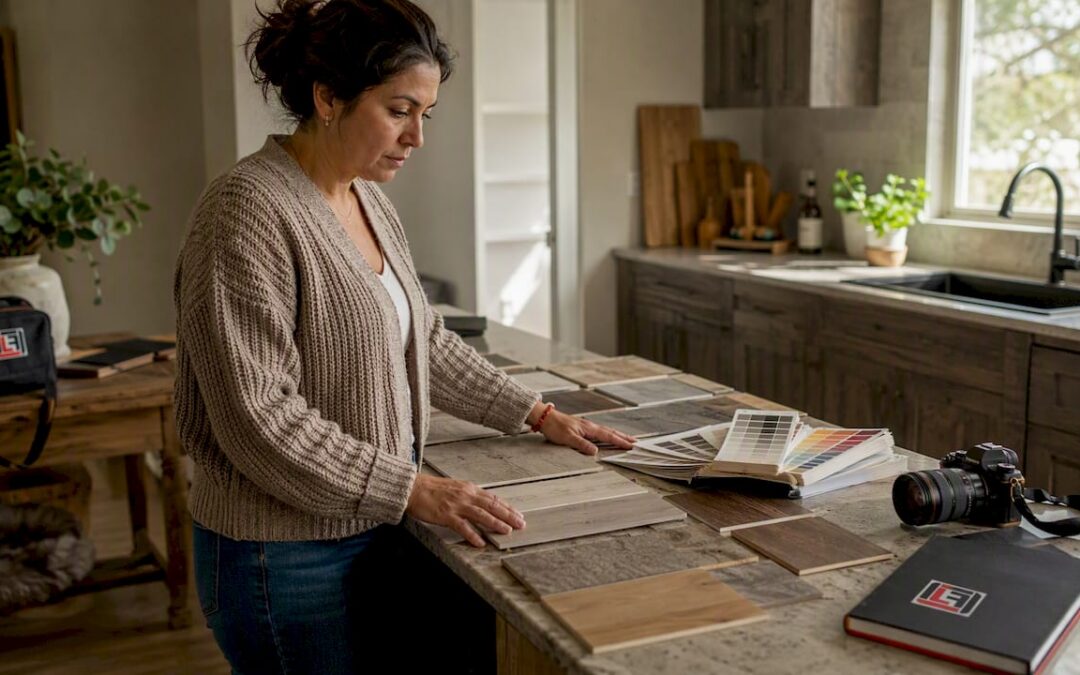
For most Centennial homes, waterproof SPC rigid-core LVP with a 20-mil wear layer is the single best all-around choice, followed by porcelain tile in wet zones, engineered hardwood in formal living areas, and carpet in bedrooms. That shortlist covers roughly 90% of...
by | Jul 31, 2026 | Uncategorized
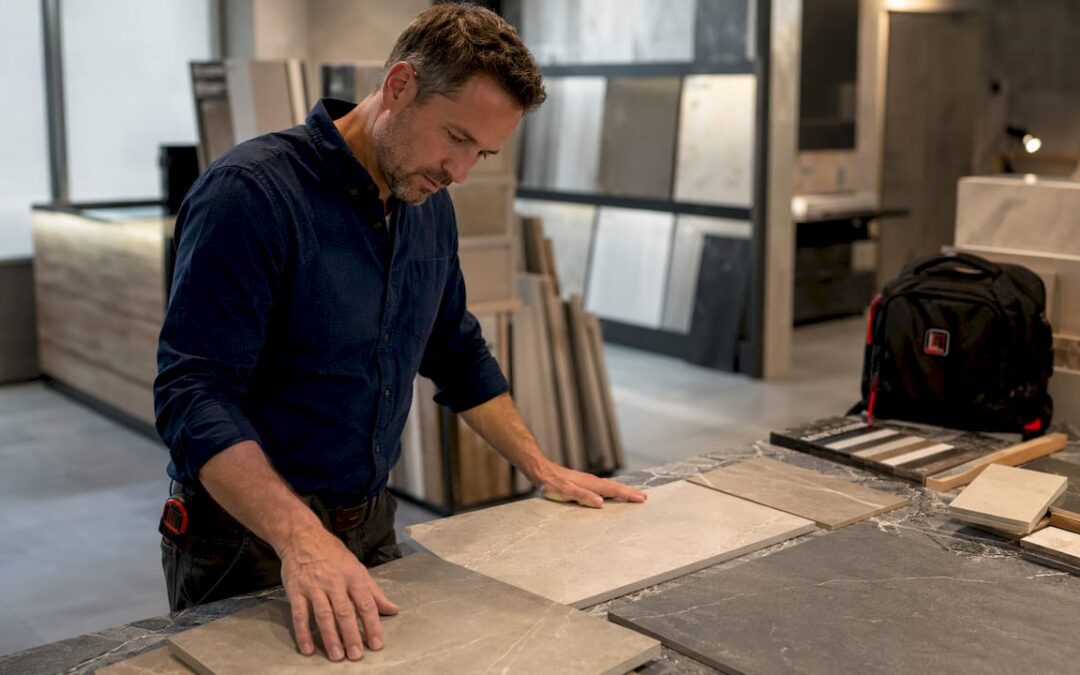
For flood-prone rooms, the top flood-resistant flooring materials are porcelain tile (mortar-set), epoxy-coated concrete, SPC rigid-core vinyl plank, and vulcanized rubber tiles. Here is why each earns its spot: Porcelain tile (mortar-set): Non-porous, can be...
by | Jul 30, 2026 | Uncategorized
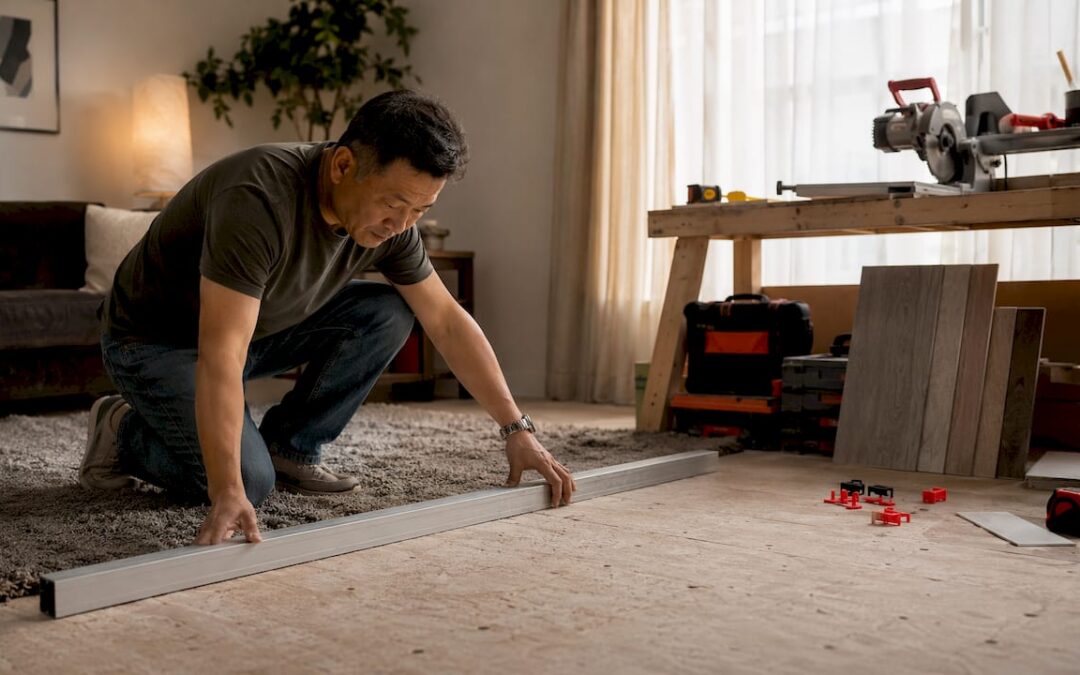
You can install wood-look tile yourself if your subfloor meets three non-negotiable standards: flat to within a very tight tolerance over a length of 10 feet, set with LFT/LHT mortar for planks with longer edges, and laid with a stagger offset capped at about...