
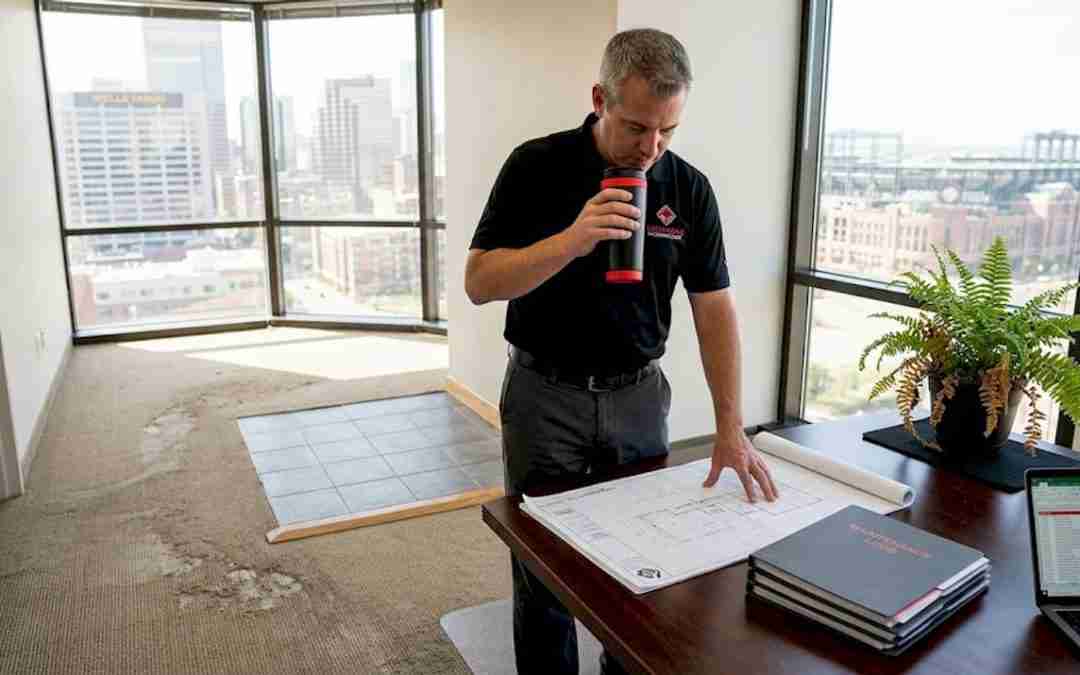
The floor beneath your tenants’ feet is one of the most used and least appreciated assets in your building. Many property managers treat flooring as an afterthought, swapping in whatever looks decent at the lowest price point. That approach costs far more in the long run. Commercial properties in Denver face a unique combination of heavy foot traffic, dramatic seasonal weather shifts, and tenants with high expectations. Choosing the wrong flooring means frequent repairs, unhappy occupants, and a shrinking bottom line. This guide breaks down every major commercial flooring option, how to evaluate them, and what Denver properties specifically need to get it right.
Table of Contents
- What commercial flooring really means
- Types of commercial flooring: Pros and cons
- How to select the right flooring for your Denver property
- Installation and maintenance: What to expect
- Why commercial flooring choices matter more than most realize
- Connect with Denver’s commercial flooring experts
- Frequently asked questions
Key Takeaways
| Point | Details |
|---|---|
| Commercial flooring specialization | Commercial flooring must withstand high traffic and is built with different materials and construction than residential floors. |
| Modular carpet advantages | Modular carpets allow easy replacement and maintenance, perfect for busy Denver buildings. |
| Choosing the right type | Balance durability, maintenance, budget, and appearance to select the ideal flooring for your property. |
| Importance of expert guidance | Local professionals help ensure compliance, efficient installation, and long-term value. |
What commercial flooring really means
Most people assume flooring is flooring. It is not. Commercial flooring is a separate category of product, engineered from the ground up to handle conditions that would destroy residential materials within a few years.
The core differences come down to construction, backing systems, and performance ratings. A residential carpet, for example, is built for comfort and appearance in a space where maybe a handful of people walk each day. A commercial carpet is built to survive hundreds of footsteps daily, resist staining from spills and tracked-in debris, and hold its shape under rolling loads like carts and office chairs. As commercial specifications show, commercial carpet uses different construction, backing systems, and maintenance considerations than residential products.
The performance requirements for commercial flooring in Denver properties typically include:
- Slip resistance: Especially critical near entrances where snow and moisture are tracked in during winter months
- Longevity: Commercial floors need to last 10 to 20 years under heavy use without constant replacement
- Ease of maintenance: Cleaning schedules in commercial buildings are fast and frequent, so flooring must hold up to industrial cleaning methods
- Aesthetics: Tenants and customers judge your building by its appearance, and flooring is a major visual element
- Cost-effectiveness: The total cost over the floor’s lifetime matters more than the upfront price per square foot
“The right commercial flooring is not the cheapest option at installation. It is the option that costs the least over the full lifecycle of the building.”
Understanding these requirements changes how you evaluate every flooring type. Our Denver flooring services cover the full spectrum of commercial applications, from office buildings to retail spaces and everything in between.
Types of commercial flooring: Pros and cons
Once you understand what commercial flooring needs to accomplish, the next step is knowing your options. Each flooring type brings a different set of strengths, weaknesses, and ideal use cases.
Commercial carpet specifications often revolve around choices between modular tiles and broadloom rolls, fiber and colorant systems, and backing construction. These are not trivial decisions. They affect how the floor performs, how easy it is to repair, and how long it lasts.
Here is a direct comparison of the major commercial flooring types used in Denver properties:
| Flooring type | Durability | Maintenance level | Upfront cost | Best commercial use |
|---|---|---|---|---|
| Modular carpet tile | High | Medium | Medium | Offices, conference rooms |
| Broadloom carpet | Medium | Medium-High | Medium | Hotels, corridors |
| Luxury vinyl plank/tile | Very High | Low | Medium | Retail, healthcare, restaurants |
| Ceramic/porcelain tile | Very High | Low | Medium-High | Lobbies, restrooms, kitchens |
| Hardwood | Medium | High | High | Executive offices, boutique retail |
| Laminate | Medium-High | Low-Medium | Low-Medium | Light commercial, reception areas |
| Epoxy coating | Extremely High | Very Low | Low-Medium | Warehouses, garages, industrial |
A few things stand out from this comparison. Vinyl and tile consistently offer the best combination of durability and low maintenance, which is why they dominate high-traffic commercial spaces. Our vinyl flooring options are particularly popular with Denver retail and healthcare clients because they handle moisture, heavy carts, and daily mopping without degrading. For spaces where a polished, permanent look matters, tile floor installation delivers decades of reliable performance.

Hardwood is beautiful but demanding. It scratches, swells with humidity changes, and requires refinishing every several years. In Denver’s dry climate, wood floors can gap and crack without proper humidity control, which adds another layer of maintenance responsibility.
Epoxy coatings are underrated in commercial settings. They are seamless, chemical-resistant, and incredibly durable. Warehouses and parking structures are obvious candidates, but epoxy is also growing in popularity for modern retail and restaurant environments where an industrial aesthetic works well.
Pro Tip: If your property has zones with different traffic levels, consider modular carpet tiles in lower-traffic areas and luxury vinyl plank in high-traffic corridors. You can replace individual tiles in worn spots without pulling up the entire floor, which saves significant money over time.
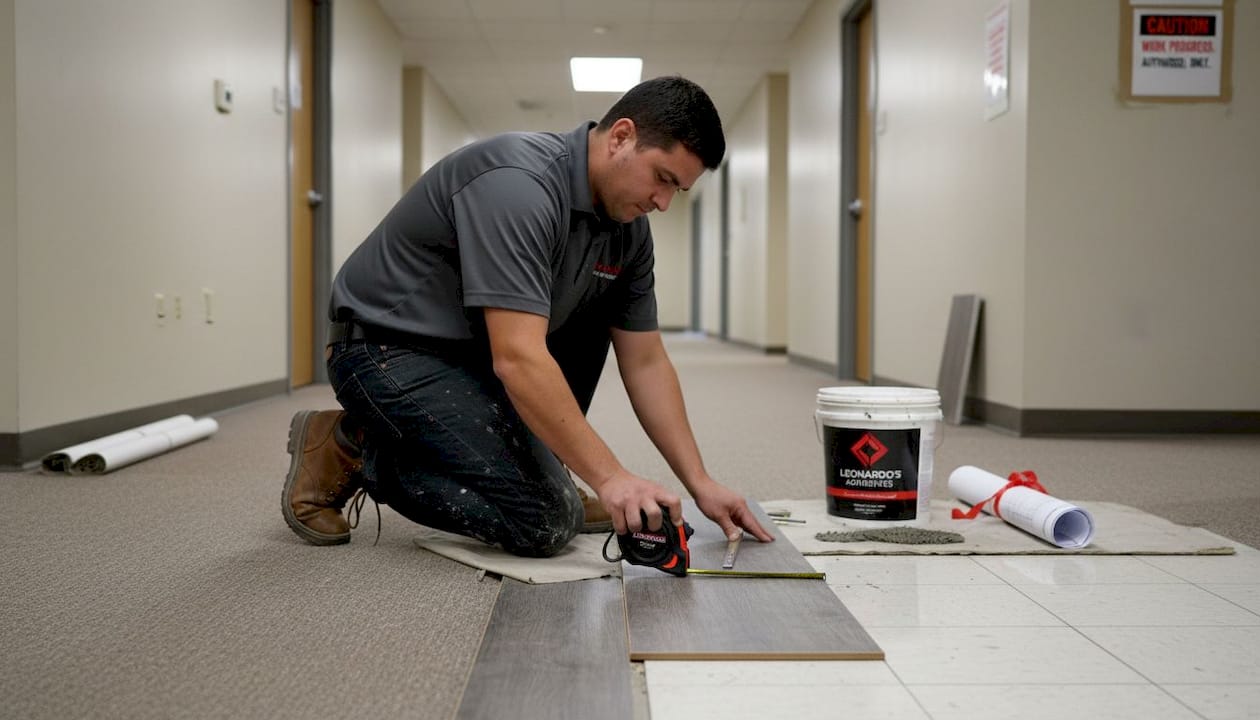
The key to getting the most from any flooring type is professional flooring installation. Even the best product will fail early if the subfloor is not properly prepared or the material is not installed according to commercial specifications.
How to select the right flooring for your Denver property
With options in mind, here’s how to make the best choice for your building. Selection is not about picking your favorite look. It is a structured decision based on real-world requirements.
Follow these steps when evaluating flooring for any commercial space in Denver:
-
Assess daily foot traffic volume. A building lobby that sees 500 people per day needs a completely different floor than a private executive suite. Count actual traffic or estimate based on tenant headcount and visitor flow.
-
Identify moisture and spill risk. Restrooms, break rooms, and building entrances are high-moisture zones. Only flooring with waterproof or water-resistant ratings belongs in these areas. Carpet and untreated hardwood are poor choices here.
-
Consider Denver’s seasonal realities. From October through March, Denver tenants track in snow, road salt, and moisture. Salt is particularly damaging to certain flooring types, including some natural stone and unsealed grout. Choose materials and finishes rated for salt exposure near entrances.
-
Define your aesthetic goals. A law firm has different visual expectations than a fitness studio. Flooring communicates professionalism, warmth, or energy depending on the material and finish. Match the floor to the brand identity your tenants want to project.
-
Set a realistic lifecycle budget. Do not just look at installation cost. Factor in cleaning supplies, professional maintenance, repairs, and eventual replacement. A floor that costs 20% more upfront but lasts twice as long is almost always the better investment.
-
Check local commercial codes. Denver commercial properties must meet specific requirements for slip resistance, fire ratings, and in some cases, indoor air quality standards related to VOC emissions from flooring adhesives and materials.
Pro Tip: Modular installation formats are designed specifically for replaceability, which makes them ideal for commercial properties that cannot afford long disruptions. If you expect heavy wear in specific zones, plan for modular formats from the start.
For spaces where cost is a priority but durability still matters, laminate flooring installation is worth a serious look. Modern commercial-grade laminate performs far better than older generations of the product. If you are weighing wood options, our Denver hardwood flooring guide covers the specific climate considerations that apply to Colorado properties.
Installation and maintenance: What to expect
After selecting your flooring, you’re ready for installation and ongoing care. Both phases require planning, especially in occupied commercial buildings where disruption needs to be minimized.
Installation realities for commercial properties:
- Professional installation is non-negotiable for most commercial flooring. Improper subfloor preparation is the leading cause of premature flooring failure, and commercial subfloors often have irregularities that require grinding, leveling, or moisture barriers before any product goes down.
- Scheduling matters. Most commercial installations happen in phases or during off-hours to keep the building operational. A good flooring contractor will work around your tenant schedule, not the other way around.
- Adhesives, coatings, and underlayments used in commercial installation have cure times that must be respected. Rushing this process leads to bubbling, delamination, and warranty voids.
Commercial carpet installation often specifies modular layouts precisely because they allow phased installation and future replaceability without pulling up an entire floor. This is a significant operational advantage for busy Denver properties.
Maintenance expectations by flooring type:
| Flooring type | Cleaning frequency | Repair approach | Average lifespan (commercial) |
|---|---|---|---|
| Modular carpet tile | Daily vacuuming, periodic deep clean | Replace individual tiles | 10 to 15 years |
| Luxury vinyl plank/tile | Daily damp mop | Replace planks or tiles | 15 to 25 years |
| Ceramic/porcelain tile | Daily mop, grout sealing annually | Replace cracked tiles | 20 to 30 years |
| Hardwood | Daily sweep, periodic refinishing | Sand and refinish | 10 to 20 years |
| Laminate | Daily sweep, damp mop | Replace planks | 8 to 15 years |
| Epoxy coating | Daily sweep, periodic scrub | Spot recoat | 10 to 20 years |
The numbers above make one thing very clear. Tile and vinyl deliver the longest lifespans with the least maintenance burden. Hardwood and laminate require more attention and have shorter commercial lifespans, though they remain excellent choices for the right environments.
For vinyl flooring installation, maintenance is genuinely simple. A daily damp mop and periodic stripping and waxing is all most commercial vinyl floors need to stay looking sharp for 20 or more years. That simplicity is a real operational advantage when you are managing multiple properties.
For deeper guidance on maintaining different flooring types, our flooring tips and advice covers cleaning protocols, product recommendations, and seasonal maintenance strategies specific to Denver’s climate.
Why commercial flooring choices matter more than most realize
Here is the perspective that rarely appears in flooring guides: the floor you choose is not just a surface. It is a long-term operational decision that affects tenant retention, regulatory compliance, and your building’s overall asset value.
We have worked on enough Denver commercial properties over the past decade to see patterns that most property managers only recognize after a costly mistake. The most common one is choosing flooring based on what looks good in a showroom rather than what performs in real conditions. A beautiful natural stone lobby floor that chips, stains, and requires constant sealing is not a premium choice. It is a liability.
Another underappreciated factor is regulatory compliance. Denver commercial buildings must meet specific ADA requirements for slip resistance, particularly in wet areas and transition zones. Some flooring choices that look fine aesthetically will not pass inspection or, worse, will create liability exposure if a tenant or visitor slips. Involving your flooring installer early in the planning process, before you commit to a product, allows them to flag these issues before they become expensive problems.
Tenant satisfaction is also directly tied to flooring. Tenants notice when a floor looks worn, stained, or poorly maintained. It signals that the property owner does not invest in the building. That perception drives lease renewals and referrals more than most landlords realize.
The environmental dimension matters too. Many commercial flooring products now carry certifications for low VOC emissions, recycled content, and sustainable sourcing. Tenants in Denver increasingly ask about these factors, particularly in the tech, healthcare, and professional services sectors. Choosing certified products is not just good for the environment. It is good for leasing.
Our advice, drawn from years of local work: treat your flooring budget as an investment in tenant experience and building longevity, not a line item to minimize. The properties that get this right consistently outperform those that cut corners. Learn more about what that approach looks like in practice at Leonardo’s Flooring Corp.
Connect with Denver’s commercial flooring experts
Choosing the right commercial flooring is a decision that will affect your property for the next 10 to 25 years. Getting it right requires local knowledge, product expertise, and an installer who understands the specific demands of Denver’s climate and commercial building codes.
At Leonardo’s Flooring Corp, we have spent over 10 years helping Denver property managers and building owners make smart, lasting flooring decisions. We handle everything from initial consultation and product selection through professional flooring installation and post-install support. Whether you are outfitting a single-tenant office or managing a multi-floor commercial renovation, we tailor every project to your specific traffic patterns, budget, and timeline. Our clients consistently tell us that the biggest value we provide is not just the installation itself, but the guidance that prevents costly mistakes before they happen. Explore our vinyl floors options or review our hardwood flooring guide to start building your flooring plan today.
Frequently asked questions
What is the biggest difference between commercial and residential flooring?
Commercial flooring is engineered for higher durability, heavier foot traffic, and easier maintenance compared to residential flooring. As commercial carpet research shows, even the backing systems and construction methods differ significantly between the two categories.
How does modular commercial carpet help Denver properties?
Modular carpet allows for easy replacement of worn tiles, minimizing repair costs and downtime, which is ideal for high-traffic Denver locations. Modular layouts are designed specifically for replaceability, making them a practical choice for busy commercial environments.
Do commercial flooring choices impact building maintenance budgets?
Yes, selecting durable and easily maintained flooring reduces long-term maintenance costs and the frequency of repairs significantly. Commercial flooring specifications account for maintenance requirements from the design stage, which is why product selection and maintenance planning go hand in hand.
What types of commercial flooring are most common in Denver?
Popular commercial flooring types in Denver include carpet tiles, luxury vinyl plank, ceramic tile, hardwood, and laminate, selected for their durability and adaptability to Colorado’s climate extremes, including dry winters, road salt exposure, and significant temperature swings.