
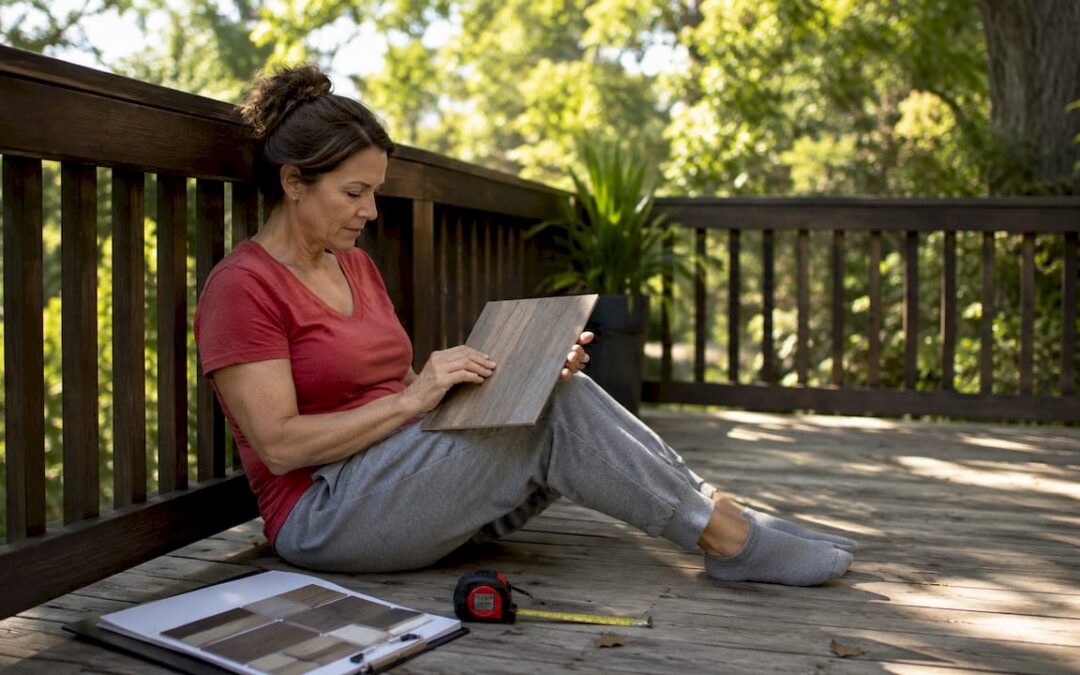
Scratch-resistant flooring is defined as any floor material with a surface hard enough to resist visible damage from daily foot traffic, pet claws, furniture, and dropped objects. The three best scratch-resistant floors on the market today are porcelain tile, luxury vinyl plank (LVP), and modern laminate. Each earns its place through a different combination of surface hardness, wear layer technology, and real-world durability. Your choice comes down to where the floor goes, who uses it, and what you can spend. This guide covers all three in detail so you can decide with confidence.
1. Porcelain tile: the hardest scratch-resistant flooring type
Porcelain tile is widely ranked as the most scratch-resistant flooring on the market, with installed costs running from $8 to $20 or more per square foot. Its surface hardness comes from a high-temperature firing process that fuses dense clay into a near-impenetrable finish. That finish resists scratches, stains, water, and fading better than any other flooring category.
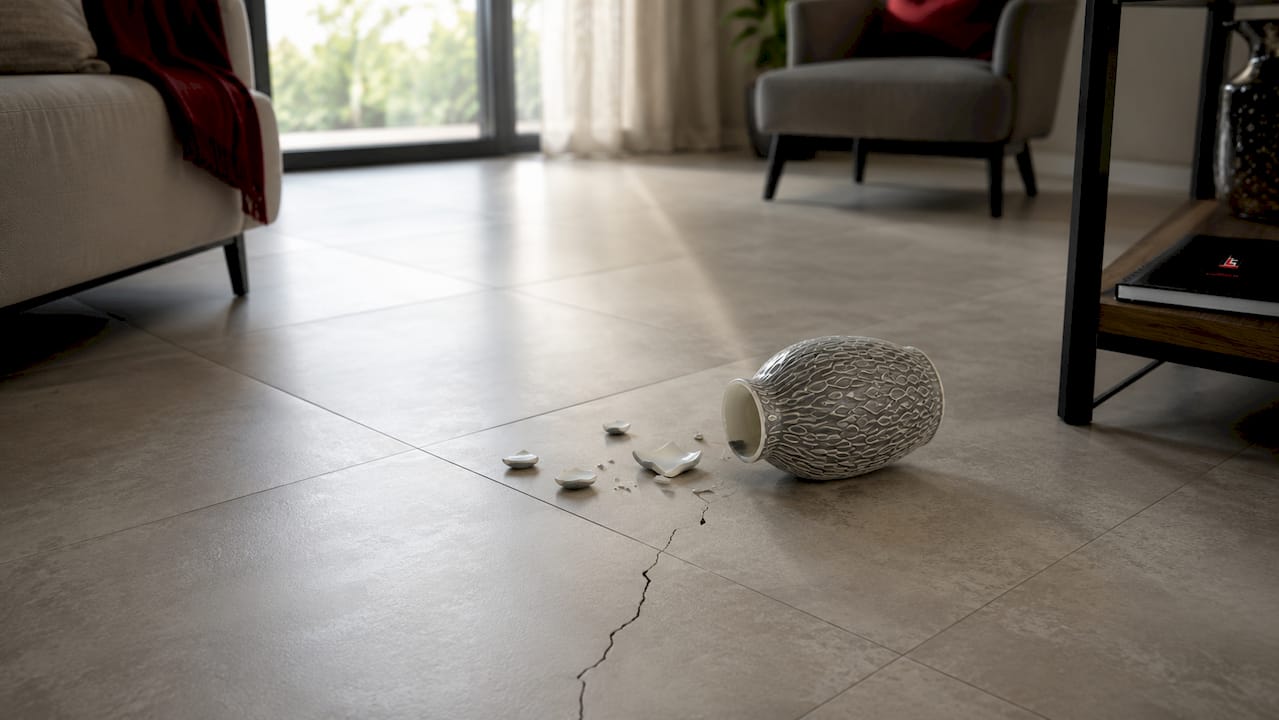
The tradeoff is brittleness. Porcelain tile is prone to cracking when a heavy object drops directly onto it. That means a cast iron pan or a dropped tool can crack a tile that would otherwise last decades. The surface hardness that makes it scratch-proof also makes it unforgiving under sudden impact.
Lifespan is a major advantage. Porcelain tile can last 60 years or more with proper care. No other flooring type comes close to that number. For a floor you install once and never replace, porcelain tile is the clear leader.
Best rooms for porcelain tile:
- Entryways and mudrooms
- Bathrooms and laundry rooms
- Kitchens (with care around heavy appliances)
- Commercial lobbies and retail spaces
| Feature | Porcelain tile |
|---|---|
| Scratch resistance | Highest of all flooring types |
| Water resistance | Fully waterproof |
| Lifespan | 60+ years |
| Installed cost | $8–$20+ per sq. ft. |
| Impact resistance | Low; brittle under heavy impact |
Pro Tip: Professional installation matters more with porcelain tile than with any other flooring type. Improper subfloor prep or uneven setting leads to cracked tiles within months. Leonardosflooringcorp handles tile floor installation across Denver and gets the subfloor right the first time.
2. Luxury vinyl plank: the best all-around option for pets and busy homes
Luxury vinyl plank is the top choice for flooring materials for pets and households with children. Its layered construction includes a waterproof rigid core, a photographic layer that mimics wood or stone, and a clear wear layer on top. That wear layer is what determines scratch protection. A wear layer of at least 20 mils is the standard recommendation for homes with pets or heavy foot traffic. Thinner wear layers wear through faster and show scratches sooner.
LVP costs $5–$10 per square foot installed and lasts 10–20 years with proper maintenance. That lifespan is shorter than porcelain tile, but LVP offers something tile cannot: comfort underfoot and a warmer feel in living spaces. It also handles moisture well, making it a reliable non-scratch flooring solution for kitchens, basements, and laundry rooms.
Best rooms for LVP:
- Kitchens and dining areas
- Basements and laundry rooms
- Playrooms and family rooms
- Pet-heavy areas throughout the home
Pro Tip: Choose LVP with a textured or low-gloss finish. High-gloss surfaces show minor scuffs and swirl marks far more clearly than matte or hand-scraped textures. A textured finish hides everyday wear and keeps the floor looking newer longer.
For a deeper look at how LVP performs in real Denver homes, the LVP buyer’s guide from Leonardosflooringcorp covers wear layer grades, core types, and installation considerations in detail.
3. Modern laminate: the scratch-resistant option for budget-conscious homes
Modern laminate flooring uses a four-layer construction: a backing layer, a high-density fiberboard (HDF) core, a photographic layer, and a tough aluminum-oxide wear layer on top. That aluminum-oxide coating is the key to its scratch resistance. Laminate’s aluminum-oxide wear layer outperforms most LVP coatings in head-to-head scratch resistance tests. That is a fact that surprises most homeowners who assume vinyl always wins on durability.
Modern laminate installs for $4–$8 per square foot, making it the most affordable of the three top options. It delivers strong scratch resistance at a price point that works for full-home renovations or rental properties. The catch is water resistance. Laminate is not fully waterproof. Moisture that seeps into the seams swells the HDF core and causes permanent damage. That limits where you can safely use it.
Best rooms for laminate:
- Living rooms and dining rooms
- Bedrooms with moderate traffic
- Home offices and hallways
- Rental properties where cost control matters
Pro Tip: Advanced modern laminates are a completely different product from the laminate of 15 years ago. If you have pets or kids, look specifically for laminates rated AC4 or AC5 on the Abrasion Criteria scale. Lower-rated products scratch and wear through much faster in active households.
The laminate flooring guide from Leonardosflooringcorp explains AC ratings, core types, and what to look for when choosing durable flooring options for your specific situation.
4. Comparing scratch-resistant floors: durability, cost, and best uses
Choosing between these three materials comes down to four factors: scratch resistance, water exposure, foot traffic level, and budget. No single floor wins every category. The right choice depends on the room and the people using it.
| Feature | Porcelain tile | Luxury vinyl plank | Modern laminate |
|---|---|---|---|
| Scratch resistance | Highest | High (wear layer dependent) | High (aluminum-oxide layer) |
| Water resistance | Fully waterproof | Fully waterproof | Not waterproof |
| Lifespan | 60+ years | 10–20 years | 15–25 years |
| Installed cost | $8–$20+ per sq. ft. | $5–$10 per sq. ft. | $4–$8 per sq. ft. |
| Comfort underfoot | Hard and cold | Warm and cushioned | Moderate |
| Best use case | Wet areas, entryways | Pets, basements, kitchens | Living rooms, bedrooms |
Porcelain tile wins on longevity and scratch hardness but loses on comfort and impact resistance. LVP wins on versatility and moisture handling. Laminate wins on cost and scratch resistance per dollar spent.
For homes with pets, the wear layer thickness on LVP is the single most important spec to check before buying. A 12-mil wear layer will not hold up to large dogs the way a 20-mil or 28-mil layer will. Spending slightly more on a thicker wear layer saves money on replacement costs within a few years.
Installation complexity also affects total cost. Porcelain tile requires the most skill and the most precise subfloor preparation. LVP and laminate are more forgiving and can float over existing subfloors in many cases. That difference in labor complexity shows up in the final installed price. For a full breakdown of what affects flooring durability in Denver homes specifically, the durable flooring guide from Leonardosflooringcorp covers subfloor prep, climate factors, and material selection in one place.
One more option worth knowing: advanced engineered hardwood with surface hardening now offers 4 times the scratch resistance of traditional engineered wood. It costs more than laminate or LVP but delivers a natural wood look with durability closer to synthetic materials. It is worth considering if aesthetics are a top priority and budget allows.
Key takeaways
The three best scratch-resistant flooring types are porcelain tile, luxury vinyl plank, and modern laminate, each suited to different rooms, budgets, and lifestyles.
| Point | Details |
|---|---|
| Porcelain tile lasts longest | With proper care, porcelain tile lasts 60 or more years, longer than any other flooring type. |
| Wear layer thickness matters most for LVP | Choose at least 20 mils for pet households or high-traffic areas to maintain scratch protection. |
| Laminate wins on cost per scratch resistance | Aluminum-oxide wear layers give laminate strong scratch resistance at the lowest installed price. |
| Water exposure determines the right material | Use porcelain tile or LVP in wet areas; keep laminate away from moisture-prone rooms. |
| Installation quality affects lifespan | Proper subfloor prep and professional installation extend the life of all three flooring types. |
What I’ve learned after years of flooring installations in Denver
Homeowners consistently underestimate how much the wear layer matters. They walk into a showroom, fall in love with a color or a wood pattern, and buy based on looks. Then they call us six months later because their dog has scratched through the surface. The floor they chose had a 6-mil wear layer. That is fine for a bedroom with light traffic. It is not fine for a kitchen with two large dogs.
The other mistake I see constantly is choosing laminate for bathrooms or mudrooms. People know it is scratch-resistant and assume it handles everything. It does not. Water is laminate’s weakness, and Denver’s freeze-thaw cycles make moisture management even more critical near entryways. I have seen beautiful laminate floors buckle within a single winter because moisture crept in through the seams.
My honest recommendation: match the material to the room, not to your aesthetic preference. If you love the look of wood but need waterproof performance in a basement, LVP gives you both. If you want the absolute hardest surface in a mudroom that takes a beating every day, porcelain tile is the answer. And if you are renovating a living room or bedroom on a tight budget, modern laminate with an AC4 or AC5 rating will outperform what most people expect from it.
The flooring selection guide we put together covers exactly this kind of room-by-room thinking. Use it before you commit to any material.
— Jim
Flooring installation services from Leonardosflooringcorp
Leonardosflooringcorp has served the greater Denver area for over 10 years, installing hardwood, laminate, vinyl, and tile for both residential and commercial properties. Every project starts with a real conversation about your space, your lifestyle, and your budget.
If you are weighing porcelain tile, LVP, or laminate for your next project, the team at Leonardosflooringcorp will help you choose the right material and install it correctly. Explore laminate flooring installation or vinyl flooring installation services in Denver, or contact us directly to discuss your specific needs. With 125 or more five-star reviews, the results speak for themselves.
FAQ
What is the most scratch-resistant flooring type?
Porcelain tile is the most scratch-resistant flooring available. Its fired ceramic surface resists scratches better than LVP, laminate, or hardwood, and it can last 60 or more years with proper care.
What flooring is best for homes with pets?
Luxury vinyl plank with a wear layer of at least 20 mils is the best flooring for pet households. It resists scratches from claws, handles moisture from spills and accidents, and stays comfortable underfoot.
Is laminate flooring scratch-resistant enough for high-traffic areas?
Modern laminate with an AC4 or AC5 rating handles high-traffic areas well. Its aluminum-oxide wear layer outperforms many LVP coatings in scratch resistance tests, making it a strong choice for living rooms and hallways.
Can scratch-resistant flooring get damaged?
Yes. Even the hardest flooring types have limits. Porcelain tile cracks under heavy impact. LVP scratches through thin wear layers over time. Laminate swells when exposed to standing water. Matching the material to the room prevents most damage.
How do I choose between LVP and laminate for scratch resistance?
Choose LVP for rooms with moisture exposure and choose laminate for dry rooms where scratch resistance per dollar is the priority. In wet areas like kitchens or basements, LVP’s waterproof core makes it the safer long-term choice.