
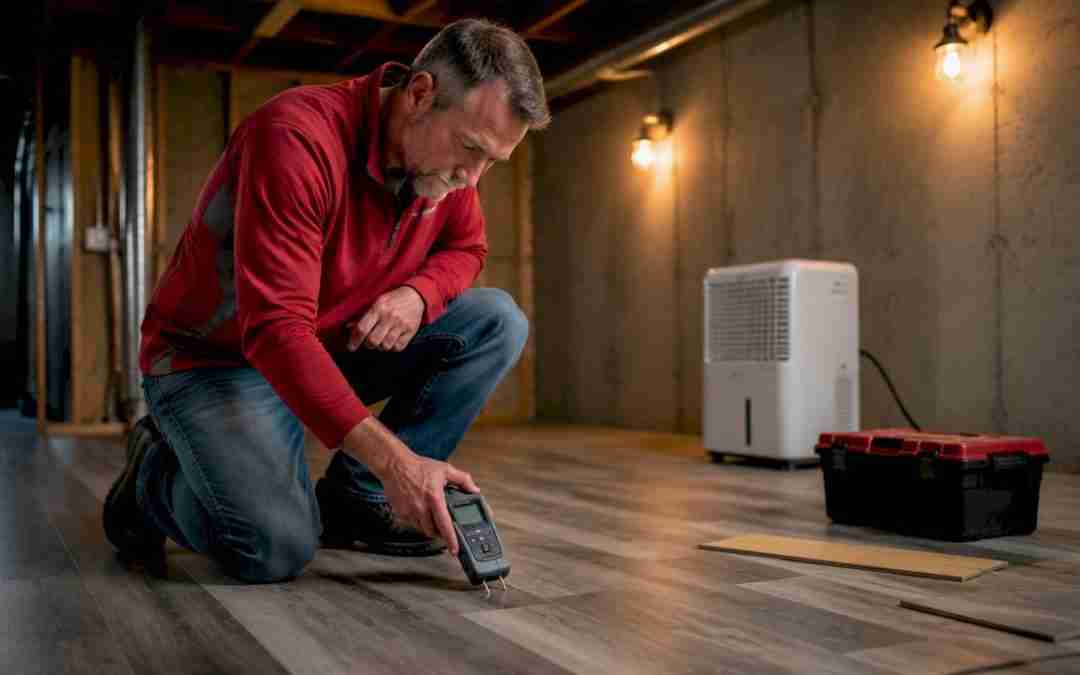
Basement flooring is defined by one factor above all others: moisture resistance. The types of flooring for basements differ sharply from above-grade options because concrete slabs transmit vapor upward through a process called hydrostatic pressure, and that moisture destroys the wrong materials fast. SPC luxury vinyl plank, porcelain tile, epoxy coatings, rubber, engineered hardwood, water-resistant laminate, carpet tiles, and polished concrete each handle that challenge differently. Your choice depends on how wet your basement gets, how you use the space, and what you are willing to spend. This guide breaks down every major option so you can choose with confidence.
What are the most popular types of flooring for basements?
The eight basement floor options below cover the full range of moisture conditions, budgets, and room functions. Each material has a distinct waterproof rating and a price point that reflects its performance ceiling.
SPC luxury vinyl plank (LVP) is the top-rated basement flooring overall. Its stone-plastic composite core is 100% waterproof and costs $5.50–$11.00 per square foot installed. SPC does not swell, warp, or delaminate when exposed to moisture. It also handles temperature swings well, which matters in Denver basements that run cold in winter.
Porcelain tile earns a perfect durability score and is fully waterproof. It costs $12.00–$27.00 per square foot installed, making it the priciest mainstream option. Porcelain is the right call for flood-prone basements or utility rooms where you need a surface that survives standing water without any damage.
Epoxy coatings bond directly to the concrete slab and create a hard, chemical-resistant surface. They score well on durability for gyms and utility spaces but feel cold and hard underfoot, which makes them less comfortable for finished living areas.
Rubber flooring shares epoxy’s utility-space strengths. Interlocking rubber tiles are easy to install, absorb impact well, and resist moisture. They are the standard choice for basement home gyms.
Water-resistant laminate starts as low as $1.49–$2.99 per square foot but carries a critical limitation: its high-density fiberboard core swells irreversibly when exposed to standing water. Laminate works only in dry basements with no history of moisture intrusion.
Engineered hardwood offers real wood aesthetics with better moisture tolerance than solid hardwood. It suits finished basements used as living rooms or bedrooms, provided moisture levels are controlled.
Carpet tiles add warmth and sound absorption to finished basement spaces. They are easier to replace than broadloom carpet when a section gets wet, and they work well over a vapor barrier in dry to mildly damp conditions.
Polished concrete is the lowest-cost option if your slab is already in good shape. Grinding and sealing the existing concrete creates a durable, easy-to-clean surface that suits modern and industrial aesthetics.

| Flooring type | Waterproof rating | Durability | Installed cost |
|---|---|---|---|
| SPC luxury vinyl plank | 100% | Very high | $5.50–$11.00/sqft |
| Porcelain tile | 100% | Highest | $12.00–$27.00/sqft |
| Epoxy coating | 100% | High | Varies by project |
| Rubber tile | 100% | High | Moderate |
| Water-resistant laminate | Surface only | Moderate | $1.49–$2.99/sqft |
| Engineered hardwood | Moderate | Moderate | Higher |
| Carpet tiles | Low | Moderate | Low to moderate |
| Polished concrete | High (sealed) | Very high | Low (existing slab) |
Pro Tip: If you want the look of hardwood in a basement, choose SPC vinyl plank with a wood-grain finish. You get the aesthetic without the moisture risk.
How to choose basement flooring based on moisture level and use
Choosing the right flooring starts with testing, not shopping. Moisture testing the slab using a calcium chloride test or a moisture meter is mandatory before any installation. Skipping this step is the single most common reason basement floors fail within a few years.
The distinction between waterproof and water-resistant is not a marketing nuance. It is a performance boundary. Only SPC vinyl and porcelain tile are truly waterproof and safe for basements with active vapor transmission. Water-resistant materials like laminate protect against spills but fail when moisture comes from below.
Follow these steps to match your basement to the right flooring:
- Test the slab. Run a calcium chloride test or use a moisture meter. If readings are high, you need a fully waterproof material.
- Check your flooding history. Any past water intrusion means you need SPC vinyl, porcelain tile, or epoxy. No exceptions.
- Identify the room’s purpose. A gym needs rubber or epoxy. A living room or bedroom benefits from SPC vinyl, carpet tiles, or engineered hardwood with moisture controls. A utility room calls for epoxy or sealed concrete.
- Install a vapor barrier. Even with waterproof flooring, a moisture barrier under the floor prevents mold from forming in the micro-environment between the slab and the flooring.
- Choose underlayment carefully. Some SPC vinyl products include underlayment. If yours does not, add a foam or cork underlayment rated for below-grade use.
Finished basements used as living spaces benefit most from SPC vinyl, carpet tiles, or engineered wood paired with proper moisture management. Utility and gym basements perform best with epoxy or rubber.
Pro Tip: Tape a piece of plastic sheeting to the bare concrete slab and seal the edges with tape. Leave it for 24–48 hours. If moisture collects underneath, your slab has active vapor transmission and needs a fully waterproof flooring solution.
What are common mistakes to avoid when selecting basement flooring?
The most common homeowner mistake is choosing flooring based on aesthetics alone without moisture testing first. A beautiful engineered hardwood floor installed over a damp slab will buckle and grow mold within a season.
Avoid these errors before you buy or install anything:
- Using solid hardwood or standard laminate. Experts recommend avoiding solid hardwood, standard laminate, and untreated broadloom carpet in basements. These materials warp, swell, or develop mold in below-grade rooms.
- Ignoring past flooding. If the basement flooded once, it will likely face moisture again. Treat any flooding history as a hard requirement for fully waterproof materials.
- Skipping the vapor barrier. Installing flooring directly on concrete without a vapor barrier traps moisture and creates the ideal conditions for mold growth.
- Confusing water-resistant with waterproof. Laminate labeled “water-resistant” handles surface spills. It does not handle vapor rising from the slab.
- Choosing comfort over function in wet zones. Carpet feels great underfoot but absorbs moisture and holds mold. Reserve carpet tiles for dry, well-controlled basement environments only.
- DIYing without understanding subfloor prep. An uneven or damaged concrete slab must be leveled and repaired before any flooring goes down. Skipping subfloor prep causes floating floors to shift and tile to crack.
Pro Tip: Pull any permits for past basement work and check for moisture-related repairs in the history. A basement that flooded five years ago and was “fixed” may still have underlying drainage issues that will damage new flooring.
How do installation methods and maintenance differ by flooring type?
Installation method affects both cost and long-term performance. Floating installation, glue-down, and direct-bond methods each suit different materials and moisture conditions.
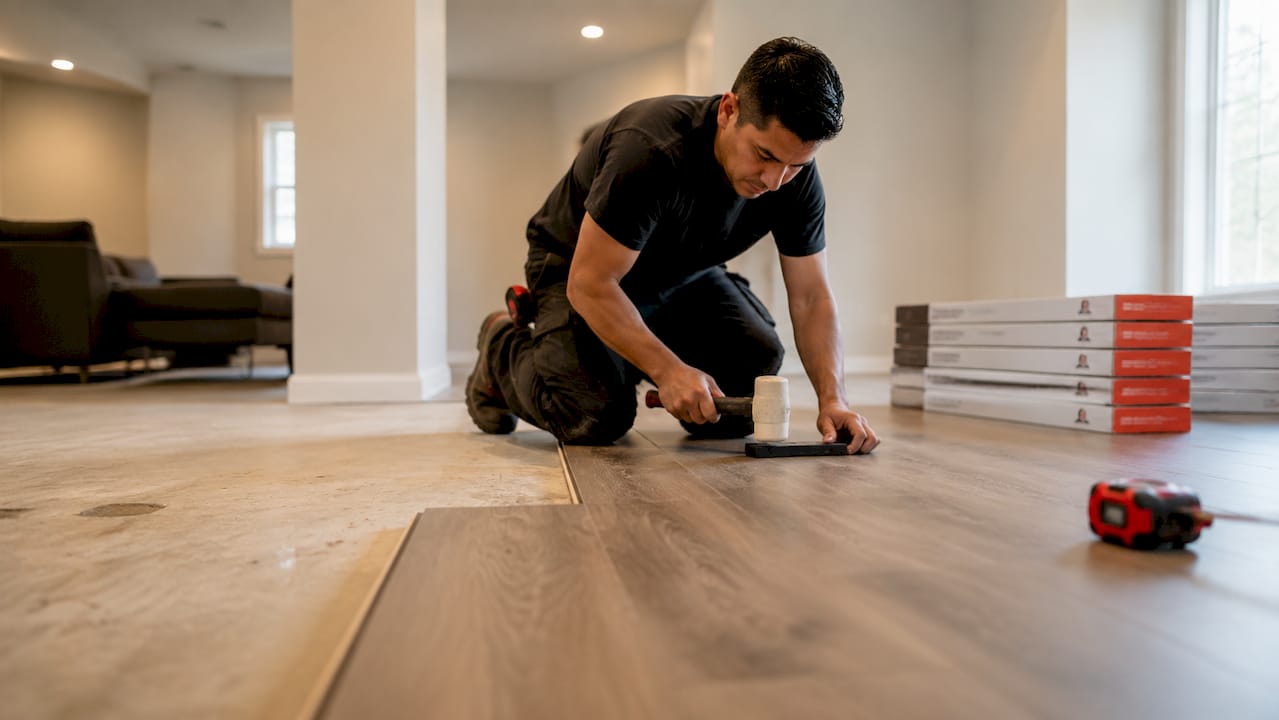
SPC vinyl plank uses a click-lock floating system. The planks connect without adhesive, which means floating LVP can be removed, dried, and reinstalled after minor flooding without replacing the entire floor. This is a significant advantage in basements. Maintenance is simple: sweep regularly and mop with a pH-neutral cleaner.
Porcelain tile requires a mortar-set installation with grouted joints. It is the most labor-intensive option and is rarely a DIY project for large spaces. Once installed, tile is extremely low-maintenance. Sweep and mop with a mild cleaner. Grout lines need sealing every one to two years to prevent staining.
Epoxy coatings require the most preparation. The concrete must be cleaned, degreased, and etched or ground before application. The coating is applied in layers and needs 24–72 hours to cure fully. Once cured, epoxy is one of the easiest surfaces to maintain: sweep and mop with water or a mild detergent.
Rubber tiles are the easiest to install. Most interlock without adhesive and can be laid directly on a clean, level slab. Individual tiles replace easily if damaged. Clean with a damp mop and mild soap.
| Flooring type | Installation method | DIY-friendly | Maintenance effort |
|---|---|---|---|
| SPC vinyl plank | Click-lock floating | Yes | Low |
| Porcelain tile | Mortar and grout | No (large areas) | Low |
| Epoxy coating | Direct bond to slab | Possible (small areas) | Very low |
| Rubber tile | Interlocking or glue | Yes | Low |
| Water-resistant laminate | Click-lock floating | Yes | Low |
| Engineered hardwood | Floating or glue-down | Moderate | Moderate |
| Carpet tiles | Peel-and-stick | Yes | Moderate |
| Polished concrete | Grind and seal | No | Very low |
For any flooring type, concrete slab moisture testing, vapor barriers, and proper material selection form the foundation of a long-lasting basement floor. Skipping any one of those three steps shortens the life of even the best materials.
Key takeaways
Moisture testing the slab before selecting any material is the single most important step in choosing basement flooring that lasts.
| Point | Details |
|---|---|
| SPC vinyl is the top choice | It is 100% waterproof, costs $5.50–$11.00/sqft installed, and handles vapor transmission well. |
| Waterproof beats water-resistant | Only SPC vinyl and porcelain tile are truly waterproof and safe for damp or flood-prone basements. |
| Test before you buy | Use a calcium chloride test or moisture meter on the slab before committing to any flooring material. |
| Match material to room use | Gyms and utility rooms need epoxy or rubber; living spaces benefit from SPC vinyl or carpet tiles. |
| Vapor barriers are non-negotiable | Install a moisture barrier under any flooring to prevent mold, even when using waterproof materials. |
What I’ve learned after years of basement flooring projects
Basements punish shortcuts faster than any other room in the house. I have seen beautiful engineered hardwood floors turn into a mold problem within one Denver winter because the homeowner skipped moisture testing. The floor looked fine for six months. Then it buckled. The remediation cost more than the original installation.
My honest recommendation: start with SPC luxury vinyl plank in almost every basement situation. It is genuinely waterproof, it floats over the slab so it can be pulled up if needed, and the current generation of wood-look SPC products looks convincingly like real hardwood. For homeowners who want porcelain tile, I respect the choice. It is the most durable surface you can put in a basement. Just budget for professional installation because the prep work and grouting are not forgiving of mistakes.
The one thing I push back on hardest is the idea that aesthetics should drive the decision. Pick your moisture solution first. Then find a material within that category that looks the way you want. That order of operations saves homeowners from expensive failures. When you are unsure, consult a flooring professional before you buy anything. A one-hour conversation costs nothing and can save you thousands.
— Jim
Basement flooring installation services from Leonardosflooringcorp
Leonardosflooringcorp has installed basement floors across the Denver metro for over 10 years, handling everything from vinyl flooring installation to tile floor installation and epoxy floor coatings. Every project starts with a real conversation about your basement’s moisture conditions, how you use the space, and what your budget allows.
No cookie-cutter approaches. No surprises. Leonardosflooringcorp’s 125+ five-star reviews reflect a straightforward process: assess the slab, recommend the right material, and install it correctly the first time. If you are planning a basement renovation in the Denver area, reach out to Leonardosflooringcorp for a consultation and get the right floor for your specific conditions.
FAQ
What is the best flooring for a wet basement?
SPC luxury vinyl plank and porcelain tile are the best choices for wet basements. Both are 100% waterproof and handle vapor transmission from below-grade slabs without warping or swelling.
Is laminate flooring safe for basements?
Water-resistant laminate works only in dry basements with no moisture history. Its HDF core swells irreversibly when exposed to standing water, making it unsuitable for damp or flood-prone basement conditions.
Do I need a vapor barrier under basement flooring?
A vapor barrier is necessary under any basement flooring, including waterproof materials. It prevents mold from forming in the space between the concrete slab and the flooring surface.
How much does basement flooring cost per square foot?
Costs range from $1.49–$2.99 per square foot for water-resistant laminate up to $12.00–$27.00 per square foot for porcelain tile. SPC luxury vinyl plank falls in the middle at $5.50–$11.00 per square foot installed.
Can I install basement flooring myself?
SPC vinyl plank, rubber tiles, and carpet tiles are DIY-friendly due to their click-lock or interlocking systems. Porcelain tile and epoxy coatings require professional installation for best results, especially in larger basement spaces.