
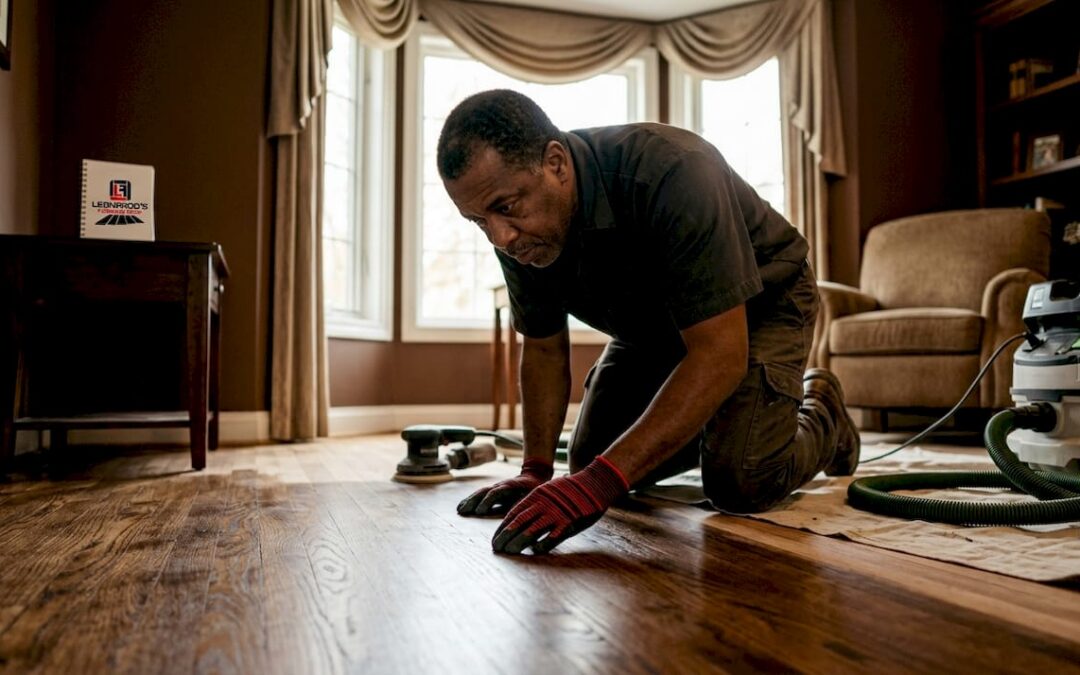
Hardwood floor refinishing is the process of sanding, repairing, staining, and sealing wood floors to restore their appearance and extend their lifespan. For Kansas City homeowners, this process carries extra weight. Kansas City’s humid summers and cold, dry winters stress hardwood more than moderate climates do, accelerating wear and finish breakdown. A professional hardwood floor refinishing service typically costs between $3 and $12 per square foot, and most residential jobs wrap up in 2–3 days. Knowing what to expect before you call a contractor saves time, money, and surprises.
What is hardwood floor refinishing and why does it matter for Kansas City homes?
Hardwood floor refinishing is the industry term for a multi-stage restoration process that removes the worn surface layer and replaces it with fresh stain and protective finish coats. The National Wood Flooring Association (NWFA) defines the standard process as sanding, repair, staining, and sealing with multiple finish coats. Each stage builds on the last, and skipping any one of them shortens the floor’s life.
Kansas City’s climate is a real factor here. Humid summers and cold winters cause wood to expand and contract repeatedly. That movement breaks down finish coats faster than in stable climates, which is why Kansas City hardwood flooring requires more attention to finish selection and humidity control than floors in drier regions.
The benefits of refinishing go beyond looks:
- Restores shine and color by removing scratches, stains, and dull finish layers
- Protects the wood with fresh polyurethane or oil-based sealer coats
- Extends floor life by addressing surface damage before it reaches the wood grain
- Adds home value since well-maintained hardwood floors are a top selling point in the Kansas City real estate market
- Avoids costly replacement by catching wear early
Pro Tip: Ask your contractor whether they follow NWFA standards and whether their workmanship carries a warranty. Contractors who reference NWFA guidelines are more likely to deliver consistent, durable results.
Refinishing done right can add decades to a floor’s usable life. Refinishing done poorly, with the wrong finish for Kansas City’s humidity swings, can peel or bubble within a year.
What tools, materials, and preparation are required before refinishing?
The right preparation separates a smooth project from a costly redo. Before sanding begins, the room must be cleared of all furniture, rugs, and floor vents. The subfloor needs a structural check, and any loose boards, squeaks, or deep gouges should be flagged for repair.
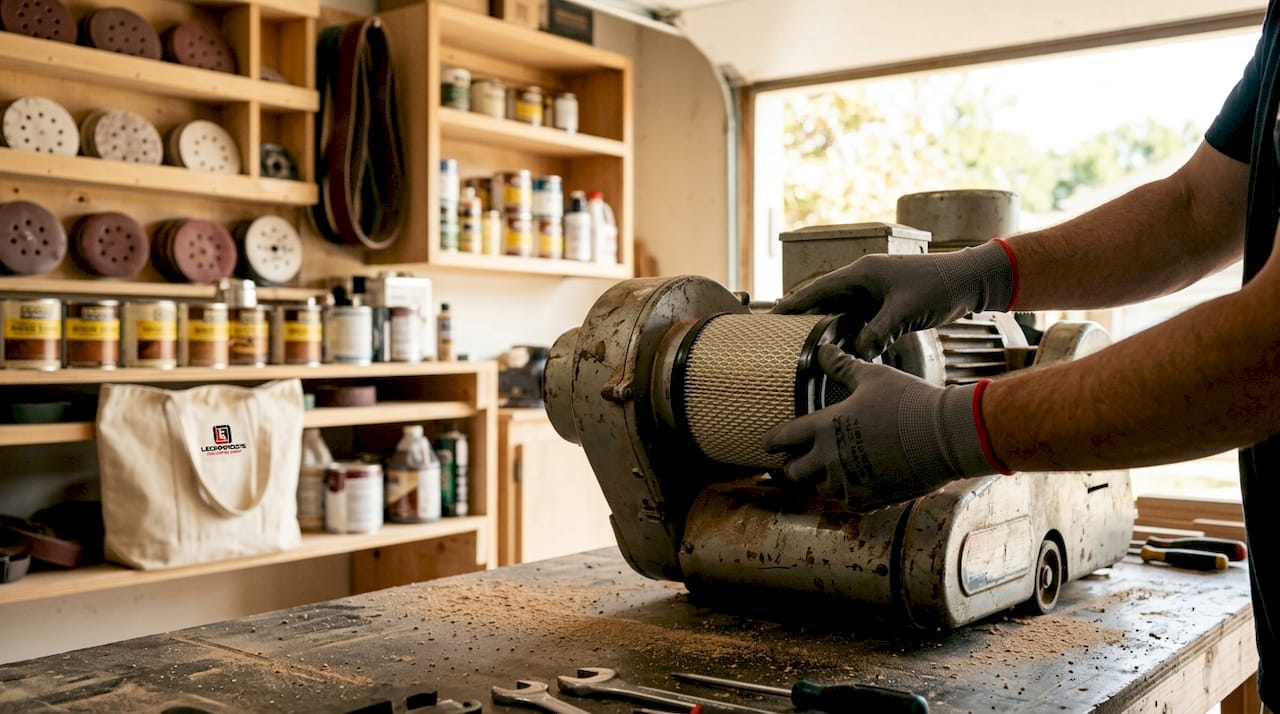
During in-home evaluations, contractors assess subfloor condition, pet stains, and deep gouges to determine what repairs are needed before refinishing can begin. Homeowners who discuss these specifics upfront get more accurate estimates and fewer surprises mid-project.
Here is a breakdown of the core tools and materials involved:
| Category | Examples | Purpose |
|---|---|---|
| Sanding equipment | Drum sander, edge sander, buffer | Remove old finish and surface damage |
| Dust containment | Bona Atomic system | Trap airborne dust at the source |
| Stains | Oil-based, water-based stains | Add color and character to the wood |
| Finish coats | Polyurethane, hardwax oil | Seal and protect the wood surface |
| Repair materials | Wood filler, replacement boards | Fix gouges, gaps, and damaged planks |
Dust containment systems like Bona Atomic trap airborne particles instantly during sanding. That matters for two reasons: it protects your indoor air quality, and it cuts cleanup time significantly. Reputable Kansas City contractors use this technology as standard practice, not an upgrade.
Pro Tip: Before your contractor arrives, check that the room’s humidity level is between 35% and 55%. Applying finish in conditions outside that range can cause adhesion problems, especially during Kansas City’s humid summer months.
Getting multiple quotes from contractors is the best way to understand the true scope and cost of your project. A free in-home estimate lets the contractor see the actual floor condition rather than guessing from photos.
Step-by-step guide to the hardwood floor refinishing process in Kansas City
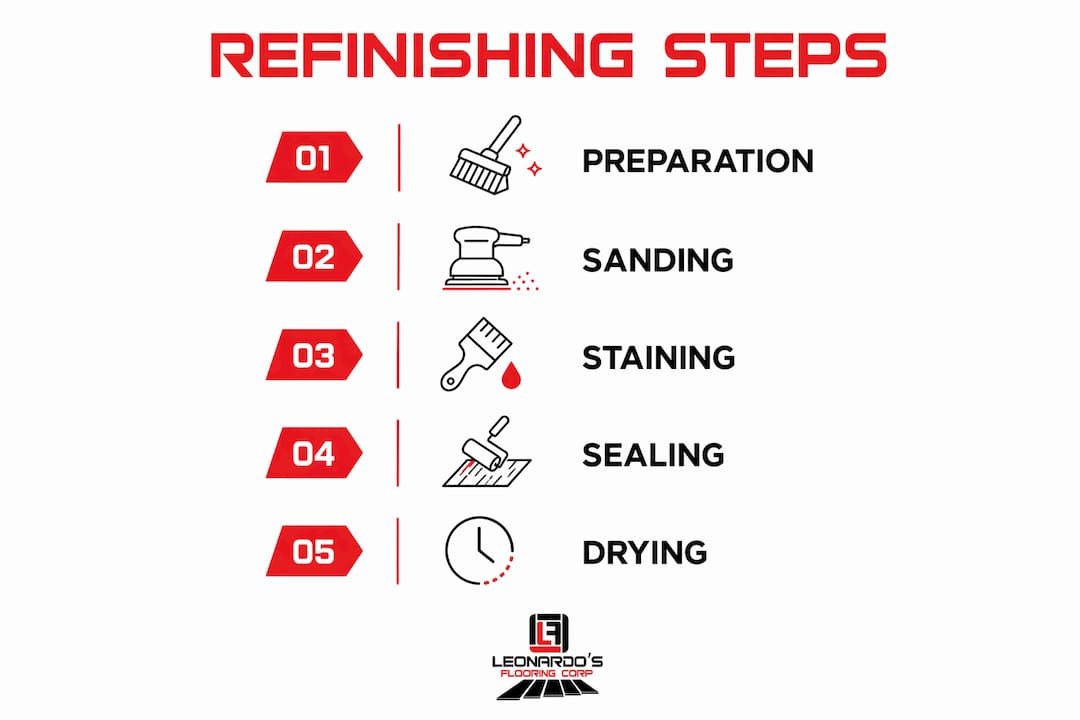
Understanding each stage helps you set realistic expectations and communicate clearly with your contractor. Here is what a standard Kansas City hardwood restoration project looks like from start to finish.
-
Floor inspection and assessment. The contractor walks the entire floor, checking for structural issues, deep stains, board gaps, and finish type. Subfloor and surface damage assessment at this stage determines whether full refinishing or targeted spot repairs are the right call.
-
Room preparation. Furniture is removed, floor vents are covered, and doorways are sealed with plastic sheeting to contain dust. Baseboards may be removed or masked depending on the contractor’s process.
-
Sanding. A drum sander removes the old finish layer across the main floor area. An edge sander handles the perimeter. A buffer smooths the entire surface after the coarse passes. Dust containment equipment runs throughout this stage to protect air quality.
-
Repairs. Gouges, gaps between boards, and pet stain damage are addressed with wood filler or board replacement. This step happens after initial sanding so the contractor can see the full extent of damage clearly.
-
Staining. If you want a color change or enhancement, stain is applied evenly across the sanded surface. Water-based stains dry faster; oil-based stains penetrate deeper and tend to show wood grain more richly.
-
Finish coat application. Professional refinishing includes multiple finish coats with proper cure times between each layer. Polyurethane is the most common choice for high-traffic areas in Kansas City homes because it handles humidity fluctuations well.
-
Drying and curing. Light foot traffic is typically possible within 24–48 hours. Full cure, meaning the floor can handle furniture and rugs, takes 5–7 days. Rushing this stage is one of the most common mistakes homeowners make.
-
Final inspection and cleanup. The contractor walks the floor with you to confirm finish quality, edge consistency, and repair results. Any touch-ups are handled before the job is signed off.
Most refinishing projects complete in 1–5 days, with typical residential jobs finishing in 2–3 days. Larger homes or floors with significant damage take longer.
How to choose a reliable hardwood floor refinishing company in Kansas City
The Kansas City flooring market has no shortage of contractors. The difference between a great result and a floor that needs redoing in two years often comes down to how you vet the company before signing anything.
Start with certifications. NWFA and Bona certifications signal that a contractor has met industry standards for training and workmanship. These are not just marketing badges. They indicate the contractor knows how to handle finish selection, humidity conditions, and repair techniques specific to wood flooring.
Key questions to ask any hardwood floor refinishing company:
- Do you carry liability insurance and workers’ compensation coverage?
- What dust containment system do you use during sanding?
- Will you provide a written estimate that itemizes labor, materials, and repairs?
- What finish products do you use, and why are they right for my floor type?
- Do you offer a workmanship warranty, and what does it cover?
Honest communication about floor condition and repair needs is the clearest sign of a trustworthy contractor. A contractor who tells you upfront that three boards need replacement before refinishing is more reliable than one who glosses over damage to win the job.
Check online reviews specifically for wood flooring kansas city searches, not just general contractor reviews. Look for consistent mentions of clean work, accurate timelines, and responsive communication. Red flags include vague estimates, pressure to sign quickly, and no mention of dust containment practices.
You can also learn more about working with flooring contractors before committing to a project, which helps you ask better questions and spot weak proposals faster.
Common challenges and mistakes during hardwood floor refinishing
Even well-intentioned projects go wrong. Knowing the most common pitfalls helps you avoid them and hold your contractor accountable.
- Skipping dust containment. Sanding without a proper containment system coats your entire home in fine wood dust. It takes days to clean and can aggravate respiratory conditions. Always confirm your contractor uses a system like Bona Atomic before work begins.
- Ignoring subfloor problems. A beautiful finish on a structurally compromised subfloor will crack and separate within months. Subfloor issues must be resolved before any sanding starts.
- Wrong stain selection. Choosing a stain color from a small sample chip in a showroom often leads to disappointment on a full floor. Always request a test patch on your actual floor before committing to a color.
- Rushing the cure time. Placing furniture or rugs on a floor that has not fully cured traps moisture and causes finish impressions. Wait the full recommended cure period, even if the floor feels dry to the touch.
- Waiting too long between refinishing cycles. Refinishing every 10 years is the standard recommendation, and sooner in high-traffic areas. Delaying past that point risks damage that goes beyond the finish layer and into the wood itself, requiring board replacement rather than simple refinishing.
“Delaying refinishing can lead to costly board replacements that could have been avoided with a timely sanding and recoat.”
Scheduling your Kansas City hardwood restoration during spring or fall, when indoor humidity is most stable, gives the finish the best conditions to cure properly and bond to the wood.
Key takeaways
Hardwood floor refinishing in Kansas City requires proper preparation, climate-aware finish selection, and a certified contractor to deliver results that last a decade or more.
| Point | Details |
|---|---|
| Cost and timeline | Refinishing costs $3–$12 per square foot and typically takes 2–3 days for a standard home. |
| Climate matters | Kansas City’s humidity swings demand finish products and application methods suited to wood movement. |
| Preparation is critical | Subfloor assessment and dust containment setup must happen before any sanding begins. |
| Refinish on schedule | Refinishing every 10 years prevents deep damage and avoids costly board replacement. |
| Vet your contractor | Look for NWFA certification, written estimates, and honest communication about repair needs. |
What I’ve learned after years of watching floors get refinished right and wrong
The single biggest mistake I see Kansas City homeowners make is treating refinishing as a cosmetic fix rather than a structural maintenance task. They wait until the floor looks terrible, then call a contractor in a rush. By that point, the damage often goes past the finish layer and into the wood grain. What could have been a $1,500 refinishing job becomes a $4,000 board replacement project.
The 10-year refinishing interval is not a marketing number. It reflects how long a quality finish coat actually holds up under normal residential traffic, especially in a climate like Kansas City’s. I have seen floors that were refinished on schedule look nearly new at the 15-year mark. I have also seen floors that were neglected for 14 years need full replacement at year 12.
Dust containment is the other thing I feel strongly about. Homeowners often do not realize how much fine wood dust a drum sander generates. A contractor who skips proper containment is not just making a mess. They are cutting corners on the part of the job that protects your family’s air quality. If a contractor cannot tell you specifically what dust containment system they use, that is a red flag worth taking seriously.
My honest advice: get the floor refinishing process explained to you in plain language before you sign anything. A good contractor welcomes those questions. A contractor who deflects them is telling you something important.
— Jim
Leonardosflooringcorp is ready to help with your hardwood floors
Leonardosflooringcorp brings over 10 years of flooring expertise and a track record of 125+ five-star reviews to every project. Every estimate is free, in-home, and fully itemized so you know exactly what you are paying for before work begins.

Whether your floors need a full sand and refinish or targeted repairs before recoating, Leonardosflooringcorp tailors the approach to your floor’s actual condition, not a one-size-fits-all package. The team works with certified products and follows NWFA workmanship standards on every job. If you are ready to restore your hardwood floors and protect them for the next decade, schedule your free consultation with Leonardosflooringcorp today.
FAQ
How much does hardwood floor refinishing in Kansas City cost?
Hardwood floor refinishing in Kansas City ranges from $3 to $12 per square foot, depending on floor condition, room size, and finish type. Premium jobs with staining and multiple finish coats reach the higher end of that range.
How long does a Kansas City refinishing project take?
Most residential refinishing projects complete in 2–3 days. Larger homes or floors with significant damage can take up to 5 days.
How often should I refinish hardwood floors in Kansas City?
Refinishing every 10 years is the standard recommendation for most homes, with high-traffic areas needing attention sooner. Waiting longer risks damage that requires board replacement rather than refinishing.
What should I look for in a hardwood floor refinishing company?
Look for NWFA or Bona certification, a written itemized estimate, and clear answers about dust containment and repair needs. Contractors who communicate honestly about floor condition before starting are the most reliable choice.
Can I stay in my home during hardwood floor refinishing?
Most homeowners can stay in the home during refinishing, though the rooms being worked on must be vacated. Dust containment systems like Bona Atomic minimize disruption, but light foot traffic on finished areas should wait at least 24–48 hours after the final coat.