
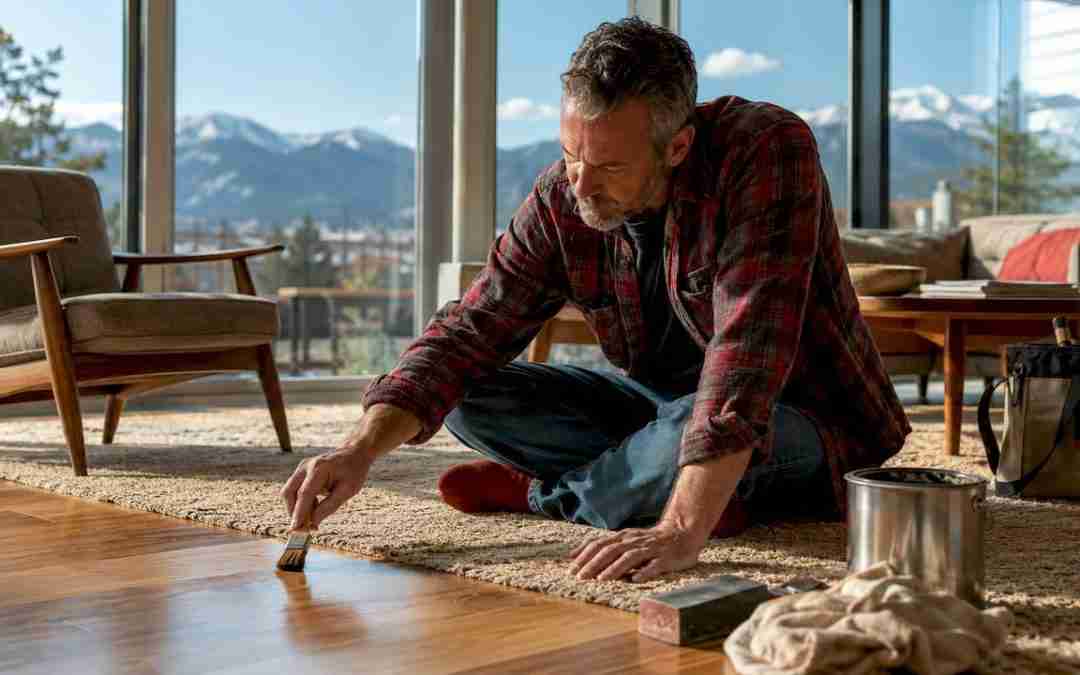
Wood floor restoration is the process of renewing hardwood flooring to its original beauty and durability through cleaning, sanding, and refinishing techniques adapted to the floor’s condition. For Denver homeowners, where dry altitude and seasonal humidity swings stress wood fibers year-round, choosing the right restoration method protects both your investment and your home’s character. Modern advances like dustless sanding and UV-cured finishes have made professional-grade results more accessible than ever. This guide walks you through every method, tool, and cost consideration you need to make a confident decision.
What are the main wood floor restoration methods?
Wood floor restoration splits into two primary techniques: screening (buff-and-recoat) and full sanding with refinishing. Knowing which one your floor needs saves you money and avoids unnecessary disruption.
Screening (buff-and-recoat) is a surface-level renewal. A buffer scuffs the existing finish lightly, then a fresh coat of polyurethane or hard wax oil is applied on top. Screening costs $1.50–$3.00 per sq ft and wraps up in a single day, making it the go-to fix for dull finishes and light surface wear. Most floors benefit from this treatment every three to five years. One-day wood floor refinishing is a deep clean and recoating process ideal for structurally sound floors with surface wear, not a substitute for sanding.
Full sanding and refinishing removes the entire finish layer and a thin layer of wood itself, exposing fresh grain. Full sanding costs $3.00–$8.00 per sq ft and takes three to five days, including drying time. It is the only effective solution for deep scratches, cupping, staining, or a complete color change. Most floors need this treatment every seven to fifteen years.
A third scenario exists that neither method can fix. Severe water damage or mold usually requires full floor replacement, since restoration cannot address structural compromise or active biological growth. Minor water spots on otherwise sound wood are treatable, but warped or buckled boards need to go.
| Method | Best for | Cost per sq ft | Duration | Frequency |
|---|---|---|---|---|
| Screening (buff-and-recoat) | Dull finish, light wear | $1.50–$3.00 | 1 day | Every 3–5 years |
| Full sanding and refinishing | Deep scratches, color change | $3.00–$8.00 | 3–5 days | Every 7–15 years |
| Replacement | Structural/water damage | Varies | 1–2 weeks | As needed |
What tools and materials do you need for hardwood floor refinishing?
Having the right equipment before you start prevents costly mistakes. Whether you are tackling this yourself or preparing for an informed conversation with a contractor, knowing what goes into a restoration job puts you in control.
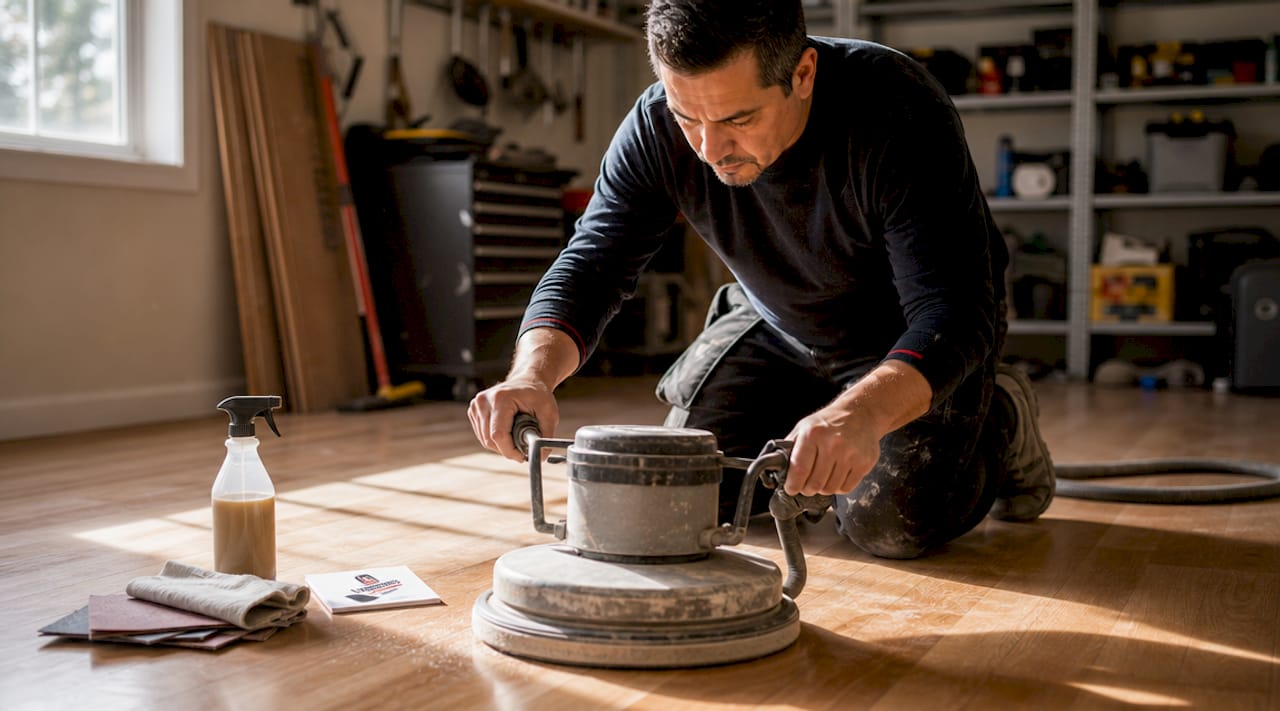
For sanding, you need a drum or orbital floor sander, an edge sander for perimeter work, and a selection of sandpaper in grits ranging from 36 or 40 (coarse) up to 100 or 120 (fine). Dustless sanding systems connect directly to industrial vacuums, controlling airborne dust and making the process far cleaner in occupied homes. For Denver families with allergy concerns or pets, this technology is not optional. It is the standard you should expect from any professional.
Cleaning supplies matter just as much as sanding gear. Use a wood-safe cleaner like Bona Hardwood Floor Cleaner or Pallmann Clean to strip wax, polish, and residue before any abrasion begins. Applying a new finish over contaminated wood causes adhesion failures within months.
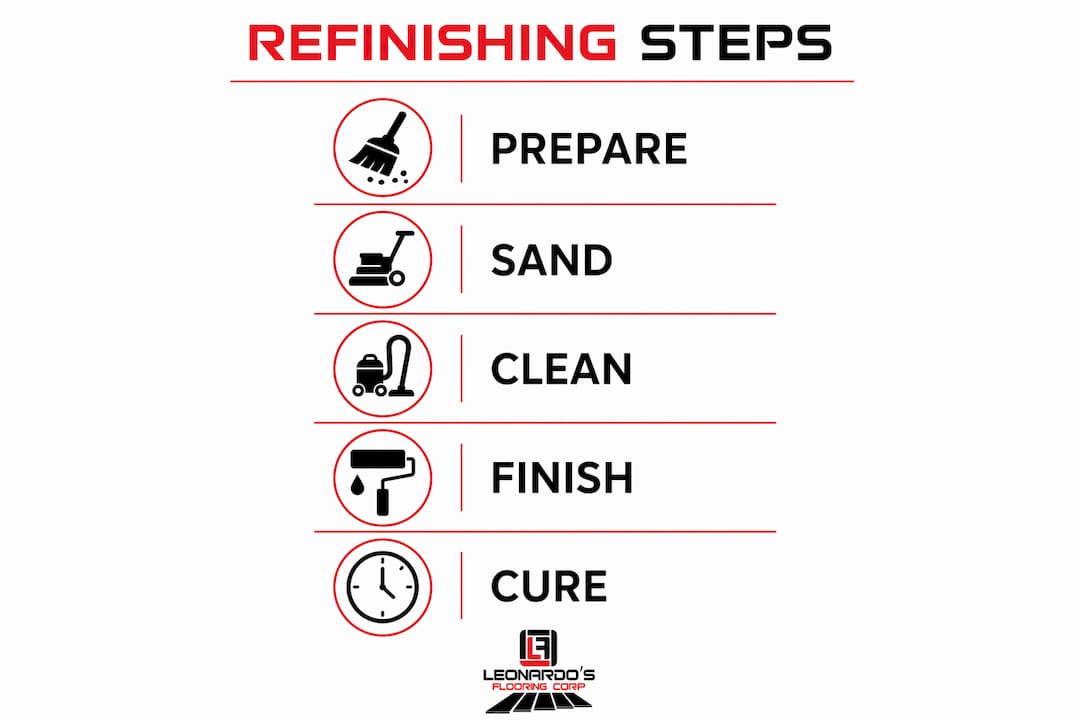
Finishing products include oil-based polyurethane, water-based polyurethane, hard wax oils like Rubio Monocoat, and UV-cured finishes. UV-cured finishes allow floors to be ready for use the same day, cutting homeowner disruption dramatically compared to traditional oil-based products that need 24 to 72 hours between coats.
| Tool or material | Purpose | Recommended type or brand |
|---|---|---|
| Drum or orbital floor sander | Remove old finish and surface layer | Clarke American Sanders, Bona |
| Edge sander | Sand perimeter and corners | Festool, Clarke |
| Sandpaper (multi-grit) | Progressive surface smoothing | 36, 60, 80, 100 grit sequence |
| Wood-safe cleaner | Pre-sand degreasing and prep | Bona, Pallmann Clean |
| Finish coat | Protect and seal restored wood | Bona Traffic HD, Rubio Monocoat |
| Respirator mask, gloves, goggles | Personal protection during sanding | 3M N95 or P100 respirator |
Pro Tip: In Denver’s low-humidity climate, choose a low-VOC, water-based finish like Bona Traffic HD. It cures more predictably in dry conditions and keeps indoor air quality safe during and after application.
How to restore your wood floors step by step
Preparation is the step most homeowners underestimate. Clear all furniture from the room, remove floor vents, and seal doorways with plastic sheeting to contain dust. Inspect every board for protruding nails and hammer them below the surface. Fill any cracks or gaps with a color-matched wood filler and let it cure fully before sanding begins.
Screening process (buff-and-recoat)
- Deep clean the floor with a wood-safe cleaner and let it dry completely.
- Attach a 120-grit screen pad to the buffer and work in the direction of the wood grain.
- Vacuum and tack-cloth the entire surface to remove all abrasion dust.
- Apply your chosen finish coat in thin, even passes using a T-bar applicator.
- Allow the first coat to dry per the manufacturer’s instructions, then lightly buff and apply a second coat.
- Keep foot traffic off the floor for at least 24 hours.
Full sanding and refinishing process
- Start with a coarse grit (36 or 40) on the drum sander to strip the old finish entirely. Correct grit progression from coarse to fine avoids swirl marks and delivers a professional result. Skipping grits leaves visible scratches that show through the final finish.
- Move to 60-grit, then 80-grit, then 100-grit, sanding the full floor at each stage.
- Use the edge sander along baseboards and in corners, matching the grit sequence.
- Vacuum thoroughly, then apply wood filler to any remaining cracks. Sand again lightly with 100-grit once filler is dry.
- Apply stain if a color change is desired. Work in small sections and wipe excess within the manufacturer’s open time.
- Apply the first sealer coat, let it cure, then lightly sand with 220-grit screen before the finish coats.
- Apply two to three finish coats, allowing proper dry time between each.
Pro Tip: Spot sanding and color blending can restore damaged areas without sanding the entire floor, saving significant time when damage is localized to one or two boards.
Common mistakes to avoid during this process include sanding against the grain, applying finish coats that are too thick, and skipping the tack-cloth step between coats. Each of these errors shows up clearly in the final result and is difficult to fix without starting over.
After refinishing, keep furniture off the floor for at least 24 hours for light use. A 30-day curing period is ideal before placing area rugs or heavy furniture, since the finish continues to harden well after it feels dry to the touch.
How to maintain and protect restored hardwood floors for longevity
Restored hardwood floors reward consistent, simple care. The right habits after refinishing extend the life of the finish by years and delay the need for the next full sanding cycle. For Denver-specific advice on ongoing care, the hardwood floor maintenance tips from Leonardosflooringcorp cover local climate factors in detail.
Key maintenance practices include:
- Sweep or vacuum daily in high-traffic areas using a soft-bristle attachment. Grit acts like sandpaper underfoot and degrades finish faster than almost anything else.
- Mop with a damp (not wet) mop using a pH-neutral wood floor cleaner like Bona or Method Squirt and Mop. Standing water is the enemy of hardwood in any climate.
- Use felt pads under all furniture legs. Replace them every six months, since worn pads scratch just as badly as bare metal.
- Control humidity between 35% and 55% year-round. Denver winters drop indoor humidity well below this range, causing boards to shrink and gap. A whole-home humidifier prevents this.
- Schedule a screening recoat every three to five years before the finish wears through to bare wood. Catching it early means you never need a full sand again.
- Avoid steam mops entirely. The heat and moisture force water into the wood grain and destroy finish adhesion over time.
Maintaining original hardwood preserves home character and resale value while providing warmth and durability that no synthetic flooring replicates. Buyers in the Denver market consistently respond to original hardwood as a premium feature.
What costs and timelines should you expect in Denver?
Budgeting for wood floor restoration in Denver requires accounting for floor size, damage extent, wood species, and finish type. Exotic species like Brazilian cherry or tigerwood are harder to sand and may cost more per square foot than standard red oak or maple.
| Service | Cost per sq ft | Typical duration | Return to normal use |
|---|---|---|---|
| Screening (buff-and-recoat) | $1.50–$3.00 | 1 day | 24 hours |
| Full sanding and refinishing | $3.00–$8.00 | 3–5 days | 7–30 days |
| Floor replacement | Varies by material | 1–2 weeks | 24–48 hours after install |
Weather and humidity directly affect curing times and finish performance. Local climate conditions must be monitored during and after application, since Denver’s dry air can cause water-based finishes to flash too quickly if the room is not properly conditioned. A professional contractor accounts for this automatically. A DIY approach often does not.
DIY wood floor sanding frequently fails due to precision issues, humidity miscalculation, and wood swelling. Renting a drum sander without experience often results in uneven floors that cost more to fix than a professional job would have cost upfront.
Pro Tip: When hiring a contractor in Denver, ask specifically whether they use dustless sanding equipment and what finish system they recommend for your floor species. These two questions separate experienced professionals from general handymen.
For projects that involve sequencing restoration with other renovations, always complete floor work before painting walls and after any plumbing or HVAC work is finished.
Key takeaways
Wood floor restoration delivers the best long-term results when the method matches the floor’s actual condition, not the homeowner’s budget preference.
| Point | Details |
|---|---|
| Match method to damage | Use screening for surface wear and full sanding for deep scratches or color changes. |
| Budget realistically | Screening runs $1.50–$3.00 per sq ft; full refinishing runs $3.00–$8.00 per sq ft. |
| Respect curing time | Wait 30 days before placing rugs or heavy furniture after a full refinish. |
| Control Denver humidity | Keep indoor humidity at 35–55% year-round to prevent gaps and finish failure. |
| Maintain regularly | Schedule a screening recoat every 3–5 years to avoid costly full sanding cycles. |
Why I always tell Denver homeowners to assess before they spend
After years of watching homeowners either over-invest or under-invest in their floors, the pattern is clear. Most people call for a full refinish when a screening recoat would have done the job. A smaller group waits so long that what could have been a $400 recoat becomes a $3,000 sanding project.
The technology available today changes the calculus significantly. Dustless sanding systems and UV-cured finishes mean a professional can restore a floor in an occupied home with minimal disruption. That was not true ten years ago. If you have been putting off restoration because you dreaded the mess and the week of displaced furniture, those objections are largely gone with the right contractor.
Denver’s altitude and dry winters add a layer of complexity that general guides ignore. Finishes cure differently here. Wood moves more dramatically between seasons. A contractor who has worked in Denver for years knows this instinctively. One who does not will leave you with a finish that peels by spring.
My honest advice: get a floor assessment before you commit to any method. Walk the floor, identify where the finish is gone versus where it is just dull, and check for any soft spots that signal moisture damage below. The floor refinishing overview from Leonardosflooringcorp is a solid starting point if you want to understand your options before making any calls.
Preserving original hardwood is almost always worth it. The character of 50-year-old oak floors cannot be replicated by any product on the market today. Protect what you have.
— Jim
Let Leonardosflooringcorp restore your Denver floors right
If your floors are ready for professional attention, Leonardosflooringcorp has been handling hardwood restoration across the Denver metro for over 10 years as trusted Home Depot Contractors.

The team at Leonardosflooringcorp uses dustless sanding systems, UV-cured finishes, and proven wood floor repair techniques tailored to Denver’s climate. Every project is scoped to your floor’s actual condition, not a one-size-fits-all package. With 125+ five-star reviews and deep local expertise, you get results that last. Contact Leonardosflooringcorp through their Denver hardwood floor services page to schedule a consultation and get a clear, honest assessment of what your floors actually need.
FAQ
What is the difference between screening and full sanding?
Screening (buff-and-recoat) lightly abrades the existing finish and adds a new topcoat, costing $1.50–$3.00 per sq ft and taking one day. Full sanding removes the entire finish and a thin wood layer, costs $3.00–$8.00 per sq ft, and takes three to five days.
How long does wood floor restoration take in Denver?
Screening wraps up in one day with light use possible after 24 hours. Full sanding and refinishing takes three to five days, with a recommended 30-day curing period before placing rugs or heavy furniture.
Can I restore wood floors myself?
DIY sanding frequently fails due to humidity miscalculation and equipment inexperience, often creating uneven surfaces that cost more to correct than a professional job. For screening, a confident DIYer with the right buffer can achieve decent results on small areas.
When should I replace instead of restore my hardwood floors?
Severe water damage, active mold, or structural warping means restoration is not viable. Minor water spots on otherwise sound wood can be treated, but buckled or compromised boards require replacement.
How do I protect restored hardwood floors in Denver’s dry climate?
Maintain indoor humidity between 35% and 55% year-round using a whole-home humidifier during winter months. Use felt pads under furniture, clean with a pH-neutral wood floor cleaner, and schedule a screening recoat every three to five years.