
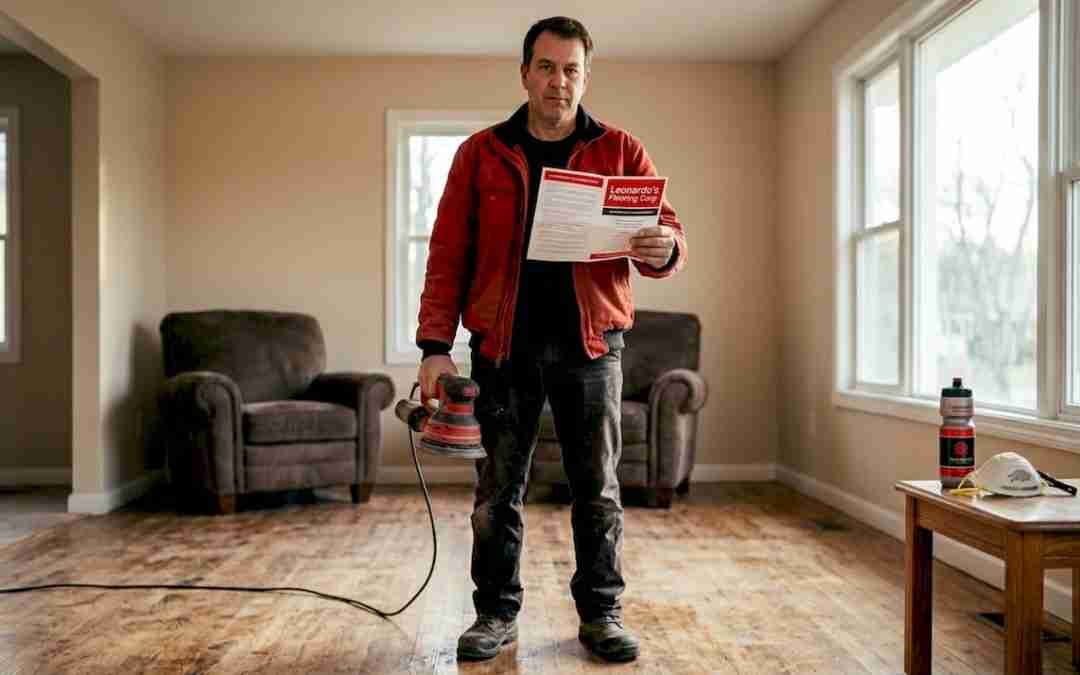
Hardwood floors take a beating over the years. Scratches, dullness, worn patches, and faded stain can make even a well-built floor look tired. When that happens, most homeowners face a fork in the road: repair, replace, or refinish. What is floor refinishing, exactly? It’s the process of sanding a wood floor down to bare wood and applying fresh stain and protective finish, essentially giving the floor a new surface without tearing it out. This guide covers the full floor refinishing process, what it costs, when it makes sense, and what separates a great result from a mediocre one.
Table of Contents
- Key takeaways
- What is floor refinishing
- The floor refinishing process, step by step
- Cost of floor refinishing: what to expect
- Benefits and limitations of floor refinishing
- My honest take on floor refinishing
- Get your Denver floors looking new again
- FAQ
Key takeaways
| Point | Details |
|---|---|
| Refinishing goes deep | Unlike recoating, floor refinishing removes the old finish entirely by sanding to bare wood. |
| Cost is predictable | Most projects run $3 to $8 per square foot, making it far cheaper than full replacement. |
| ROI is strong | Refinished floors recoup 100% or more of their cost at resale according to real estate agents. |
| Not every floor qualifies | Engineered hardwood with a wear layer under 2mm and severely damaged floors may not be good candidates. |
| Professionals deliver better results | Dustless sanding, proper humidity control, and wet-edge finishing technique require experience and specialized equipment. |
What is floor refinishing
Floor refinishing is the process of mechanically sanding a hardwood floor down to bare wood, removing all scratches, stains, and existing finish, then applying new stain and multiple coats of a protective topcoat. The result is a floor that looks brand new without the cost or disruption of full replacement.
People frequently confuse refinishing with two related but different services: recoating and replacement. Understanding the differences helps you choose the right approach.
Recoating (also called screen and recoat) involves lightly abrading the existing finish with a buffer and applying a fresh coat on top. It refreshes a dull surface but cannot fix deep damage like scratches that cut through the finish layer. The whole process takes one to two days. Refinishing, by contrast, takes three to seven days because it involves full sanding and multiple finish coats.
Replacement removes the existing floor entirely and installs new material. It costs significantly more and makes sense only when the wood is structurally compromised, water-damaged beyond recovery, or when you want a completely different floor species or width.
Here’s a side-by-side comparison to make the decision easier:
| Service | What it does | Best for | Avg. cost per sq ft | Time |
|---|---|---|---|---|
| Recoating | Light abrasion, new topcoat | Minor dullness, light wear | $1.50 to $3.00 | 1 to 2 days |
| Refinishing | Full sand to bare wood, new stain + finish | Deep scratches, worn finish, color change | $3.00 to $8.00 | 3 to 7 days |
| Replacement | Remove and install new floor | Structural damage, rot, total overhaul | $8.00 to $22.00 | 1 to 2 weeks |
Refinishing is the right call when your floors have:
- Deep scratches or gouges that go through the finish
- Uneven stain color or blotchy appearance
- A finish that’s peeling or flaking
- Gray or black discoloration from surface oxidation
- A color you want to change entirely
One important caveat worth knowing: engineered hardwood with wear layers under 2mm is risky to refinish because aggressive sanding can cut through to the core. Always check the manufacturer’s specifications before proceeding.
The floor refinishing process, step by step
Knowing how to refinish floors helps you prepare properly and set realistic expectations. Here’s what happens from start to finish.
-
Preparation. Furniture comes out of the room. Baseboards may be removed or carefully protected. A flooring professional will inspect the subfloor for soft spots, squeaks, or nail pops and fix them before sanding begins. Skipping this step leads to problems that show up after the finish is applied.
-
Coarse sanding. A drum sander or belt sander starts with a coarse grit (typically 36 to 60 grit) to strip the old finish and level the surface. This is the most aggressive phase. Edges and corners get hand-sanded or worked with an edger because the large machine cannot reach them.
-
Progressive sanding. The crew moves through finer grits, usually up to 100 or 120 grit, to smooth out the scratches left by the coarse passes. Each pass gets progressively smoother until the wood feels like new.
-
Dust control. Professional dustless sanding systems use commercial vacuums attached directly to the sander. This is particularly valuable if anyone in the home has allergies, and it also means significantly less airborne dust cleanup after the job.
-
Staining (optional). If you want to change the color of your floor, stain is applied after sanding. This is a big decision. Test stain samples on your actual floor before committing, because the same stain looks different on oak versus pine versus maple.
-
Finish application. Multiple coats of protective finish go on, with light sanding between coats. Choosing between water-based and oil-based polyurethane matters here. Water-based dries faster, stays clearer, and has lower odor. Oil-based takes longer to dry but produces a warmer amber tone and is often considered more durable in high-traffic areas.
-
Curing. The floor can handle foot traffic within 24 to 48 hours, but full curing takes 7 to 30 days. During that window, avoid dragging furniture, placing rugs with rubber backing, or using harsh cleaners.
Pro Tip: The “wet edge” technique during finish application means you always work back into a section that hasn’t dried yet. Maintaining a continuous wet edge prevents lap marks and keeps the sheen perfectly consistent across the entire floor.
Pro Tip: Keep indoor humidity between 35% and 55% during and after refinishing. Humidity that’s too low or too high causes wood to expand and contract, which can prevent gaps and cupping that ruin a fresh finish.
Cost of floor refinishing: what to expect
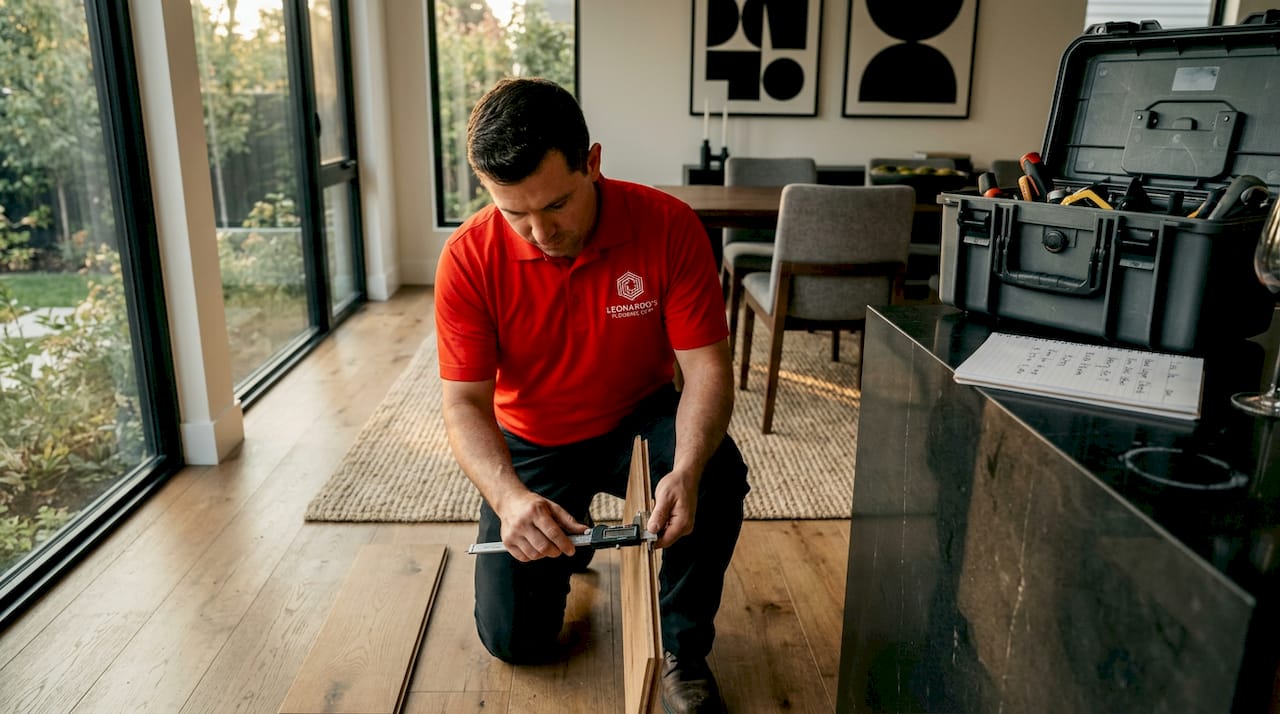
The cost of floor refinishing breaks down predictably once you understand what drives the price. Professional hardwood floor refinishing runs $3 to $8 per square foot, with labor making up 60 to 70% of the total. A standard 500-square-foot room typically costs $1,500 to $4,000.
Here’s a summary of what different service levels typically cost:
| Service level | Cost per sq ft | 500 sq ft total |
|---|---|---|
| Screen and recoat | $1.50 to $3.00 | $750 to $1,500 |
| Basic refinish (no stain change) | $3.00 to $5.00 | $1,500 to $2,500 |
| Full refinish with stain change | $5.00 to $8.00 | $2,500 to $4,000 |
| Full replacement (hardwood) | $8.00 to $22.00 | $4,000 to $11,000 |
Several factors push the cost up or down:
- Floor condition. Heavy damage or old paint requires extra sanding passes and time.
- Stain change. Adding or changing stain adds labor and material cost.
- Finish type. Oil-based finishes often cost more due to longer application and dry times.
- Room size and layout. Stairs, closets, and irregular shapes take more time per square foot than open living areas.
- Accessibility. Moving heavy furniture or working around fixed cabinetry adds labor.
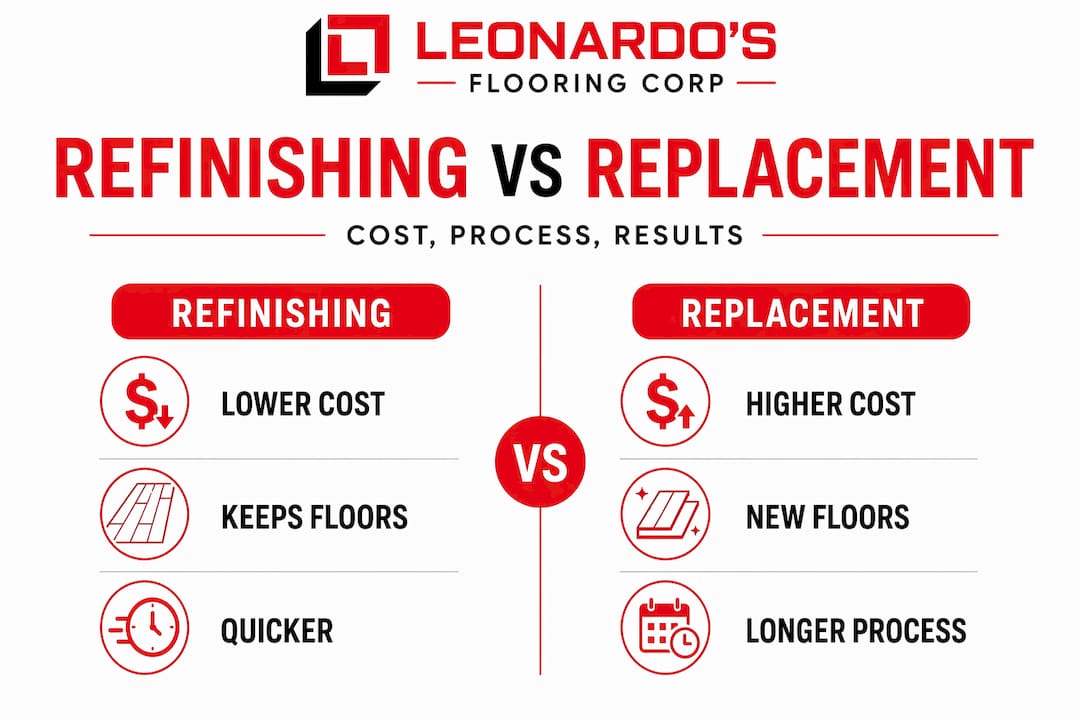
When you compare refinishing versus full replacement, the math is straightforward. Refinishing a 1,000-square-foot space at $6 per square foot costs $6,000. Replacing that same floor with new hardwood could run $15,000 to $20,000. For structurally sound floors, refinishing wins on value almost every time.
Benefits and limitations of floor refinishing
Why refinishing is worth it
The benefits of floor refinishing go well beyond aesthetics. Here’s what makes it a strong choice for most homeowners and commercial property owners:
- Cost savings. You spend a fraction of replacement cost while achieving a result that looks just as fresh.
- Extended floor life. Most hardwood floors can be refinished 4 to 7 times over their lifespan, meaning a well-maintained floor can last 80 to 100 years.
- Restored protection. Refinishing re-establishes the floor’s protective sacrificial finish layer, which is what actually guards the wood against moisture, dirt, and wear. That protection matters more than the visual change.
- Strong resale ROI. Refinished floors are consistently cited as a top home improvement for return on investment, with many real estate professionals noting that they recoup their full cost at resale.
- Aesthetic control. You can update the stain color, sheen level, or finish type to match a renovation or new design direction.
For tips on maintaining your floors after refinishing, the Denver hardwood floor maintenance guide from Leonardo’s Flooring Corp covers humidity control, cleaning routines, and how to protect a fresh finish.
When refinishing is not the right call
Refinishing has real limitations. Floors with deep water damage, rot, or structural failure need replacement, not refinishing. Floors that have already been sanded multiple times may have too little wood left above the tongue-and-groove joint to sand again safely. And as noted earlier, thin-veneer engineered floors may not be candidates at all.
Pro Tip: Before booking a refinish, use a penny to scratch an inconspicuous corner of your floor. If the coin hits bare wood after light pressure, the finish is gone and sanding won’t remove much more material. That’s a sign your floor may be near its refinishing limit.
My honest take on floor refinishing
I’ve been in the flooring industry for over a decade, and the most consistent mistake I see is homeowners attempting to refinish floors themselves after watching a few videos online. The equipment looks manageable. The process seems logical. But sanding is unforgiving. An unsecured drum sander sitting in one spot for even two seconds while running will cut a visible divot into your floor. That divot doesn’t sand out. It becomes the reason you’re calling a professional to fix the DIY job.
The second thing I see constantly is people choosing DIY to save money and then spending nearly the same amount once you factor in equipment rental, sandpaper purchases, finish materials, and a second attempt at fixing mistakes. Professional crews bring dustless systems, calibrated equipment, and years of feel for how a specific wood species responds to sanding.
What I genuinely believe is that floor refinishing is one of the best investments you can make in an older home. I’ve walked into spaces where the floors looked like they needed to be torn out, and after refinishing they were the best-looking feature in the house. The transformation is real. But the quality of that transformation depends almost entirely on who does the work and how much attention they pay to prep, sanding progression, and finish application.
One care tip that most people overlook: keep furniture pads under every leg, always. The finish you apply is not invincible. Felt pads on chair legs extend the life of a refinished floor by years, not months. That’s not a minor detail. It’s the single most cost-effective thing you can do after spending good money on a refinish.
— Jim
Get your Denver floors looking new again
If your hardwood floors are showing their age, Leonardo’s Flooring Corp is ready to help you figure out the best path forward. Whether that’s a full refinish, a screen and recoat, or a complete new floor installation, the team brings over 10 years of Denver-area flooring experience to every project.

Leonardo’s Flooring Corp handles every stage of the process, from subfloor inspection and dustless sanding to stain selection and finish application, for both residential and commercial properties across the Denver metro. As Home Depot Contractors with 125+ five-star reviews, the team is built on honest assessments and quality work. If you’re ready to explore your options, visit the hardwood floor installation page to request a quote or learn more about what a professional refinish includes. No pressure, just straight answers and a plan that fits your space and budget.
FAQ
What is floor refinishing exactly?
Floor refinishing is the process of sanding a hardwood floor down to bare wood, removing the old finish and surface damage, then applying new stain and multiple coats of protective finish. It restores both the appearance and the protective surface of the floor.
How long does the floor refinishing process take?
A professional floor refinishing project typically takes 3 to 7 days from start to finish, including sanding, staining, and applying finish coats. Full curing of the finish can take up to 30 days, during which you should avoid heavy furniture placement and rubber-backed rugs.
How much does floor refinishing cost per square foot?
The cost of floor refinishing ranges from $3 to $8 per square foot for a full refinish, with labor making up about 60 to 70% of the total. A screen and recoat service is cheaper, running $1.50 to $3.00 per square foot.
Is floor refinishing worth it compared to replacement?
Yes, for structurally sound floors refinishing is almost always worth it. It costs a fraction of full replacement and, according to real estate professionals, refinished hardwood floors typically recoup 100% or more of their cost at resale.
How many times can you refinish a hardwood floor?
Most solid hardwood floors can be refinished 4 to 7 times over their lifespan, depending on the thickness of the wood above the tongue-and-groove. Engineered hardwood with a wear layer under 2mm may only tolerate one light sanding or none at all.