
Tile flooring is the most durable flooring choice for high traffic areas, outlasting carpet, laminate, and luxury vinyl tile in both wear resistance and long-term cost. The industry term for evaluating tile suitability is the Porcelain Enamel Institute (PEI) rating system, which measures surface abrasion resistance on a scale from 1 to 5. Industry standards recommend PEI 4 for moderate to heavy traffic and PEI 5 for the highest-footfall commercial environments. Whether you manage a retail store in Denver or want a floor that survives a busy household, understanding why tile for high traffic areas works starts with its material properties, not its looks.
Why tile works for high traffic areas
Tile performs under heavy use because of its material density, not just its surface finish. Porcelain tile, the gold standard for busy floors, is fired at higher temperatures than ceramic, producing a denser, harder product that resists scratching, denting, and staining far better than softer flooring types.
The numbers back this up. Porcelain tile absorbs 0.5% water or less, which means moisture from spills, wet shoes, or cleaning does not penetrate the tile body. That low absorption rate directly prevents the swelling, warping, and mold growth that plague carpet and wood floors in the same conditions.
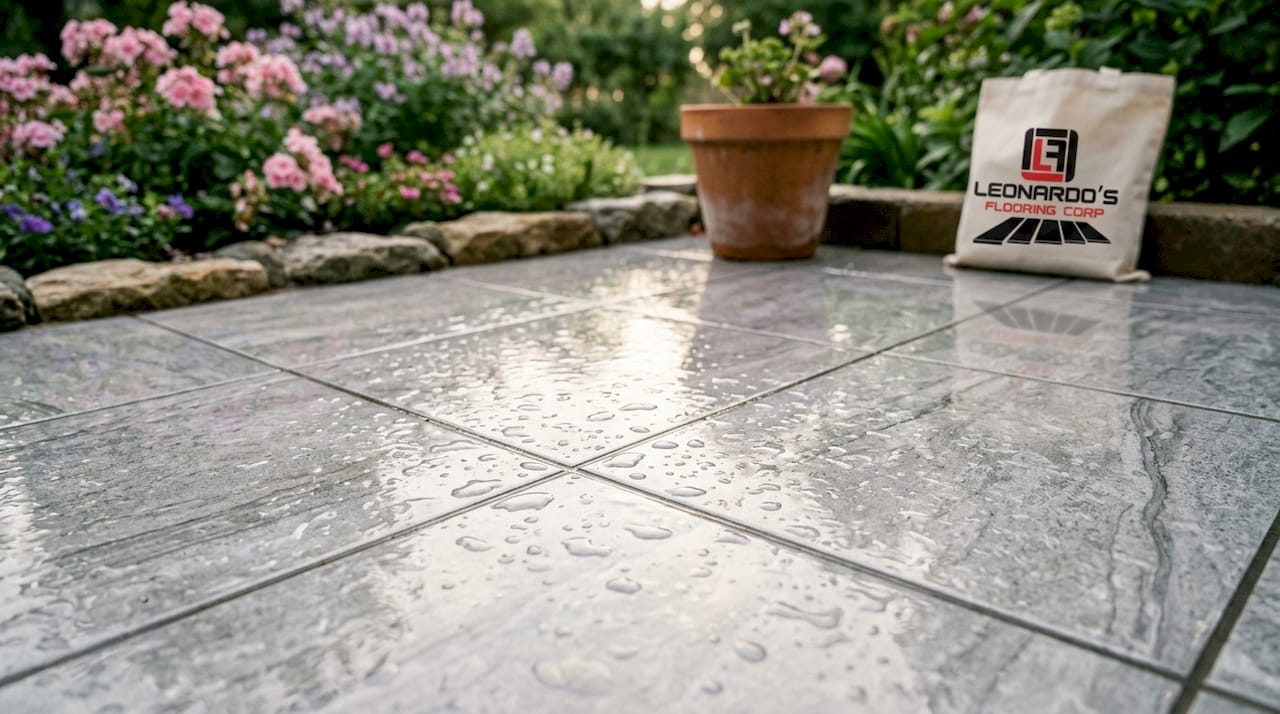
Safety is another concrete advantage. Tile floors with a Dynamic Coefficient of Friction (DCOF) of 0.60 or higher meet the recommended threshold for wet and busy areas. DCOF measures how much a shoe sole grips the tile surface while moving, making it the most relevant safety metric for commercial and residential floors alike.
Key characteristics that make tile the best flooring for high traffic:
- PEI rating of 4 or 5 for areas with heavy foot traffic or abrasive grit
- DCOF of 0.60 or higher for slip resistance in wet or busy zones
- Water absorption rate of 0.5% or less for porcelain tile
- Through-body color in full-body porcelain, so chips and scratches do not reveal a contrasting core
- Stain resistance from the dense, non-porous surface that repels liquids before they set
Pro Tip: Ask your tile supplier for the PEI rating and DCOF value before purchasing. These numbers are not always printed on the box, but any reputable supplier can provide them on request.
How do porcelain and ceramic tiles compare for heavy-traffic floors?
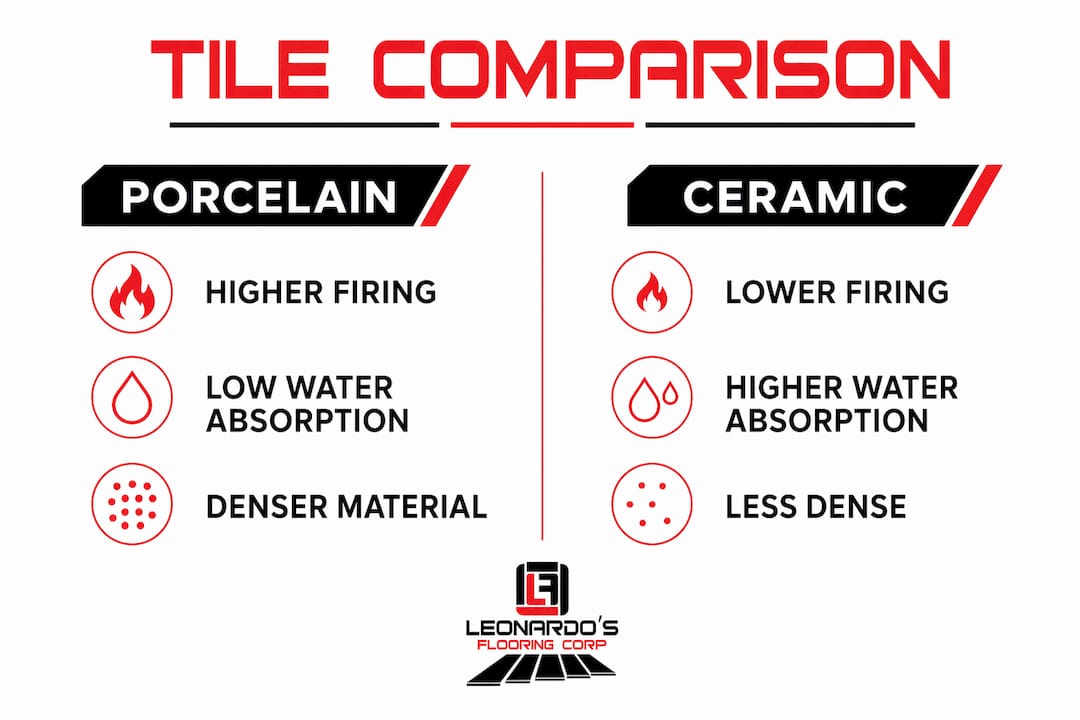
Porcelain and ceramic are both clay-based tiles, but they are not interchangeable in demanding environments. The critical difference is firing temperature. Porcelain is fired at higher heat, which drives out more moisture and produces a denser, less porous body. That density is what gives porcelain its edge in abrasion resistance and moisture management.
Porcelain is denser and more abrasion-resistant than ceramic, and ceramic typically lasts 5–7 years less in heavy commercial traffic environments. That gap matters when you are calculating the true cost of a floor over a decade.
| Feature | Porcelain tile | Ceramic tile |
|---|---|---|
| Firing temperature | Higher | Lower |
| Water absorption | 0.5% or less | Up to 3% or more |
| Abrasion resistance | High (PEI 4–5 common) | Moderate (PEI 1–3 typical) |
| Lifespan in heavy traffic | 20+ years | 13–15 years typical |
| Cost | Higher upfront | Lower upfront |
| Installation difficulty | Harder to cut and set | Easier to work with |
| Best application | Commercial floors, entryways, kitchens | Walls, low-traffic rooms |
Ceramic tile is not a bad product. It works well on walls, bathroom surrounds, and rooms with light foot traffic. The problem is that its higher water absorption and lower density make it a poor match for lobbies, hallways, or retail floors where grit, moisture, and constant foot pressure are daily realities.
One detail that often gets overlooked is through-body color in full-body porcelain. When a tile has the same color running through its entire thickness, a chip or scratch does not expose a white or contrasting core. The floor keeps looking good far longer, which extends its aesthetic lifespan in heavy-use areas.
What installation factors determine tile durability in high-traffic zones?
The tile itself is only half the equation. Commercial tile durability depends on material density, precise installation, substrate preparation, and load-bearing capacity, not just surface hardness. A premium porcelain tile set over a weak or uneven substrate will crack, hollow out, and fail within years, regardless of its PEI rating.
Here is what proper installation covers for high-traffic tile floors:
- Substrate preparation. The subfloor must be flat, structurally sound, and free of moisture before any tile goes down. Deflection in the subfloor transfers directly to the tile and grout joints, causing cracks over time.
- Moisture management. In areas exposed to water, a waterproofing membrane goes between the substrate and the tile. Skipping this step is the most common cause of tile failure in bathrooms, commercial kitchens, and entryways.
- Adhesive selection. Large-format porcelain tiles require a polymer-modified thinset mortar with full back-buttering coverage. Spot-bonding with standard thinset leaves voids that crack under load.
- Grout and joint selection. Epoxy grout resists staining and chemical attack far better than standard cement grout in commercial settings. Grout joint width must match the tile’s rectification tolerance to prevent lippage.
- Expansion joints. Tile expands and contracts with temperature changes. Without properly placed expansion joints at perimeters and field breaks, the floor buckles or grout cracks within a few heating and cooling cycles.
Maintenance choices after installation matter just as much. Acidic cleaning chemicals erode grout and adhesive bonds, leading to tile failure even in otherwise solid installations. Use pH-neutral cleaners on tile floors, and reseal grout annually in high-traffic zones to keep moisture and grit from working into the joints.
Pro Tip: Before any tile installation, check the subfloor for deflection using a 10-foot straightedge. The industry standard for tile substrates is no more than 3/16 inch of variation over 10 feet. Anything beyond that needs correction before tile goes down.
Leonardosflooringcorp handles subfloor preparation as a dedicated service because skipping it is the single most common reason tile floors fail prematurely in Denver homes and businesses.
What are the long-term benefits and cost savings of choosing tile for busy floors?
Tile’s upfront cost is higher than carpet or luxury vinyl tile, but the lifecycle math strongly favors tile. Porcelain tile can reduce flooring lifecycle costs by 30–40% compared to LVT or carpet, when you account for reduced maintenance, repair, and replacement frequency. That is a significant saving over a 20-year building life.
Porcelain tile floors in heavy-use commercial spaces can last 20 years or more with proper installation and maintenance. Carpet in the same environment typically needs full replacement every 5–7 years, and LVT shows wear in high-pivot zones like checkout counters and reception desks within a similar timeframe.
Beyond cost, tile delivers practical advantages that other flooring types cannot match:
- Hygiene. The non-porous surface does not harbor bacteria, allergens, or odors the way carpet does. This matters in healthcare settings, restaurants, and homes with pets or young children.
- Aesthetic longevity. Tile does not fade under UV light, and its color and pattern stay consistent for decades. Carpet and LVT both show fading and pattern wear within years of installation.
- Design flexibility. Large-format porcelain tiles, mosaic patterns, and wood-look planks give you design range without sacrificing durability. You can find tile floor design ideas that work for both residential and commercial spaces.
- Resale value. Tile floors in kitchens, bathrooms, and entryways consistently add perceived value to residential properties.
The combination of longevity, low maintenance, and hygiene makes tile the most cost-effective resilient flooring solution for spaces that cannot afford downtime or frequent renovation.
How to select the right tile for your specific high-traffic application
Choosing the right tile starts with an honest assessment of how the space actually gets used. A family entryway and a restaurant kitchen both qualify as high-traffic, but they have different demands for slip resistance, moisture exposure, and cleaning frequency.
Work through these factors before making a selection:
- Foot traffic level. Light residential traffic suits PEI 3. Heavy residential or light commercial needs PEI 4. High-footfall commercial spaces require PEI 5.
- Moisture exposure. Wet areas need a tile with 0.5% or lower water absorption and a DCOF of 0.60 or higher. Dry commercial floors have more flexibility on slip resistance.
- Cleaning regime. If the floor gets mopped daily with commercial cleaners, choose epoxy grout and a tile with a matte or textured finish that hides cleaning residue.
- Grit and abrasion. Entryways and lobbies collect sand and grit tracked in from outside. Full-body porcelain with through-body color handles this without showing wear lines.
- Aesthetic goals. Large-format tiles (24×24 inches or larger) create a clean, open look in commercial spaces. Smaller mosaic formats add grip in wet areas like shower floors.
Consulting a flooring specialist before purchasing saves money. The wrong tile in the wrong application is not just an aesthetic problem. It is a safety and cost problem that shows up within the first year of use. Leonardosflooringcorp’s tile installation guide for Denver homeowners covers how to match tile specs to real-world conditions in Colorado’s climate.
Key Takeaways
Tile is the most cost-effective and durable flooring choice for high-traffic areas when selected by PEI rating, installed on a properly prepared substrate, and maintained with pH-neutral cleaners.
| Point | Details |
|---|---|
| Use PEI rating to choose tile | Select PEI 4 for heavy residential use and PEI 5 for commercial high-footfall spaces. |
| Porcelain outperforms ceramic | Porcelain lasts 5–7 years longer than ceramic in heavy commercial traffic environments. |
| Substrate prep is non-negotiable | Tile set over a weak or uneven subfloor will crack and fail regardless of tile quality. |
| Lifecycle cost favors tile | Porcelain tile reduces flooring lifecycle costs by 30–40% compared to carpet or LVT. |
| Maintenance method matters | Acidic cleaners erode grout bonds; use pH-neutral products and reseal grout annually. |
What 10 years of tile installations taught me about busy floors
Most people focus on the tile itself and completely ignore the two factors that actually determine whether a floor holds up: substrate condition and grout selection. I have seen beautiful, expensive porcelain tile installed over a bouncy subfloor, and within 18 months the grout is cracking and tiles are hollow-sounding underfoot. The tile did not fail. The installation did.
The other thing I see constantly is owners choosing the glossiest, most visually striking tile for a high-traffic entry or lobby. Glossy tiles look great in a showroom. On a busy floor, they show every footprint, every scuff, and every cleaning streak within the first week. A matte or lightly textured finish in a mid-tone color will look better on day 1,000 than a polished tile looks on day 30.
My honest recommendation: spend less on the tile itself if it means you can afford proper substrate preparation and epoxy grout. A mid-grade full-body porcelain set correctly will outlast a premium glossy tile set poorly, every single time. The floor you see is only as good as what is underneath it.
— Jim
Leonardosflooringcorp: professional tile installation in Denver
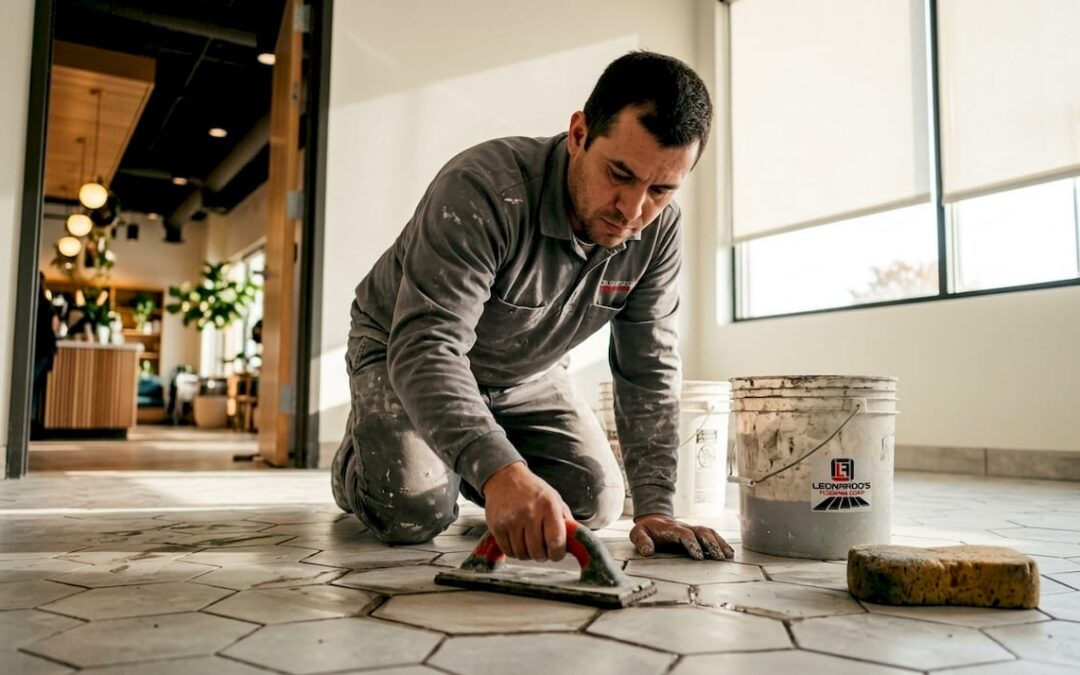
Tile delivers on its promise only when it is installed correctly. Leonardosflooringcorp has spent over 10 years installing tile floors across Denver’s residential and commercial properties, handling everything from subfloor leveling to final grout sealing.
Every tile project starts with a thorough substrate assessment, because that is where most floors fail before they even begin. The team at Leonardosflooringcorp uses polymer-modified thinset, epoxy grout where conditions demand it, and proper expansion joint placement on every job. If you are ready to put a floor down that will still look sharp in 20 years, professional tile installation from a team that has done it hundreds of times is the right call. Get in touch with Leonardosflooringcorp to schedule a consultation for your Denver home or business.
FAQ
What PEI rating do I need for a high-traffic floor?
PEI 4 covers moderate to heavy residential and light commercial traffic. PEI 5 is required for the highest-footfall commercial environments like retail stores, airports, and restaurant dining areas.
Is porcelain tile worth the higher cost for busy areas?
Porcelain tile reduces flooring lifecycle costs by 30–40% compared to carpet or LVT, and it can last 20 years or more in heavy-use commercial spaces with proper installation and maintenance.
What DCOF value makes a tile safe for wet or busy floors?
A DCOF of 0.60 or higher is the recommended minimum for tile floors in wet or high-traffic conditions. This value measures slip resistance while a person is in motion, making it the most relevant safety metric for busy floors.
Can I use ceramic tile in a high-traffic commercial space?
Ceramic tile is not recommended for heavy commercial traffic. It absorbs more moisture than porcelain and typically lasts 5–7 years less in demanding environments, making it a poor long-term investment for busy commercial floors.
How often should I reseal grout on a high-traffic tile floor?
Grout in high-traffic areas should be resealed once a year. Regular resealing prevents moisture and grit from penetrating the joints, which is the primary cause of grout deterioration and eventual tile loosening.