
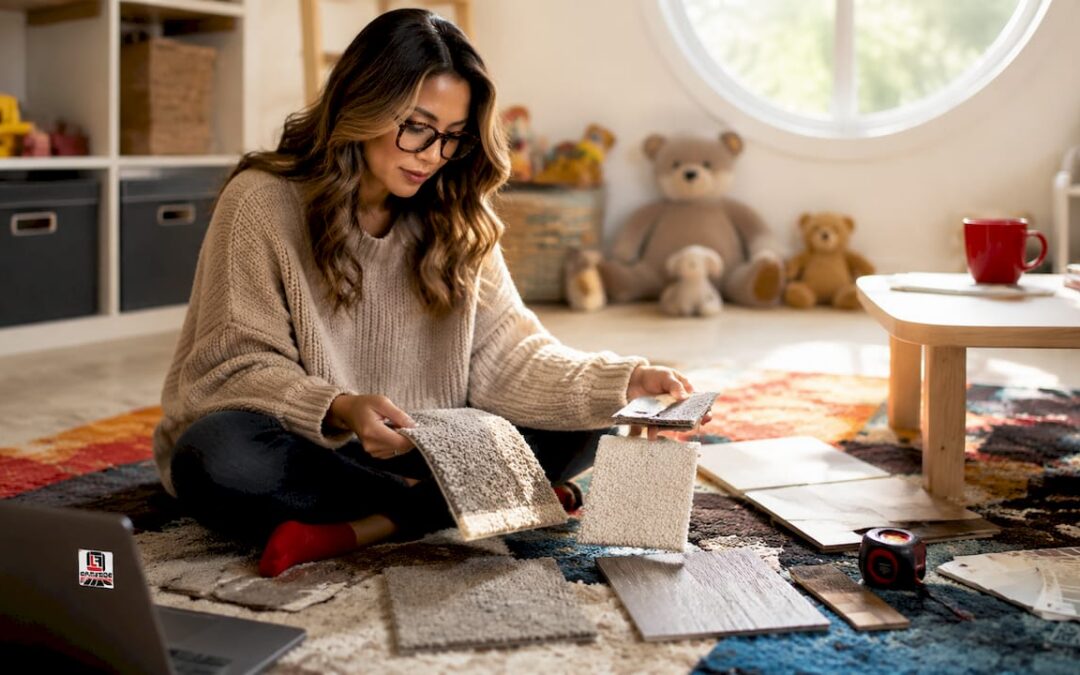
Family-friendly flooring solutions are flooring options designed for homes with children and pets, built around three non-negotiable criteria: safety, durability, and easy cleaning. The industry term for this category is “residential performance flooring,” though most parents simply call it practical. Luxury vinyl plank (LVP), porcelain tile, carpet, cork, and rubber each serve different rooms and different families. Certifications like CPSIA and Greenguard Gold set the safety floor for any product you bring into a home with kids. This guide cuts through the noise and tells you exactly what works, what falls short, and how to build a flooring plan that holds up to real family life.
1. Why LVP leads all family-friendly flooring solutions
Luxury vinyl plank is 100% waterproof, highly scratch resistant, and more affordable than hardwood or porcelain tile. Those three qualities together make it the most recommended flooring type for homes with children and pets. No other single material checks all three boxes at the same price point.
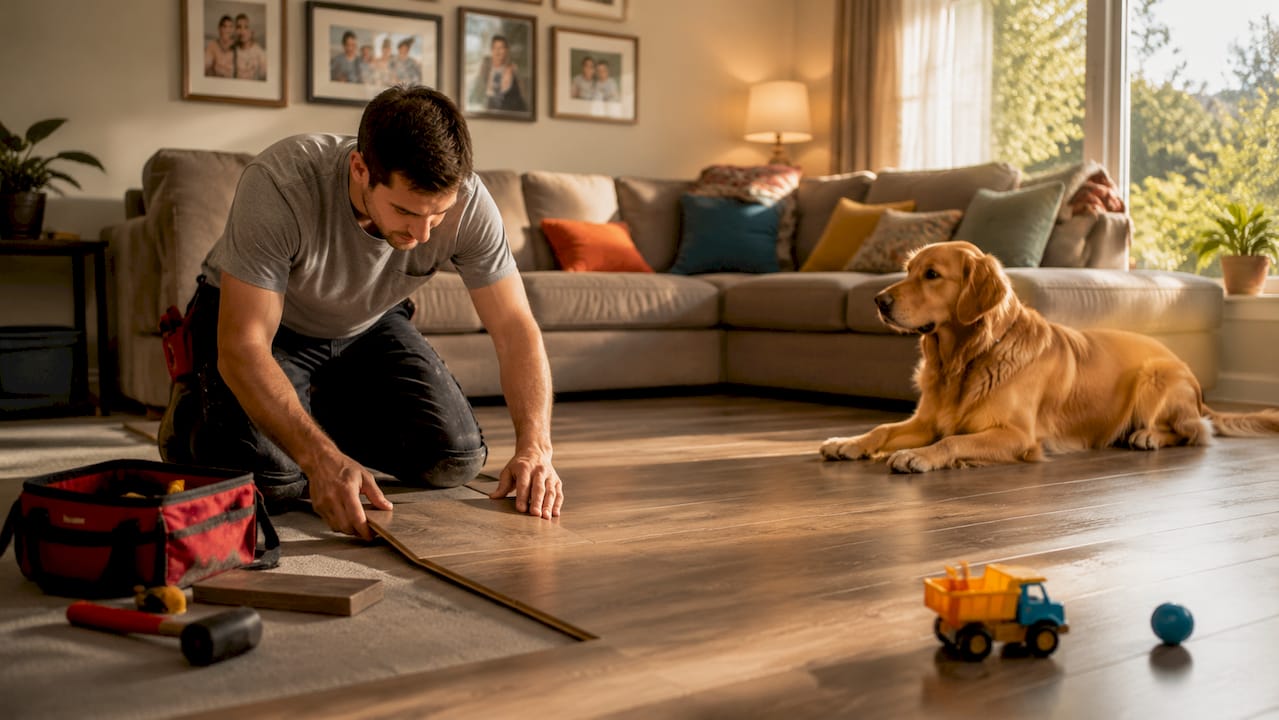
The key spec most parents miss is wear layer thickness. A 20-mil wear layer is the industry standard for durability in homes with pets and children, preventing visible scratching and surface wear over years of use. Products with a 12-mil layer work for lower-traffic rooms, but anything thinner will show damage within a few years of active family use.
LVP also comes in stone-look and wood-look finishes that are nearly indistinguishable from the real thing. Spills wipe up with a damp mop. There are no grout lines to scrub and no finish to reseal annually.
Key advantages of LVP for families:
- 100% waterproof at every layer, not just the surface
- Scratch resistance rated for pet claws and toy traffic
- Affordability well below solid hardwood and comparable tile
- Style variety in wood, stone, and concrete looks
- Easy repair since individual planks replace without pulling up the whole floor
Pro Tip: Choose SPC-core LVP (stone plastic composite) with a 20-mil wear layer. SPC is denser and more rigid than WPC-core, which means it resists denting from dropped toys and furniture legs far better.
2. Porcelain tile: ultra-durable but with real tradeoffs
Porcelain tile has zero wear, scratch, or staining issues and is fully waterproof, making it the most durable hard surface available. Kitchens, bathrooms, mudrooms, and laundry rooms are its natural home. For sheer longevity, nothing beats it.
The tradeoff is comfort. Porcelain is hard and cold underfoot, which matters when toddlers spend hours on the floor. A fall on tile hurts more than a fall on vinyl or carpet. Heavy objects dropped from counter height can crack individual tiles, which then require careful matching and professional repair.
For families, the best use of porcelain tile is in wet zones and high-traffic entries where waterproofing is the top priority. Pair it with area rugs in seating zones to add cushion without sacrificing the surface’s durability. Leonardosflooringcorp installs porcelain tile in Denver homes with proper subfloor preparation, which is the step most DIY installs skip and the main reason tiles crack prematurely.
Pro Tip: Choose a matte or textured finish over polished tile in family spaces. Polished porcelain becomes slippery when wet, which is a real hazard with kids running from the bathroom.
3. Hardwood flooring: beautiful but honest about its limits
Hardwood is prone to denting, moisture damage, warping, and splintering under heavy child and pet traffic. That is not a reason to rule it out entirely. It is a reason to use it in the right rooms.
Harder species like hickory and white oak resist dents better than pine or cherry. A factory-applied aluminum oxide finish adds scratch resistance that site-finished floors cannot match. Even so, not all natural flooring materials perform well for families because hardwoods require ongoing maintenance and may still underperform compared to engineered alternatives or vinyl in busy zones.
Engineered hardwood is the smarter call for most family homes. It uses a real wood veneer over a plywood core, which makes it more stable against humidity changes. Denver’s dry climate creates seasonal expansion and contraction that solid hardwood handles poorly in large open spaces. Engineered hardwood handles it better. Reserve solid hardwood for formal dining rooms or home offices where foot traffic is light and spills are rare.
For families committed to hardwood, follow a consistent care routine. Leonardosflooringcorp’s hardwood maintenance guide covers the specific steps Denver homeowners need to protect their investment against Colorado’s climate swings.
4. Carpet: the right choice in the right room
Carpet is the warmest, softest, and quietest flooring option for bedrooms and playrooms. It absorbs sound, cushions falls, and keeps bare feet comfortable on cold mornings. The mistake families make is choosing the wrong carpet construction.
Tight, cut-pile carpets with stain resistance work best for families with pets, while looped pile constructions snag easily on pet claws and unravel over time. Solution-dyed carpets offer better stain protection because the color runs through the fiber rather than sitting on the surface. A juice spill on solution-dyed carpet cleans up far more completely than on a surface-treated fiber.
Choosing carpets with stain-resistant fibers and tight construction is the single most important decision for longevity in homes with pets and children. Brand matters less than fiber type and pile construction. Nylon outperforms polyester in durability. Polyester costs less and resists stains better initially but compresses faster under heavy traffic.
5. Cork and rubber for dedicated play areas
Cork and rubber flooring deliver cushioning that hard surfaces cannot match, making them the top choice for dedicated play zones. Both materials absorb impact, reduce noise, and stay warmer underfoot than tile or vinyl.
Cork is a natural material that compresses slightly underfoot and springs back. It works well in playrooms and home offices but dents permanently under heavy furniture. Seal it properly and it resists moisture reasonably well, though it is not waterproof. Rubber flooring, common in gyms and commercial spaces, brings that same durability into home play areas. It is nearly indestructible, easy to clean, and available in interlocking tile formats that install without adhesive.
Certified foam mats are the third option for play areas, and thickness matters by age group:
- Infants up to 6 months: 0.4–0.5 inches thick for basic cushioning
- Ages 6 months to 2 years: 0.5–0.75 inches for crawling and early walking
- Ages 2–5 years: 0.75–1 inch for running, jumping, and falling
Pro Tip: Always check foam mats for CPSIA and Greenguard Gold certifications. These certifications confirm the product meets health and indoor air quality standards, which matters in rooms where children spend hours on the floor breathing at ground level.
6. How to combine flooring types room by room
Zoning floors in family homes produces the best results: hard, waterproof materials in high-traffic areas and softer, cushioned flooring in bedrooms and play spaces. This approach matches material performance to room function rather than forcing one floor type to do everything.
A practical zoning plan for most family homes looks like this: LVP or porcelain tile in the kitchen, entry, bathrooms, and main living areas; carpet or cork in bedrooms and playrooms; rubber or foam mats in dedicated play zones. Each material does what it does best without compromise.
Modular flooring types like LVP planks and carpet tiles allow targeted replacement, greatly reducing repair costs and downtime in active family homes. When one section gets damaged, you replace that section rather than the entire floor. That characteristic alone makes modular formats worth the slight premium over glue-down or nail-down alternatives.
Budget and allergy considerations also shape the decision. Carpet holds allergens and requires more frequent vacuuming. Hard surfaces are easier to keep allergen-free but feel less comfortable. Families with allergy-prone children often do best with hard floors throughout and washable area rugs in soft zones.
| Flooring type | Durability | Safety for kids | Comfort | Maintenance | Cost |
|---|---|---|---|---|---|
| LVP (SPC core) | Excellent | Excellent | Good | Very easy | Moderate |
| Porcelain tile | Excellent | Fair (hard) | Poor | Easy | Moderate to high |
| Engineered hardwood | Good | Good | Good | Moderate | High |
| Carpet (cut pile) | Good | Excellent | Excellent | Moderate | Low to moderate |
| Cork | Fair | Excellent | Excellent | Moderate | Moderate |
| Rubber tile | Excellent | Excellent | Good | Very easy | Moderate |
Pro Tip: Laminate flooring offers a cost-effective middle ground between hardwood and vinyl with good scratch protection, but it lacks waterproof properties. Limit it to low-moisture rooms like bedrooms and living areas.
Key takeaways
The most effective family flooring plan combines LVP or porcelain tile in wet and high-traffic zones with carpet, cork, or rubber in bedrooms and play areas, matched to each room’s specific demands.
| Point | Details |
|---|---|
| LVP leads for most rooms | Choose SPC-core LVP with a 20-mil wear layer for maximum scratch and water resistance. |
| Zoning beats one-size-fits-all | Match hard waterproof floors to wet zones and soft cushioned floors to bedrooms and play areas. |
| Carpet construction matters | Select tight cut-pile, solution-dyed carpet to resist pet snags and stains over time. |
| Certifications protect kids | Look for CPSIA and Greenguard Gold on any foam or soft flooring used in play spaces. |
| Modular formats save money | LVP planks and carpet tiles allow single-section repairs without replacing the entire floor. |
What I’ve learned after years of flooring family homes
The question I hear most often is: “What floor will survive my kids and my dog?” My honest answer is always LVP with a 20-mil wear layer, but the more useful answer is that no single floor type works everywhere in a family home.
I’ve walked through hundreds of Denver homes where families installed beautiful hardwood throughout and then spent years patching scratches and worrying about spills. Hardwood is not a bad choice. It is a bad choice for a mudroom or a kitchen with a large dog. Context is everything.
The other thing I see families underestimate is the value of certifications. Greenguard Gold is not marketing language. It means the product has been independently tested for chemical emissions. In a playroom where a two-year-old spends four hours a day on the floor, that certification is worth more than any color or style preference.
My practical advice: plan room by room, not house by house. Spend more on the floors that take the most abuse, like the kitchen and main living area, and use that budget wisely on SPC-core LVP or quality porcelain. Save money in the bedrooms with good carpet or cork. The result is a home that looks intentional, performs well, and does not require full replacement in five years.
— Jim
Leonardosflooringcorp can help you get it right
Picking the right flooring is only half the job. A poor installation undoes every advantage a quality product offers, no matter how good the material is.

Leonardosflooringcorp has served the greater Denver area for over 10 years, installing vinyl flooring, laminate, hardwood, and tile in family homes across the metro. Every project is tailored to your specific rooms, budget, and timeline. No cookie-cutter packages. Our 125+ five-star reviews reflect the workmanship and honest service families in Denver count on. Whether you are replacing one room or the whole house, our team will help you choose the right materials and install them correctly the first time. Request a consultation and get a plan built around your family’s real needs.
FAQ
What is the best flooring for homes with kids and pets?
LVP with a 20-mil wear layer is the top choice because it is 100% waterproof, scratch resistant, and affordable. SPC-core construction adds extra rigidity against denting.
Is carpet safe for children’s bedrooms?
Carpet is safe and comfortable for bedrooms when you choose tight cut-pile construction with stain-resistant fibers. Avoid looped pile styles, which snag on pet claws and wear unevenly.
What thickness should foam play mats be for toddlers?
Foam mats for ages 2–5 should be 0.75–1 inch thick for adequate impact protection. Always confirm CPSIA and Greenguard Gold certification before purchasing.
Is hardwood flooring a bad idea for family homes?
Hardwood works well in low-traffic rooms like formal dining areas and home offices. It is a poor fit for kitchens, entries, and playrooms because it dents, warps, and scratches under active family use.
What does the zoning approach to flooring mean?
Zoning means using hard waterproof floors in kitchens, bathrooms, and entries, and softer cushioned floors in bedrooms and play areas. Each material performs its best function in the room where it belongs.