
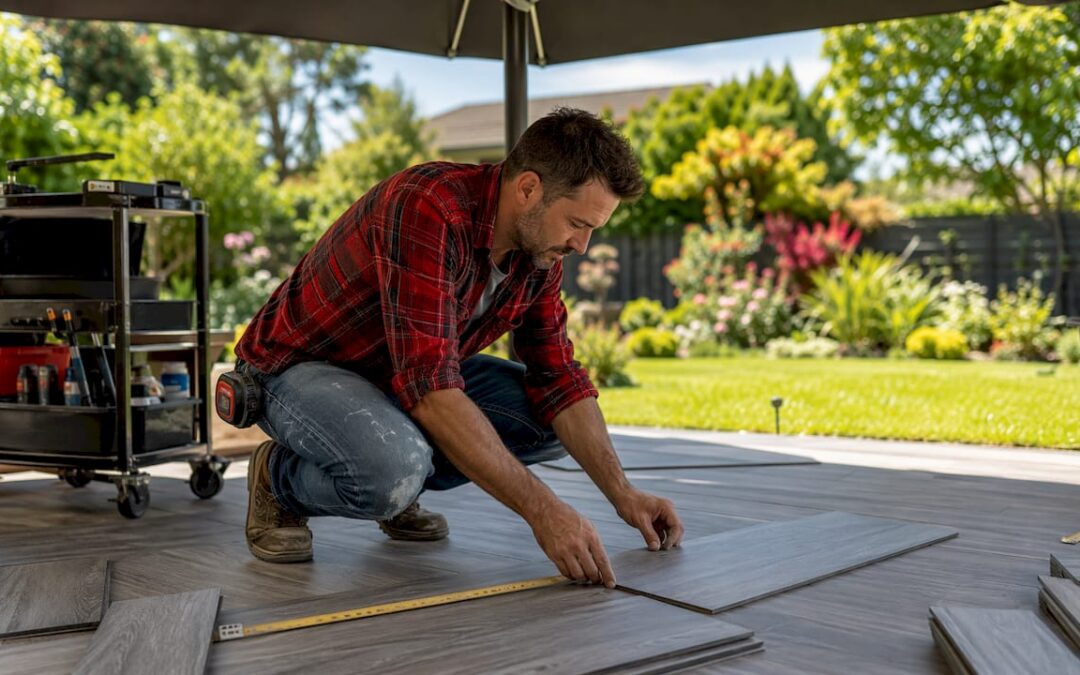
Waterproof vinyl plank flooring is the most practical all-around flooring choice for modern homes, and the reason is simple: it is the only category that combines complete moisture immunity, real durability, and hardwood-level visuals at a fraction of the cost. Unlike laminate or solid hardwood, which absorb water and swell at the seams, waterproof vinyl plank is engineered from the core out to reject moisture entirely. Materials cost varies by product quality and style, with professional installation adding to the total price. A quality floor installed correctly can last many years.
Here is what makes it the right call for most homeowners:
- Complete waterproofing from top to bottom, including the core, wear layer, and factory-sealed edges
- SPC and WPC rigid cores engineered to resist moisture regardless of what gets spilled or tracked in
- Wear layers from 12 to 20 mil that control scratch and surface resistance for light to heavy household use
- No swelling, warping, or buckling in kitchens, bathrooms, basements, or laundry rooms
- Low maintenance compared to hardwood or laminate, with no refinishing, waxing, or polishing required
- Pet and child friendly thanks to scratch-resistant surfaces and easy cleanup
Waterproof vs. water-resistant: why the difference matters more than you think
Most homeowners assume “water-resistant” and “waterproof” mean roughly the same thing. They do not, and the gap between them shows up fast in kitchens and bathrooms.
Water-resistant flooring offers surface-level protection only. A spill wiped up within minutes? Fine. Standing water, a slow leak behind the dishwasher, or humidity seeping up from a concrete slab? The core absorbs moisture over time, swells, and the floor buckles. Laminate falls squarely into this category, even products marketed as “waterproof laminate,” which typically offer only 72-hour spill protection rather than true core-level immunity.
True waterproof vinyl plank is a different product entirely. The SPC rigid core contains no wood fiber, making it inorganic and permanently impervious to moisture regardless of wear layer thickness. The click-lock edges are factory-sealed, so water cannot migrate through seams under normal use.
The core is what makes a floor truly waterproof. A waterproof surface coating over a moisture-vulnerable core is not waterproof flooring. True waterproof vinyl plank has a waterproof core, waterproof wear layer, and sealed edges that lock together to prevent moisture from penetrating at any level.
Key distinctions at a glance:
- Waterproof vinyl plank: waterproof core (SPC or WPC) + sealed edges + waterproof wear layer = moisture cannot reach the subfloor
- Water-resistant flooring: surface coating only; core absorbs moisture under prolonged exposure
- Waterproof vinyl plank can handle standing water, humidity, and spills without damage
- Water-resistant flooring handles brief spills but fails under sustained moisture
How waterproof vinyl plank is actually built
The performance of any vinyl plank floor comes down to its layer construction. Every plank stacks the same basic components, but the core material is where the real differences live.
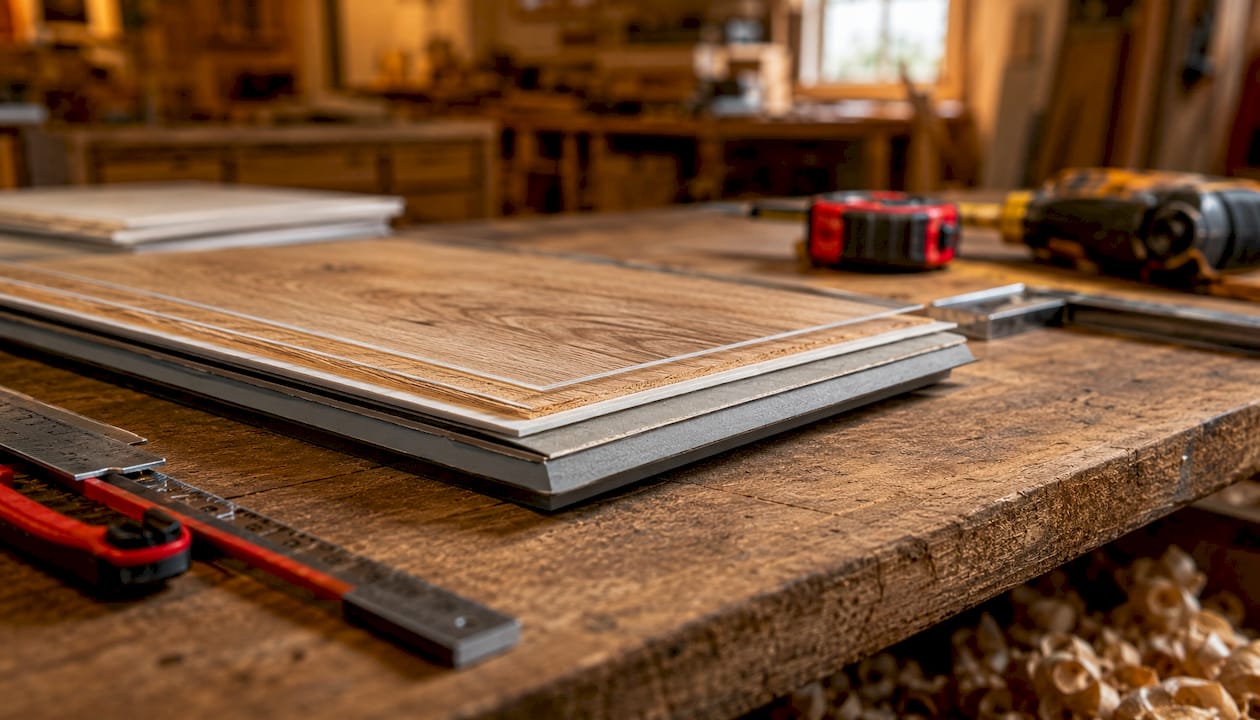
From top to bottom: a transparent urethane wear layer, a printed design layer (the photographic wood or stone image), a rigid waterproof core, and a backing layer that adds stability and sometimes sound dampening. Some premium products include a pre-attached underlayment beneath the backing for added cushion and noise reduction.
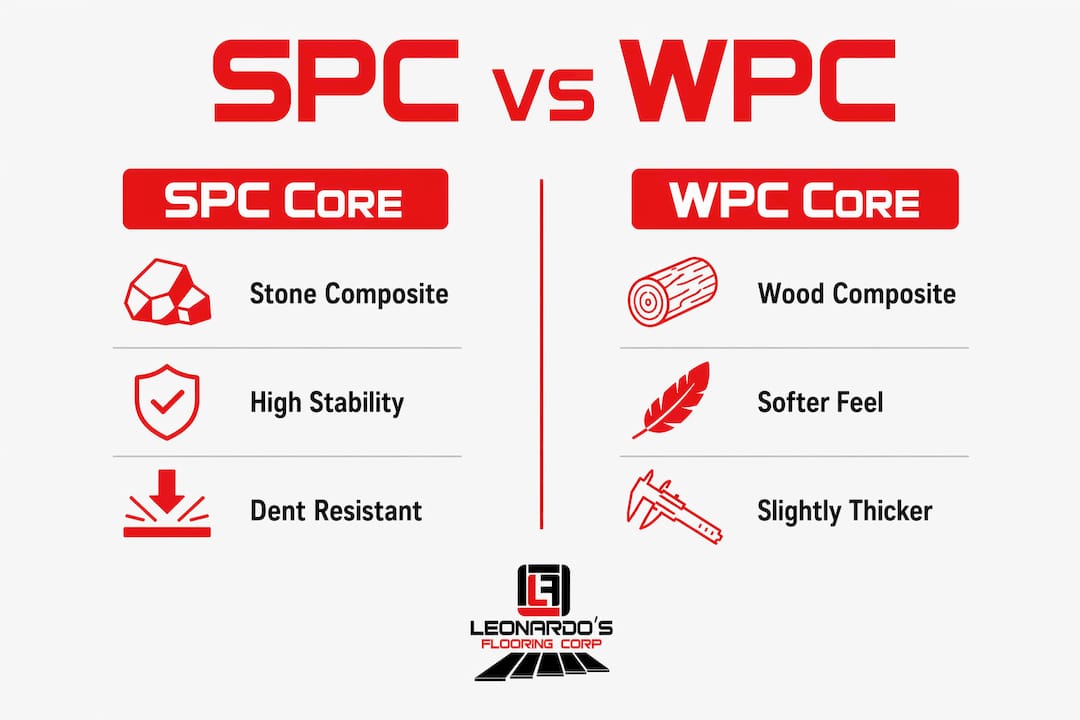
SPC vs. WPC: which core fits your home?
| Feature | SPC (Stone Plastic Composite) | WPC (Wood Plastic Composite) |
|---|---|---|
| Core material | Limestone powder + PVC + stabilizers | Wood pulp fibers + PVC foam |
| Typical thickness | 4mm–6mm | 6mm–8mm |
| Dent resistance | Excellent | Moderate |
| Comfort underfoot | Firm | Softer, warmer |
| Sound absorption | Good | Better |
| Best rooms | Kitchens, entryways, high-traffic areas | Bathrooms, bedrooms, living areas |
| Price range (materials) | $2–$6 per sq. ft. | Roughly 10–20% more than SPC |
| Waterproof? | Yes | Yes |
SPC dominates the rigid-core market thanks to its superior dent resistance and dimensional stability, making it the go-to choice for kitchens where heavy appliances get moved and for homes with large dogs. WPC trades some of that hardness for a softer, quieter feel underfoot, which is a genuine quality-of-life upgrade in bathrooms and bedrooms. Both cores are fully waterproof. The choice between them is about comfort and traffic, not moisture protection.
For a deeper look at how these core materials compare across flooring types, the differences in real-world performance become clear quickly.
How to pick the right wear layer for your household
The wear layer is the clear protective film bonded to the top of every luxury vinyl plank (LVP). It is measured in mils, where one mil equals one-thousandth of an inch. This single spec determines how long your floor holds up before showing scratches, scuffs, and surface wear.
Critically, the wear layer does not affect waterproofing. A 12 mil SPC plank and a 20 mil SPC plank have identical moisture resistance. What changes is how long the surface stays looking good under daily use.
Practical breakdown by household type:
- 6 mil: guest bedrooms and low-traffic rooms only; not suitable for pets, kids, or main living areas
- 12 mil: the residential standard; lasts 12–20 years in light-to-moderate use; suitable for most bedrooms and offices
- 20 mil: the active-household sweet spot; lasts 18–25 years in heavy use; handles large dogs, kids, kitchens, and hallways without issue
- 30 mil: commercial-grade; built for restaurants and retail; at home, ideal for mudrooms and rental properties
The upcharge for 20 mil is consistently worth it in active households. Thicker wear layers show visible wear more slowly, typically come with longer warranties, and better resist damage from pets and accidents. Do not cut corners on wear layer for primary living spaces.
Pro Tip: Total plank thickness and wear layer thickness are two separate specs. A thick plank feels more solid underfoot and absorbs sound better, but a thin plank with a 20 mil wear layer will outlast a thick plank with a 6 mil wear layer every time. Prioritize wear layer.
Maintenance that actually fits into a real schedule
Waterproof vinyl plank is genuinely low maintenance, but “waterproof” does not mean “indestructible.” Grit and sand tracked in from outside act like sandpaper on the wear layer over time, and that is the main thing routine care prevents.
The basics cover most of what your floor needs:
- Sweep or vacuum regularly to remove grit before it scratches the surface
- Mop spills promptly with a damp mop; no need to let them sit since the floor handles moisture, but dried residue dulls the finish
- Use a pH-neutral cleaner made for vinyl; avoid bleach, ammonia-based products, and abrasive scrubbers that degrade the wear layer
- Skip steam mops entirely; the heat can soften the adhesive in glue-down installations and damage the wear layer over time
- Place felt pads under furniture legs to prevent point-load indentations, especially on WPC cores
Routine sweeping and prompt spill cleanup preserve the wear layer and keep the floor looking sharp for years longer than neglected floors of the same quality.
Pro Tip: South-facing rooms with large windows expose floors to prolonged UV light, which fades the printed design layer over years. UV-blocking window film or area rugs in sun-heavy spots extend the life of the floor’s appearance significantly.
When waterproof vinyl plank beats every other option
Vinyl plank is more water-resistant, durable, and easier to maintain than laminate and hardwood in moisture-prone and high-traffic spaces. That covers a lot of American homes.
The clearest wins for vinyl plank over alternatives:
- Kitchens and bathrooms: standing water, steam, and humidity are non-issues; hardwood and laminate both fail here over time
- Basements: concrete slabs wick moisture upward; SPC vinyl handles this without a vapor barrier in many cases, though one is still recommended over concrete
- Homes with pets: SPC core plus a 20 mil wear layer is the most durable residential setup available; scratch-resistant flooring options in this category outperform hardwood and laminate under dog claws
- Busy families: no refinishing cycles, no special cleaners, no anxiety about juice boxes or muddy boots
- Rental properties: the durability and easy turnover cleaning make vinyl plank the practical choice for landlords
Hardwood still holds advantages in resale value perception and the ability to be sanded and refinished multiple times. Tile is equally waterproof but cold underfoot and unforgiving if you drop something. For family-friendly flooring that covers most rooms in most homes, vinyl plank is the most balanced option available.
What warranties actually tell you about vinyl plank quality
A warranty on waterproof vinyl plank is not marketing language. It is the manufacturer’s contractual commitment based on the expected lifespan of the wear layer under stated conditions. Reading it carefully tells you more about a floor’s real quality than the sales pitch ever will.
Warranty length generally tracks with wear layer thickness. A 12 mil product typically carries a 15-year residential warranty. A 20 mil product often comes with a lifetime residential warranty, meaning the manufacturer expects the wear layer to survive normal household use for the floor’s structural lifetime.
What to check before you buy:
- Wear-through coverage: does the warranty cover wear layer failure, or only manufacturing defects?
- Waterproof claim coverage: is moisture damage covered, and under what conditions?
- Installation requirements: most warranties require professional installation or specific subfloor prep; DIY installs often void coverage
- Exclusions: damage from improper cleaning products, furniture without pads, or flooding beyond normal spill scenarios is typically excluded
A warranty is only as good as the installation behind it. Even a lifetime-warranted floor loses coverage if it was installed over an unprepped subfloor or without the required moisture barrier. Read the installation requirements before you purchase, not after.
Professional installation protects your warranty. It also protects the floor itself, since even waterproof floors require proper perimeter sealing in wet areas to prevent moisture from migrating under the planks and reaching the subfloor.
What Leonardosflooringcorp sees in Denver homes every day
Denver’s climate creates specific flooring challenges that generic buying guides miss. Temperature swings between seasons cause flooring to expand and contract, and basements in older Denver homes often have moisture conditions that surprise homeowners who have never tested their slab.
At Leonardosflooringcorp, the first question we ask is always about the room, not the product. A beautiful 20 mil SPC plank installed over a damp, unleveled subfloor will fail faster than a modest 12 mil product installed correctly over a properly prepped surface. The floor is only as good as what is underneath it.
Subfloor preparation is where most DIY and budget installations fall short. Leonardosflooringcorp’s process includes moisture testing, leveling compounds where needed, and vapor barriers over concrete slabs before any plank goes down. For wet areas like bathrooms, perimeter silicone caulking at the tub and toilet base is standard, not optional.
The team at Leonardosflooringcorp recommends SPC with a minimum 20 mil wear layer for Denver kitchens, where temperature fluctuations and heavy appliance traffic demand the denser core. For basements, the combination of SPC and a vapor barrier handles Colorado’s seasonal humidity shifts without issue. With professional vinyl flooring installation, the floor performs as the manufacturer intended and the warranty stays intact.
Environmental considerations worth knowing
Vinyl plank flooring is made from PVC, which is not biodegradable and is difficult to recycle at end of life. That is a real limitation, and it is worth knowing before you buy.
The practical offset is longevity. A 20 mil floor lasting 20 to 25 years replaces itself far less often than a cheaper floor replaced every 8 to 10 years, which reduces total material consumption over time. Many quality LVP products now carry FloorScore or GREENGUARD Gold certification, which verifies low volatile organic compound (VOC) emissions and indoor air quality safety. These certifications matter most in bedrooms and spaces where children spend time on the floor.
Some manufacturers have introduced take-back programs for end-of-life vinyl, though availability varies by brand and region. If sustainability is a priority, look for certified low-VOC products and buy the thickest wear layer you can justify for your use case. Fewer replacements over a home’s lifetime is the most practical environmental argument for premium vinyl plank.
Installation methods and what they mean for your project
Waterproof vinyl plank installs three ways, and the right method depends on the room, the subfloor, and how permanent you want the result.
Click-lock floating is the most common method. Planks interlock along their edges and sit on top of the subfloor without glue or nails. A skilled DIYer can cover 500 square feet in a weekend. The floor can expand and contract with temperature changes, and individual planks can be replaced if damaged. This method works over concrete, existing tile, or plywood as long as the surface is flat within manufacturer tolerance, typically no more than 3/16 inch over 10 feet.
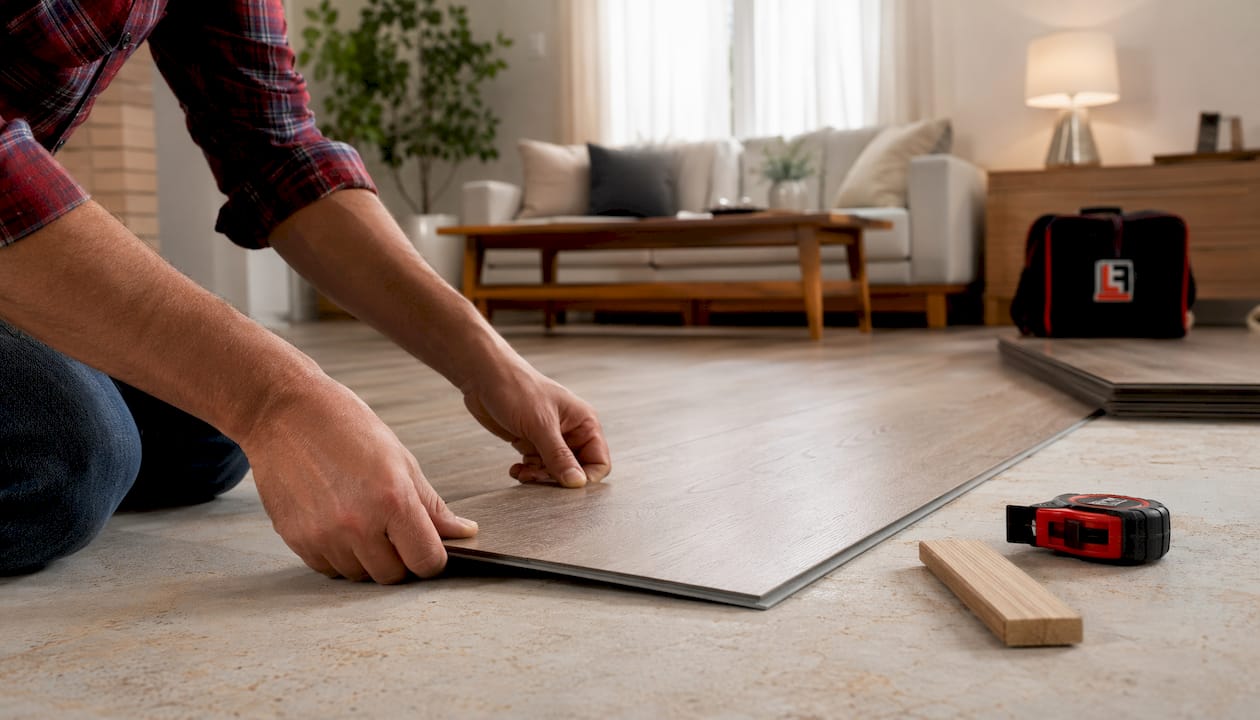
Glue-down installation bonds planks directly to the subfloor with adhesive. It is the most watertight option for bathrooms with heavy water exposure, since it eliminates any gap between the plank and the subfloor. It is also harder to remove and replace later.
Peel-and-stick is the entry-level option, suitable for low-traffic areas and temporary installations. It is not recommended for wet rooms or anywhere the floor will see sustained use.
Vinyl plank allows DIY installation with click-lock systems, but subfloor prep and moisture barriers are critical for longevity and warranty coverage. Skipping the moisture test on a concrete slab, or installing over a subfloor with more than 3/16-inch variation, is where most installation regrets begin. Planks feel sturdier and joints last longer when the subfloor is perfectly level and a quality underlayment is used.
For flooring installers who specialize in vinyl plank, including flooring experts in the Peoria area, proper subfloor prep is consistently cited as the factor that separates a floor that lasts from one that fails early.
Cost comparison: what you actually pay versus what you get
Waterproof vinyl plank sits in a practical middle ground between budget options and premium hardwood, and it delivers more value per dollar in moisture-prone spaces than any other category.
| Flooring Type | Material Cost | Installed Cost | Waterproof? | Refinishable? | Lifespan |
|---|---|---|---|---|---|
| Waterproof vinyl plank (LVP) | $1.50–$7/sq. ft. | $3.50–$8/sq. ft. | Yes | No | 15–25 years |
| Laminate | $1.50–$3.50/sq. ft. | Lower | Spill-resistant only | No | 10–20 years |
| Engineered hardwood | $3.50–$8/sq. ft. | Higher | No | 1 time or 2 times | 20–30 years |
| Solid hardwood | $5–$12/sq. ft. | Highest | No | 3 times or 4 times | 30+ years |
| Porcelain tile | $2–$8/sq. ft. | Moderate to high | Yes | No | 30+ years |
Vinyl plank is cheaper than hardwood and fully waterproof, which makes it the only practical choice for kitchens, bathrooms, and basements where hardwood simply cannot go. Laminate costs less upfront but carries real risk in any room with moisture. Tile is equally waterproof but cold, hard underfoot, and expensive to install correctly. For the combination of price, moisture protection, and livability, vinyl plank wins in most residential rooms.
Style options that actually look like real wood
Advances in digital printing technology have made it genuinely difficult to distinguish premium vinyl plank from natural hardwood at a glance. The printed design layer can replicate oak grain, hickory knots, wide-plank walnut, stone tile, and even concrete, with embossed textures that match the visual pattern underneath.
Plank widths typically run from 4 inches to 9 inches, with longer plank lengths creating a more open, contemporary feel. Color options span light Scandinavian blondes to deep espresso tones, and the matte finishes common in 2026 products hide minor scratches and dust far better than high-gloss surfaces. Embossed-in-register (EIR) texture, where the surface texture aligns precisely with the printed grain, is the most realistic option and worth the slight price premium if visual authenticity matters to you.
For homeowners who want the look of luxury vinyl plank without sacrificing practicality, the current generation of products is genuinely impressive. The gap between vinyl and hardwood in appearance has narrowed to the point where most guests cannot tell the difference without getting on their hands and knees.
Honest limitations you should know before you buy
No floor is perfect, and vinyl plank has real trade-offs worth understanding before you commit.
It cannot be refinished. When the wear layer is gone, the plank gets replaced, not sanded down and recoated. This is the fundamental difference from hardwood, which can be refinished three to five times over its life. Premium wear layers delay this, but they do not eliminate it.
UV fading is a genuine risk in south-facing rooms with large windows. The printed design layer degrades under prolonged direct sunlight over years, and unlike hardwood, you cannot sand away the discoloration. UV-blocking window film or area rugs in sun-heavy spots are practical mitigations.
Heavy point loads cause indentations, particularly on WPC cores. Refrigerators, piano legs, and furniture with small feet will dent vinyl over time. Furniture cups and wide-base pads prevent most of this.
Cheap vinyl sounds hollow underfoot. Products without pre-attached underlayment, or installed over uneven subfloors, produce a clicking sound with each step. The fix is quality underlayment (2mm–3mm cork or foam), a flat subfloor, and planks at least 6mm thick.
VOC emissions are a consideration with some lower-quality products. Look for FloorScore or GREENGUARD Gold certification if indoor air quality is a priority, especially in bedrooms.
Key Takeaways
Waterproof vinyl plank flooring is the most practical choice for moisture-prone rooms because its SPC or WPC rigid core provides complete moisture immunity that no laminate or hardwood product can match.
| Point | Details |
|---|---|
| Core type drives waterproofing | SPC and WPC rigid cores are waterproof; the wear layer controls scratch resistance, not moisture protection. |
| Wear layer determines lifespan | 12 mil lasts 12–20 years in light use; 20 mil lasts 18–25 years in heavy use. |
| Installation quality is critical | Proper subfloor prep, moisture barriers, and perimeter sealing protect both the floor and the warranty. |
| Cost is competitive | Material and installation costs vary depending on product and installation specifics, with quality floors designed for long-term use. |
| Real limitations exist | Vinyl cannot be refinished, fades under prolonged UV exposure, and dents under heavy point loads without furniture pads. |
Ready to put the right floor in the right room? Leonardosflooringcorp has been installing vinyl flooring in Denver for over 10 years, with 125+ five-star reviews and a process built around your specific space, budget, and timeline. No cookie-cutter installs. No surprises.
Contact Leonardosflooringcorp to get a quote tailored to your home.