
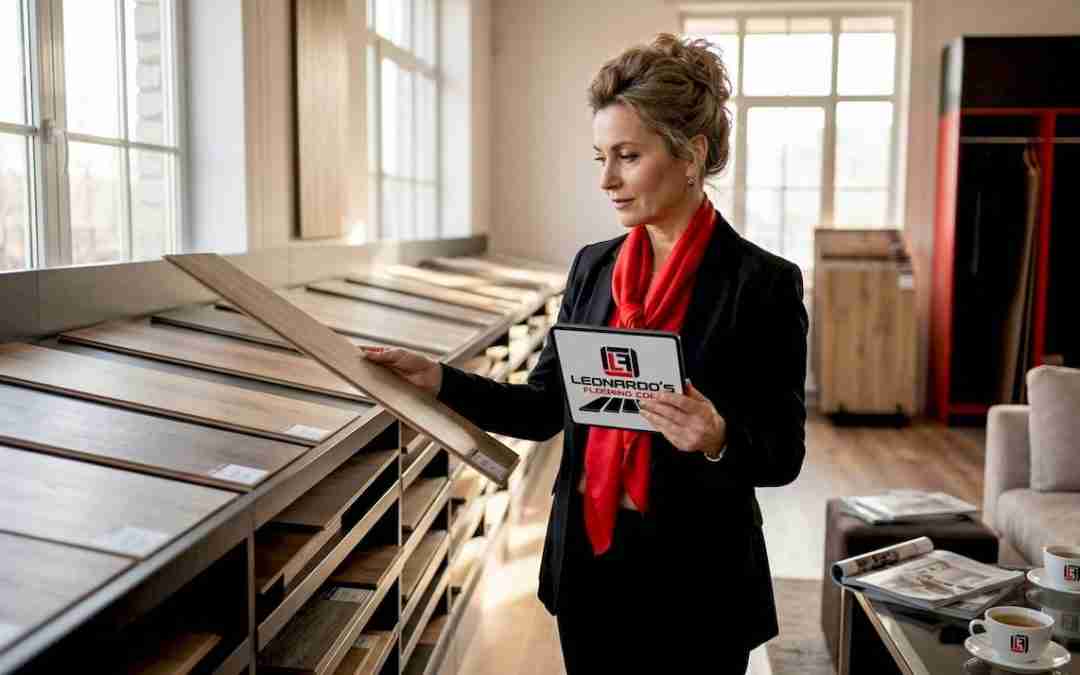
If you’re weighing flooring options this year, the laminate flooring trends 2026 has produced are genuinely worth paying attention to. The category has shed its reputation for cheap imitation surfaces. Today’s laminate delivers improved realism and performance that closes the gap with hardwood at a fraction of the cost. But with so many styles, finishes, and performance claims competing for your attention, knowing which trends actually matter for your project, whether residential or commercial, makes all the difference.
Key Takeaways
| Point | Details |
|---|---|
| Natural textures lead 2026 | Oak-inspired and embossed-in-register finishes dominate the latest laminate flooring designs this year. |
| Warm neutrals replace cool grays | Greige, honey, and sand tones are replacing stark white and traditional gray in trending laminate colors. |
| Performance claims need scrutiny | Waterproof ratings are time-limited, so installation quality determines how well protection holds up. |
| Sustainability is now a real factor | Leading manufacturers prioritize recycled content and energy-efficient production as core product values. |
| Wide planks expand any space visually | Large-format planks combined with herringbone or chevron layouts are reshaping 2026 flooring styles. |
1. Natural textures and authentic wood visuals
The most defining shift in laminate flooring trends 2026 is how convincingly the product mimics real wood. The gap between laminate and hardwood has shrunk dramatically, largely because of embossed-in-register (EIR) technology. EIR printing aligns the surface texture with the printed grain underneath, so the highs and lows you feel actually match what you see. The result is a plank that photographs and walks like real timber.
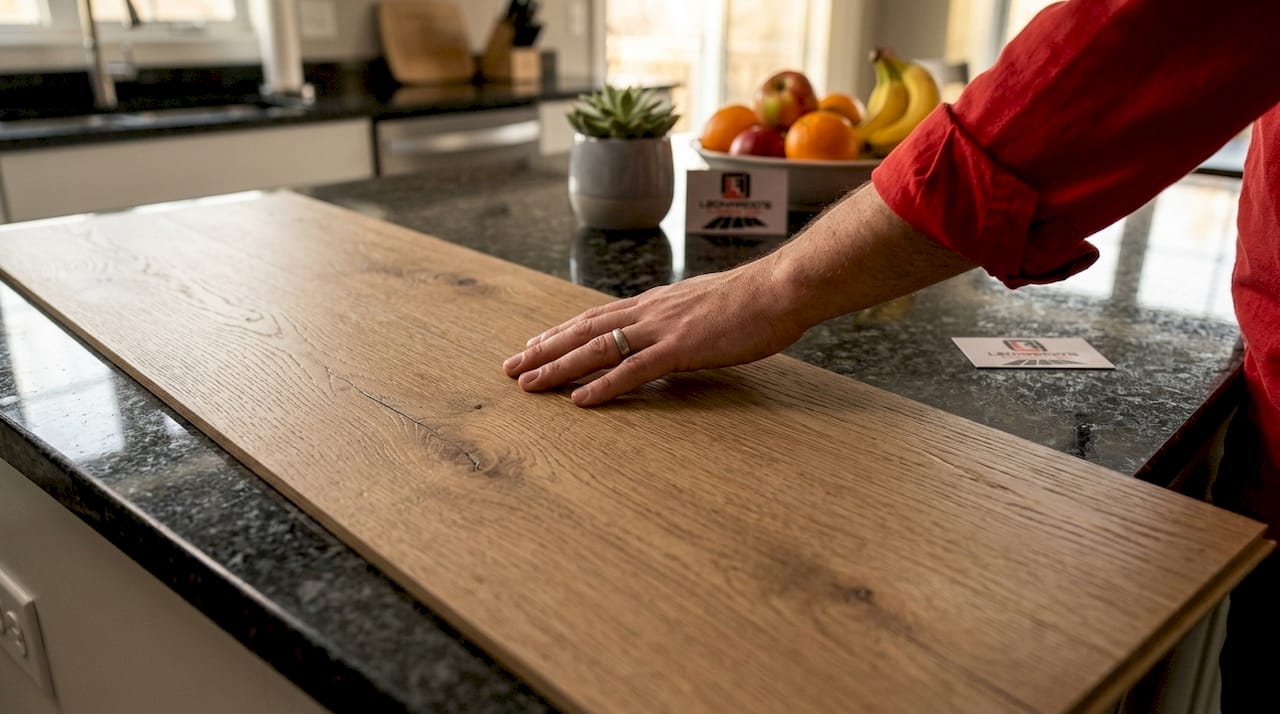
Oak remains the dominant wood design, but consumers and designers are branching out. Species like chestnut, acacia, and white ash are gaining ground. These grains offer more character variation, appealing to buyers who want personality in their floors without paying hardwood prices.
Finish preference has moved strongly toward matte and ultra-matte surfaces. High-gloss laminate still has a place in select commercial or contemporary residential designs, but most homeowners find that a matte finish choice reduces glare, hides everyday scuffs better, and leans into a more organic, lived-in aesthetic.
- Embossed-in-register surface textures match grain and texture precisely
- Species variety expanding beyond oak to chestnut, acacia, and ash
- Ultra-matte finishes dominating residential and transitional style settings
- Advanced digital printing enabling fine knot, ray, and pore detail
Pro Tip: When shopping, ask specifically whether a plank uses EIR technology or a standard embossed finish. Standard embossed looks flat under raking light, especially in larger rooms. The difference is immediately visible in person.
2. Color palettes focused on calm neutrals and warm tones
Cool gray floors had a long run. That run is ending. The trending laminate colors for 2026 are warmer, softer, and more inviting. Greige (a blend of gray and beige), warm sand, taupe, and honey tones are driving the bulk of new collection launches. These shades work across more design styles than the stark whites and blue-grays that dominated the early 2020s.
Honey and amber tones deserve special attention. They highlight the natural variation in printed wood grain, so floors feel more organic rather than manufactured. Paired with natural stone tiles, linen textiles, and warm metal hardware, these colors slot into Scandinavian-influenced, biophilic, and transitional interiors without effort.
What makes this shift practical is versatility. Warm neutrals are harder to date than trend-specific colors. They read differently in north and south-facing rooms, shift with seasonal light changes, and age gracefully as your furniture and decor evolve.
- Greige and warm beige replacing cool gray as the go-to neutral
- Honey, amber, and sand tones creating warmth in open-plan spaces
- Pale taupe working across contemporary, transitional, and Scandinavian styles
- Richer mid-tones gaining traction in commercial hospitality and office settings
3. Large-format planks and sophisticated flooring patterns
Size matters in 2026. Consumers and designers prefer large-format planks for the seamless, open feel they create in a room. A wider, longer plank means fewer seams per square foot. Fewer seams means the floor reads as one continuous surface, which visually expands any space.
Standard plank widths of 5 to 7 inches remain common and practical, but planks running 8 to 12 inches wide are increasingly the premium choice for living rooms, primary bedrooms, and open-concept layouts. Lengths have also grown, with many collections now offering planks up to 6 feet long.
Beyond plank size, pattern-based installations are reshaping how designers specify laminate. Herringbone and chevron layouts, long associated with luxury hardwood or tile flooring trends, are now widely achievable with laminate. The result adds elegance and visual interest without the labor and material costs of natural wood.
| Format | Best Use | Visual Effect |
|---|---|---|
| Wide planks (8-12 in.) | Open-plan rooms, living areas | Expansive, seamless, modern |
| Standard planks (5-7 in.) | Any room, budget-conscious | Versatile, timeless |
| Herringbone layout | Hallways, entryways, dining rooms | Sophisticated, directional |
| Chevron layout | Feature areas, commercial spaces | Bold, structured, high-end |
4. Enhanced performance features including water resistance and durability
This is where marketing language and product reality can diverge the most. Knowing what the claims actually mean protects you from expensive mistakes.
“Waterproof” laminate is real, but the rating is time-limited. Modern waterproof laminate is tested up to 24 to 72 hours of standing water exposure with zero swelling. That covers spills, pet accidents, and minor flooding. It does not cover persistent moisture from below, poor subfloor vapor management, or flooded conditions lasting days.
Improved click-lock systems with hydrophobic coatings are the real performance story in 2026. These protect joint integrity, the most vulnerable point in any floating floor installation. Premium laminate lines now include AC4 and AC5 abrasion ratings, making them suitable for family homes and light commercial environments. Scratch and stain resistance have become standard expectations in any product priced above the entry level.
The U.S. laminate market is seeing low-to-mid single-digit growth in 2026, driven directly by these performance improvements. Kitchens, bathrooms, and high-traffic commercial entries are all viable spaces for the right laminate product today.
Pro Tip: Always ask for the AC rating and the specific waterproof test window, not just the “waterproof” label. A product tested to 24 hours needs faster spill response than one tested to 72 hours. That distinction changes how you use and maintain the floor.
5. Sustainability and eco-design shaping product choices
Sustainable laminate trends are no longer a niche. They are becoming a core purchase factor for both residential buyers and commercial specifiers. The product’s engineered wood core is inherently more resource-efficient than solid hardwood, since it uses smaller, faster-growing wood fiber combined with recycled materials.
EPLF members are advancing eco-design principles by integrating post-consumer recycled content, energy-efficient manufacturing, and circular production frameworks into their 2026 collections. Globally, EPLF members sold 263.4 million m² in 2025, and despite a volume dip, the focus on sustainability-led innovation has intensified rather than declined.
Durability is the sustainability story that often gets overlooked. A floor that lasts 20 to 25 years does not need to be replaced, which reduces manufacturing demand, transportation emissions, and landfill waste. Choosing a product with a longer wear rating is as much an environmental decision as it is a financial one.
- Look for FloorScore or GREENGUARD certifications for indoor air quality standards
- Prioritize products with transparent recycled content disclosures
- Higher abrasion ratings directly correlate with longer floor life and less material waste
- Energy-efficient manufacturing practices are now disclosed by most major European and North American brands
6. Laminate vs. other best flooring options: a practical comparison
If you are exploring what are flooring trends 2026 more broadly, you will encounter laminate alongside tile, luxury vinyl plank (LVP), and engineered hardwood. Each serves different needs.
Flooring trends in 2026 show tile gaining ground in wet rooms and commercial spaces, particularly large-format porcelain. Tile flooring trends 2026 lean toward oversized slabs in concrete or stone looks, which complement many of the same neutral palettes driving laminate design. But tile is cold underfoot, heavy, and expensive to install.
LVP is the most direct competitor to laminate. It is fully waterproof at the core level, not just surface-rated. Laminate counters with better print clarity, a more authentic underfoot feel, and generally lower cost per square foot. Installed laminate costs roughly $2 to $5 per square foot in 2026, making it one of the best laminate flooring options for budget-conscious buyers who do not want to sacrifice style.
For a fuller picture of how these materials stack up for your specific project, the flooring selection guide from Leonardosflooringcorp covers the tradeoffs in detail.
7. Decision guide: matching trend to project
Not every trend fits every project. Here is how to narrow it down.
- For high-traffic residential rooms: Prioritize AC4-rated laminate with hydrophobic click joints. Natural oak or greige tones will stay in style longer than bold color choices.
- For kitchens or laundry rooms: Focus on the waterproof test window. Read the fine print, not just the label.
- For commercial or office spaces: AC5-rated products and subfloor flatness are non-negotiable. Floating click systems are sensitive to uneven substrates.
- For open-plan living areas: Wide planks in warm neutral tones create the most cohesive result. Consider herringbone if you want a focal point.
- For budget renovations: Standard 5-to-7-inch planks in an AC3 or AC4 product offer the best value. DIY click-lock installation can save $2 to $4.50 per square foot in labor costs.
- For sustainability-focused projects: Request recycled content documentation and certification labels. Longer warranty periods signal higher durability and less frequent replacement.
- For designer-driven projects: Invest in EIR texture and large-format planks. The visual payoff is substantial and photographs exceptionally well.
Connecting the right laminate options to the right project takes more than reading spec sheets. It takes experience with how these products actually perform after installation.
My honest take on 2026 laminate flooring
I’ve installed flooring across hundreds of homes and commercial spaces in the Denver metro, and I want to be direct with you about something that industry trend coverage usually glosses over.
The 2026 laminate differentiation is real. Textural realism and sustainability are genuine advances, not just marketing language. But waterproof claims are the area where I see homeowners most frequently disappointed. I’ve seen installations fail not because the product was bad, but because the subfloor was not properly leveled or a vapor barrier was skipped to save money. You should treat waterproof laminate as water-resistant for a limited time, not as a permanent shield against moisture.
My other honest observation: sustainability has moved from a tie-breaker to a genuine decision driver for a growing number of buyers I work with. That matters. A well-installed floor with a 20-year lifespan and a responsible supply chain is a better environmental and financial choice than a trendy product that needs replacing in eight years. Always factor longevity into the cost equation.
Subfloor preparation is the part of every installation that determines whether any of the above trends actually hold up over time. No amount of premium product selection fixes a bad substrate. That is where professional installation earns its cost many times over.
— Jim
Get the right laminate floor installed right the first time
If you’re based in the Denver metro and you want to cut through the trend noise and find the right floor for your specific space, Leonardosflooringcorp is ready to help. With over 10 years of experience and 125+ five-star reviews, the team at Leonardo’s Flooring Corp knows how to match 2026’s best laminate flooring options to your budget, timeline, and design goals.
From subfloor preparation to geometric herringbone layouts, Leonardo’s handles every step of laminate floor installation for both residential and commercial projects across Denver. Whether you are planning a single-room refresh or a full renovation, get in touch for a free quote. You can also explore the full range of laminate floor products to start narrowing down your options before your consultation.
FAQ
What are the top laminate flooring trends for 2026?
Natural wood textures with matte finishes, warm neutral colors like greige and honey, wide-format planks, and enhanced waterproof performance are the defining laminate flooring trends in 2026.
Is laminate flooring actually waterproof in 2026?
Most premium laminate is tested for 24 to 72 hours of standing water exposure with no swelling, but it is not fully waterproof. Installation quality and joint integrity are what determine real-world water protection.
What are the trending laminate colors in 2026?
Warm greige, honey, sand, taupe, and amber tones dominate 2026’s trending laminate colors, replacing the cool grays and stark whites that defined earlier collections.
How much does laminate flooring installation cost in 2026?
Installed laminate costs roughly $2 to $5 per square foot in 2026. DIY installation with click-lock systems can save $2 to $4.50 per square foot in labor costs depending on project complexity.
How does laminate compare to tile flooring trends in 2026?
Tile flooring trends in 2026 favor large-format porcelain in stone or concrete looks, ideal for wet rooms and commercial spaces. Laminate offers better warmth underfoot, lower cost, and more authentic wood visuals for dry or semi-dry residential areas.