
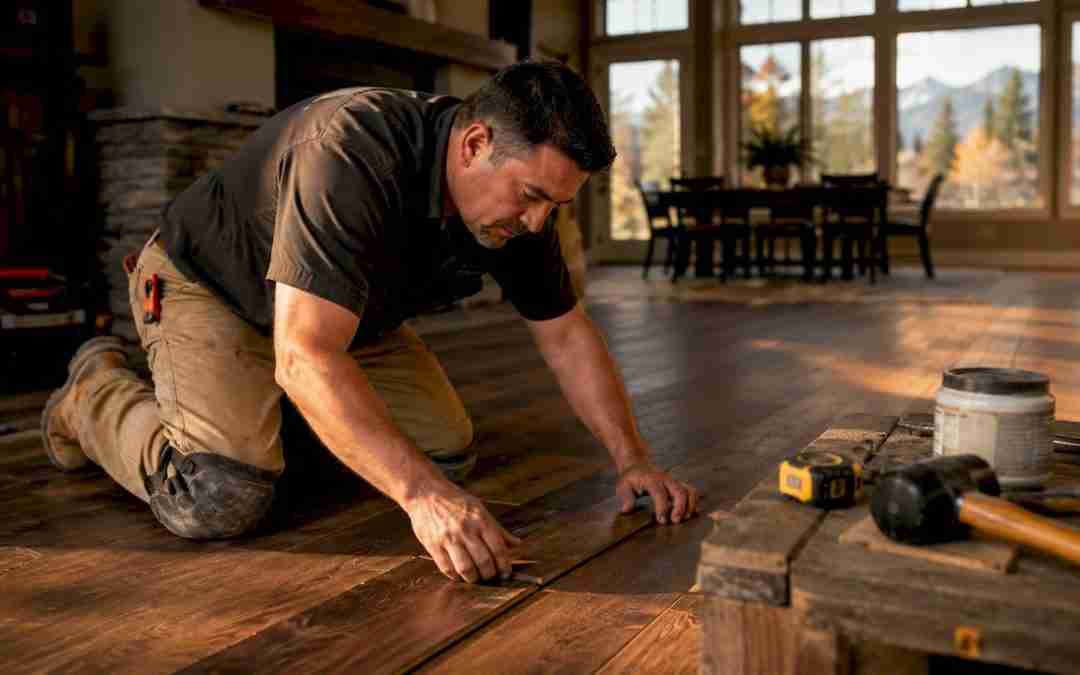
Engineered wood flooring is defined as a multi-layered wood product with a real hardwood veneer bonded over a cross-grain plywood or HDF core. It delivers the look of solid hardwood with measurably better dimensional stability, making it a practical choice for basements, kitchens, and rooms with radiant heat. The engineered wood benefits are real, but so are the trade-offs. Understanding the pros and cons of engineered wood before you buy saves you from costly surprises after installation.
What are the pros and cons of engineered wood flooring?
Engineered wood flooring outperforms solid hardwood in stability, installation flexibility, and upfront cost. It falls short in refinishing capacity and long-term moisture resistance. Those two facts define every buying decision you will make about this product.
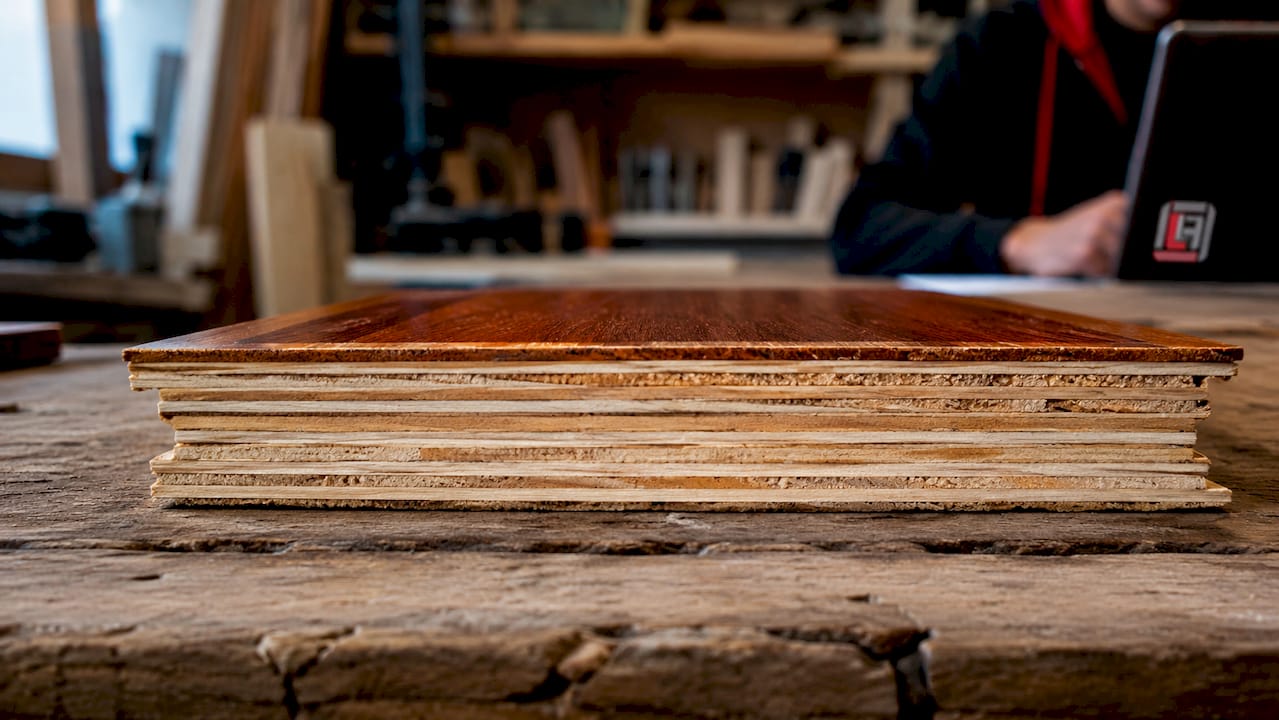
The construction is the key. Each plank consists of three to twelve alternating wood layers, with the grain of each layer running perpendicular to the one above it. That cross-grain structure is what gives engineered wood its edge over solid planks in real-world conditions.
Brands like Shaw Floors, Bruce Hardwood, and Armstrong Flooring all produce engineered lines that meet current 2026 residential and commercial standards. The quality gap between budget and premium products is wide, and that gap shows up directly in how long your floor lasts.
How engineered wood achieves superior stability
The cross-grain plywood core is the reason engineered wood resists dimensional movement by 50–75% compared to solid hardwood. Solid wood expands and contracts across its grain as humidity changes. Engineered wood’s alternating layers fight that movement from multiple directions at once.
This matters most in three situations:
- Humid climates or seasonal humidity swings: Denver’s dry winters and wetter summers create real stress on solid wood floors. Engineered wood handles that cycle far better.
- Below-grade installations: Basements have higher ambient moisture. Solid hardwood is not recommended below grade. Engineered wood is.
- Radiant heat systems: Engineered wood is compatible with radiant heating because the cross-ply design allows heat to transfer without causing the planks to cup or crack.
The stability advantage is not marginal. A solid oak plank might gap noticeably in winter and swell in summer. A quality engineered oak plank in the same room will barely move.
Pro Tip: When buying engineered wood for a moisture-prone area, choose a plywood core over an HDF core. Plywood cores resist swelling significantly better in kitchens, bathrooms, and basements.
Cost and installation advantages for homeowners and builders
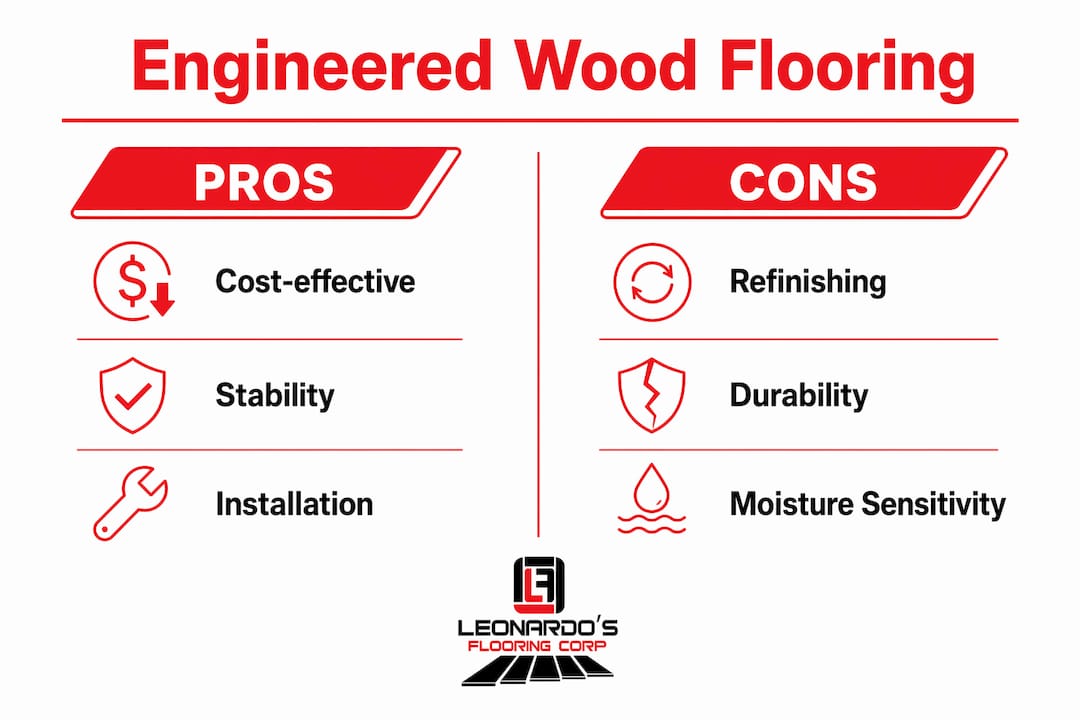
Engineered wood material costs run $4–$13 per square foot, and total installation runs 20–30% less than comparable solid hardwood projects. That cost difference adds up fast on larger jobs. A 1,000-square-foot installation could save you $2,000 or more compared to solid wood.
The installation flexibility is equally valuable:
- Floating installation: Planks click or glue together over underlayment without fastening to the subfloor. This works over concrete, existing tile, and most subfloor types.
- Glue-down installation: Adhesive bonds planks directly to concrete, which is the preferred method for below-grade spaces.
- Nail-down installation: Works over wood subfloors, just like solid hardwood.
That range of methods means one product can work across your entire home, from the main floor to the basement. Solid hardwood cannot make that claim.
Pro Tip: For floating installations, invest in a premium underlayment. A hollow sound underfoot is the most common complaint about floating floors, and quality underlayment solves it before it starts.
Time savings matter on commercial and renovation projects. Floating engineered wood installs faster than nail-down solid hardwood, which reduces labor hours and gets spaces back in use sooner.
Maintenance, durability, and refinishing limits
Engineered wood requires specific care to protect its real wood surface. Proper maintenance uses pH-neutral cleaners and damp mopping only. Wet mopping, steam cleaners, and harsh chemical cleaners all damage the veneer finish faster than normal wear does.
Here is what you need to know about refinishing:
- Veneer thickness determines your refinishing options. A veneer of 3mm or thicker allows 2–5 sanding and refinishing cycles over the floor’s life. A veneer under 2mm cannot be refinished at all without sanding into the core.
- Sanding into the core ruins the floor permanently. Unlike solid hardwood, which can be sanded down many times, engineered wood refinishing limits are fixed by how much real wood sits on top.
- Budget products cut corners on veneer thickness. A $4/sq ft engineered plank often has a veneer under 2mm. You get the look of hardwood with none of the refinishing longevity.
- Finish quality affects scratch resistance. Aluminum oxide finishes, used by brands like Bona and Loba, outperform standard polyurethane in daily wear resistance.
The practical lifespan of a well-maintained engineered floor with a 3mm+ veneer is 25–30 years. A budget floor with a thin veneer may look worn in 10 years with no option to refresh it.
For ongoing care guidance, Leonardosflooringcorp recommends reviewing expert hardwood maintenance tips specific to Colorado’s climate conditions.
Engineered wood vs solid wood: a side-by-side comparison
The right choice between engineered wood and solid hardwood depends on your specific room, budget, and long-term plans. Neither product is universally better.
| Factor | Engineered wood | Solid hardwood |
|---|---|---|
| Material cost | $4–$13/sq ft | $8–$25/sq ft |
| Stability | 50–75% less movement | High movement with humidity |
| Refinishing cycles | 2–5 (3mm+ veneer) | 7–10+ cycles |
| Below-grade use | Yes | No |
| Radiant heat | Compatible | Not recommended |
| Moisture resistance | Moderate | Low |
| Lifespan | 25–30 years (quality) | 50–100 years |
Solid hardwood wins on long-term lifespan and refinishing potential. If you plan to stay in a home for 40+ years and want a floor you can sand back to new multiple times, solid hardwood delivers that. Engineered wood wins on installation versatility, upfront cost, and performance in challenging environments.
The aesthetic difference is minimal to most eyes. Both products use real wood on the surface. The grain, color, and texture of a quality engineered plank are indistinguishable from solid hardwood once installed.
Engineered wood also carries a sustainability advantage. It uses 30–70% less high-quality hardwood than solid wood by relying on faster-growing species for the core layers. For homeowners prioritizing responsible sourcing, look for FSC or PEFC certified products. You can learn more about sustainable wood certifications and what they mean for your purchase. Leonardosflooringcorp also covers this topic in depth for Denver homeowners looking at sustainable flooring options.
Key disadvantages of engineered wood to know before you buy
Engineered wood has real limitations that budget marketing tends to downplay. Knowing them upfront protects your investment.
- Standing water causes permanent damage. Prolonged water exposure causes swelling and delamination in the core layers. A leaking dishwasher or flooded basement can ruin an engineered floor beyond repair.
- Floating floors can feel hollow. Without proper underlayment, floating engineered wood produces a hollow sound and softer feel underfoot. This is the most common complaint in online engineered wood reviews.
- Thin veneers cannot be refinished. Budget products with veneers under 2mm look great on day one and cannot be refreshed when they show wear. You replace the floor instead of refinishing it.
- HDF cores fail in wet areas. High-density fiberboard cores absorb moisture faster than plywood. In kitchens, bathrooms, or laundry rooms, HDF core products carry real risk of swelling and failure.
- Scratches and dents still happen. Real wood on the surface means real wood vulnerability. High-traffic areas and pet claws will mark the finish over time, just as they would on solid hardwood.
Understanding these disadvantages of engineered wood does not mean the product is wrong for your project. It means you buy the right product for the right room with the right expectations.
Key Takeaways
Engineered wood flooring is the better choice over solid hardwood for below-grade spaces, radiant heat systems, and budget-conscious projects, provided you select a plywood core with a veneer of 3mm or thicker.
| Point | Details |
|---|---|
| Stability advantage | Cross-grain construction reduces movement by 50–75% compared to solid hardwood. |
| Cost savings | Material and installation costs run 20–30% less than solid hardwood projects. |
| Refinishing limits | Only veneers of 3mm or thicker allow refinishing; budget products with thin veneers cannot be sanded. |
| Core material matters | Choose plywood cores over HDF in any moisture-prone room to prevent swelling and delamination. |
| Maintenance is specific | Use pH-neutral cleaners and damp mopping only; steam and harsh chemicals shorten the floor’s life. |
What I’ve learned after years of engineered wood installations
I have installed engineered wood in hundreds of Denver homes, and the single biggest mistake I see homeowners make is buying on price alone. A $4/sq ft engineered plank looks identical to a $10/sq ft plank in the store. On the floor, after two years of foot traffic and Colorado’s dry winters, the difference is obvious.
The second misconception I run into constantly is that engineered wood is somehow fake or inferior. It is not. In a basement, over radiant heat, or in a home with significant humidity swings, engineered wood genuinely outperforms solid hardwood. Solid wood in those environments will gap, cup, and warp. Engineered wood will not. That is not a compromise. That is the right tool for the job.
My buying advice is straightforward. Ask for the veneer thickness before you commit. Anything under 3mm is a short-term floor. Ask whether the core is plywood or HDF. If you are going anywhere near moisture, HDF is not acceptable. And read the installation mistakes that trip up even experienced builders, because a great product installed wrong still fails.
Engineered wood is worth it when you match the product to the environment. It is not worth it when you buy the cheapest option and expect solid hardwood performance.
— Jim
Get engineered wood flooring installed right in Denver
Leonardosflooringcorp has installed engineered wood flooring across the Denver metro for over 10 years, including projects over concrete slabs, in finished basements, and over radiant heat systems. We know which products hold up in Colorado’s climate and which ones fail within a few years.
Whether you are replacing a single room or flooring an entire home, our team will help you choose the right product for your subfloor, your budget, and your lifestyle. We offer professional hardwood floor installation with honest quotes and no surprises. Call Leonardosflooringcorp today or request a free consultation online to get started.
FAQ
What is engineered wood flooring made of?
Engineered wood flooring consists of a real hardwood veneer bonded over multiple layers of cross-grain plywood or HDF core. The layered construction gives it better dimensional stability than solid hardwood.
Can engineered wood floors be refinished?
Engineered wood floors with a veneer of 3mm or thicker can be refinished 2–5 times. Floors with veneers under 2mm cannot be sanded without damaging the core.
Is engineered wood good for basements?
Engineered wood is one of the best flooring options for basements because it handles below-grade moisture better than solid hardwood. Choose a plywood core product and glue-down installation for best results.
How does engineered wood compare to solid hardwood in cost?
Engineered wood material costs $4–$13 per square foot, and total installation typically runs 20–30% less than comparable solid hardwood projects. Solid hardwood costs more upfront and requires more controlled installation conditions.
How long does engineered wood flooring last?
A quality engineered wood floor with a 3mm or thicker veneer lasts 25–30 years with proper maintenance. Budget products with thin veneers may show wear in 10 years with no option to refinish.