

Quality flooring is defined as a surface material selected and installed to maximize durability, resale value, and long-term cost efficiency across a property’s lifecycle. For homeowners and property managers in Denver and beyond, the decision to invest in quality flooring is not a cosmetic one. The National Association of Realtors, Consumer Reports, and Opendoor all confirm that flooring directly affects sale price, buyer psychology, and maintenance costs. The question is not whether quality flooring pays off. The question is how much, and which choices deliver the best return.
Why invest in quality flooring: the financial case
The numbers behind quality flooring are more compelling than most homeowners realize. According to Opendoor’s research, hardwood installation delivers an estimated 118% ROI, while refinishing existing hardwood delivers approximately 147% ROI. That means you recover more than your full investment at resale, which is rare in home improvement.
Homes with hardwood floors sell for 2.5% to 5% more than comparable homes without them. On a $400,000 home, that translates to $10,000 to $20,000 in additional sale price. Buyers are not just paying for aesthetics. They are paying to avoid the cost and disruption of replacing flooring themselves after closing.
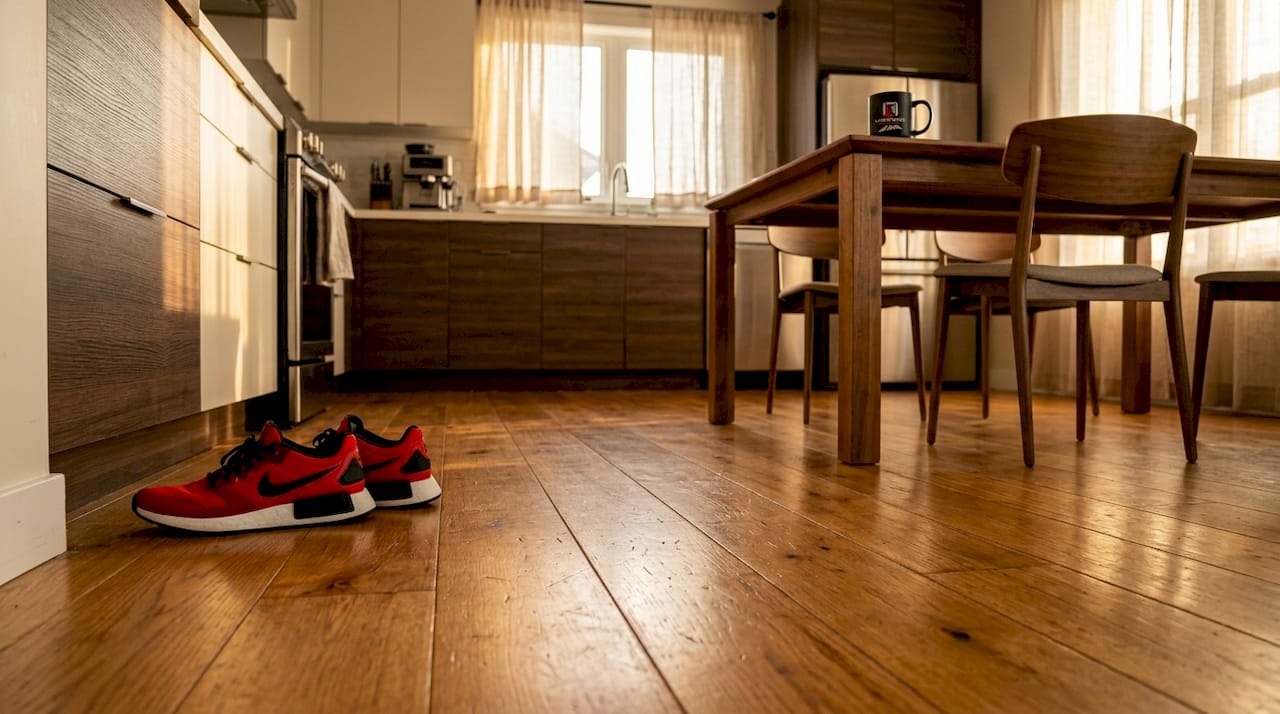
The buyer psychology angle is equally important. Outdated carpet or scratched laminate triggers buyer concerns and lowers offers, even when the rest of the home is in excellent condition. Flooring is one of the first things buyers notice, and poor flooring condition signals deferred maintenance throughout the property.
Pro Tip: If you are preparing a home for sale, prioritize flooring over paint or fixtures. Flooring condition has a measurable impact on offer price; fresh paint is largely expected and rarely moves the needle.
How does flooring quality affect durability and lifespan?
Durability is where quality flooring separates itself from budget alternatives in ways that compound over time. Consumer Reports lab tests evaluate flooring across abrasion cycles, water resistance through surface spills and full submersion, and UV fading over two weeks of simulated sunlight exposure. Products that swell, delaminate, or soften under these conditions score lower, and those scores predict real-world performance accurately.
What makes this testing framework useful for buyers is that it moves beyond marketing claims. A floor labeled “waterproof” may still delaminate under prolonged submersion. A floor marketed as “scratch-resistant” may fail under moderate abrasion cycles. Evidence-based quality choices prevent premature floor failure and cosmetic degradation that would otherwise require early replacement.
Here is how the major flooring categories perform across these durability dimensions:
- Solid hardwood: Highest long-term value and refinishing potential, but vulnerable to moisture and humidity swings. Best for living rooms, bedrooms, and dining areas.
- Engineered hardwood: A cross-ply construction resists moisture better than solid wood. Suitable for basements and kitchens in moderate climates.
- Luxury vinyl plank (LVP): Scores well on water resistance and abrasion in Consumer Reports testing. Lower resale premium than hardwood, but strong performance in high-traffic and wet areas.
- Laminate: Affordable and scratch-resistant, but susceptible to water damage at seams and edges. Limited refinishing potential.
“Matching flooring material to environmental stresses, such as moisture and UV exposure, is critical to maximizing quality benefits, as even visually intact floors can suffer unseen water damage if not chosen correctly.” — Consumer Reports
Professional installation also plays a direct role in durability. Even the highest-quality product will underperform if the subfloor is not properly prepared or if expansion gaps are ignored. Warranties on premium flooring products are frequently voided by improper installation, which eliminates one of the key financial protections of buying quality in the first place.
Refinishing vs. replacement: which strategy wins on cost and ROI?
The refinishing versus replacement decision is where many homeowners and property managers leave money on the table. Most people default to replacement when floors look worn, but the data consistently favors refinishing when the existing hardwood is structurally sound.
Here is a direct comparison of the two approaches:
- Refinishing cost: $3 to $5 per square foot, with an estimated 147% ROI. Lower upfront cost and higher return make this the financially superior choice in most scenarios.
- New hardwood installation cost: $8 to $15 per square foot, with an estimated 118% ROI. Still a strong return, but the higher cost reduces net gain at resale.
- Operational downtime: Refinishing reduces downtime from days to hours, which matters significantly for rental properties and commercial spaces where vacancy costs money.
- Environmental impact: Refinishing preserves existing materials and avoids landfill waste from torn-out flooring. For property managers pursuing sustainability goals, this is a measurable advantage.
- When replacement is the right call: If the existing floor is thinner than 3/4 inch, has structural damage, or has been refinished to the point where no usable wood remains, replacement is the pragmatic choice.
The key insight from facilities management research is that refinishing also creates hygienic, monolithic surfaces by sealing micro-gaps that accumulate bacteria and debris in high-traffic environments. For property managers overseeing commercial or multi-unit residential properties, this is a maintenance benefit that extends well beyond aesthetics.
Pro Tip: Thick, structurally sound hardwood over 3/4 inch can be refinished multiple times across its lifecycle. If you are buying a home with existing hardwood, always ask about the board thickness before assuming replacement is necessary.
How do flooring types compare for investment value and buyer preference?
Not all flooring investments return equal value, and the gap between types is wider than most buyers expect. Nearly 80% of homeowners believe wood floors add the most value among all flooring options. That buyer preference directly translates into faster sales and higher offers in most U.S. markets.
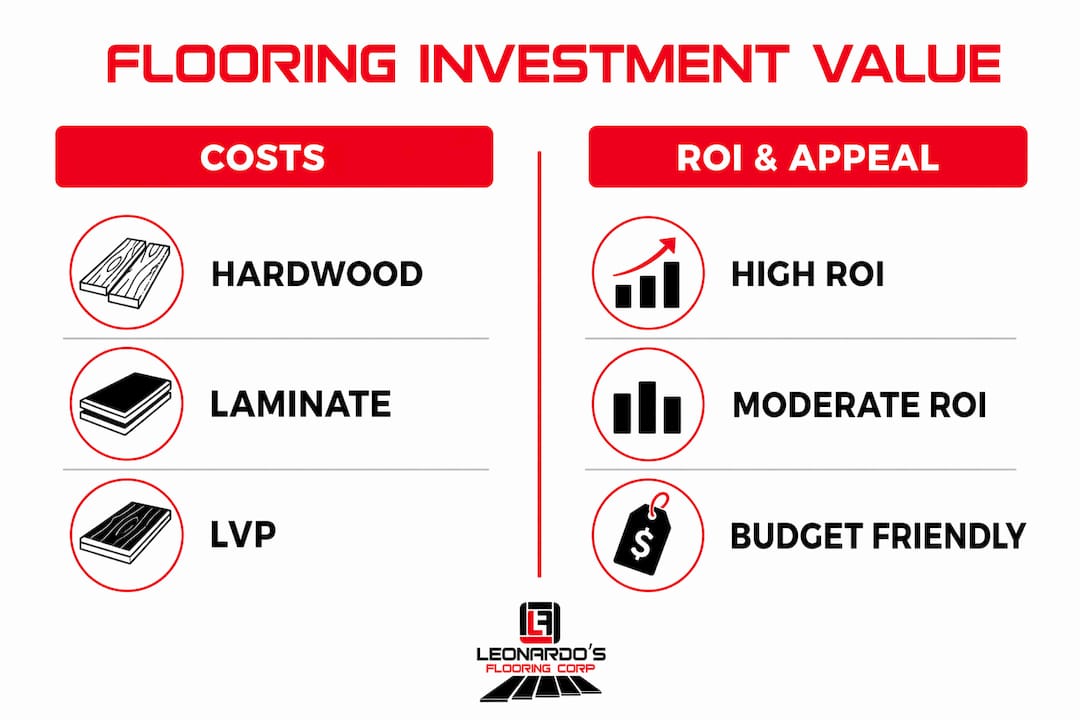
The table below summarizes how the major flooring types compare across the dimensions that matter most to homeowners and property managers:
| Flooring type | Avg. cost per sq. ft. | ROI estimate | Refinishing potential | Buyer appeal |
|---|---|---|---|---|
| Solid hardwood | $8 to $15 installed | ~118% (new) / ~147% (refinished) | High (multiple cycles) | Highest |
| Engineered hardwood | $5 to $10 installed | ~70% to 85% | Limited (1 to 2 cycles) | High |
| Luxury vinyl plank | $3 to $7 installed | ~70% to 85% | None | Moderate |
| Laminate | $2 to $5 installed | Below 70% | None | Lower |
Solid hardwood remains the gold standard for resale value, particularly in markets where buyers expect it in higher-priced homes. Engineered hardwood is a cost-effective alternative with better moisture resistance, making it well-suited to Denver’s climate where humidity levels shift significantly between seasons. You can read more about the benefits of engineered wood and how it compares to solid hardwood for different room types.
LVP and laminate deliver strong functional performance and are appropriate choices for rental properties or rooms where moisture risk is high. However, LVP and engineered hardwood yield an average ROI of 70% to 85%, which is solid but meaningfully below what hardwood delivers. The right choice depends on your exit strategy: if you plan to sell within five years, hardwood is worth the premium. If you are managing a long-term rental, LVP’s durability and lower replacement cost may serve you better.
What should you consider before choosing quality flooring?
Selecting the right flooring requires matching the product to the specific demands of each room and property type. A floor that performs well in a dry bedroom will fail quickly in a moisture-prone basement or a high-traffic commercial entry. The following factors should drive your decision:
- Moisture exposure: Bathrooms, kitchens, and basements require flooring with verified water resistance. LVP and porcelain tile outperform solid hardwood in these environments. Review what makes flooring durable for a room-by-room breakdown.
- Foot traffic volume: High-traffic areas need flooring with strong abrasion resistance. Consumer Reports abrasion cycle testing is the most reliable way to compare products objectively.
- Sunlight exposure: South-facing rooms with large windows accelerate UV fading. Choose flooring with UV-resistant finishes or use window treatments to extend the floor’s appearance.
- Climate and humidity: Denver’s semi-arid climate with seasonal humidity swings can cause solid hardwood to expand and contract. Engineered hardwood or LVP handles these conditions with less risk of gapping or cupping.
- Refinishing potential: If you want to maximize long-term ROI, choose a material that can be refinished. Solid hardwood over 3/4 inch is the only category that allows multiple refinishing cycles, resetting its lifecycle value each time.
- Installation quality and warranty: A premium product installed incorrectly will underperform a mid-range product installed correctly. Always verify that your installer’s methods comply with the manufacturer’s warranty requirements.
Key takeaways
Quality flooring delivers measurable returns in resale value, durability, and lifecycle cost, with hardwood refinishing consistently outperforming replacement as the highest-ROI flooring strategy available to homeowners and property managers.
| Point | Details |
|---|---|
| Hardwood delivers the highest ROI | New hardwood installation returns ~118%; refinishing existing hardwood returns ~147% at resale. |
| Flooring condition affects offers | Worn or outdated flooring triggers lower buyer offers and slows sales, regardless of other home condition. |
| Refinishing beats replacement on cost | At $3 to $5 per sq. ft. vs. $8 to $15 for new installation, refinishing is the smarter financial move when hardwood is structurally sound. |
| Match material to room conditions | Moisture, foot traffic, and UV exposure determine which flooring type will actually last in each space. |
| Installation quality protects your investment | Improper installation voids warranties and accelerates wear, negating the value of buying quality materials. |
What I’ve learned after years of watching floors make or break a sale
I have seen homeowners spend $40,000 on a kitchen remodel and then lose that value at the negotiating table because their floors looked tired. Buyers do not separate the floors from the home. They experience the whole property as a single impression, and floors are the largest surface in that impression.
The refinishing insight is the one I push hardest with clients who are preparing to sell. Most people assume worn hardwood means replacement. It rarely does. A refinish at $3 to $5 per square foot that returns 147% is one of the best financial moves available in residential real estate, and it takes days, not weeks. The floor you already own is often your best asset.
For property managers, the operational math is equally clear. Downtime is money. A refinish that takes hours instead of days keeps units occupied and tenants satisfied. The hygiene benefit of sealing micro-gaps is a genuine advantage in multi-unit buildings where maintenance complaints compound quickly.
My practical advice: think about your floor as a lifecycle asset, not a one-time purchase. Choose a material with refinishing potential, install it correctly the first time, and plan for a refinish cycle every 7 to 10 years. That approach will outperform any budget floor you replace every five years, both financially and in the experience it creates for the people living in the space.
— Jim
Get expert flooring guidance from Leonardosflooringcorp
Leonardo’s Flooring Corp has helped Denver homeowners and property managers make smart flooring investments for over 10 years. Whether you are weighing hardwood floor installation against refinishing, comparing laminate options for a rental property, or selecting vinyl flooring for a high-traffic commercial space, the team brings the same approach to every project: listen first, recommend second, and install it right. With 125+ five-star reviews and Home Depot Contractor status, Leonardosflooringcorp delivers workmanship that protects your investment from day one. Contact us for an in-home consultation tailored to your specific space, budget, and timeline.
FAQ
What ROI does hardwood flooring deliver at resale?
Hardwood floor installation delivers an estimated 118% ROI, while refinishing existing hardwood delivers approximately 147% ROI. Homes with hardwood floors typically sell for 2.5% to 5% more than comparable homes without them.
Is refinishing always better than replacing hardwood floors?
Refinishing is the better financial choice when the existing hardwood is structurally sound and thicker than 3/4 inch. Replacement becomes necessary when boards are too thin for sanding, structurally damaged, or have already been refinished to their limit.
How does flooring quality affect buyer perception?
Flooring condition directly influences buyer offers. Outdated carpet or scratched laminate signals deferred maintenance and lowers perceived home value, while quality hardwood or well-maintained floors support faster sales at higher prices.
What flooring type offers the best long-term value?
Solid hardwood offers the highest resale premium and refinishing potential, making it the strongest long-term investment. Engineered hardwood and LVP deliver solid ROI of 70% to 85% and are better suited to moisture-prone environments or rental properties.
Why does professional installation matter for flooring ROI?
Improper installation voids manufacturer warranties and accelerates wear, which eliminates the financial protection of buying quality materials. Professional installation, with correct subfloor preparation and expansion gaps, is what allows quality flooring to perform at its rated lifespan.