
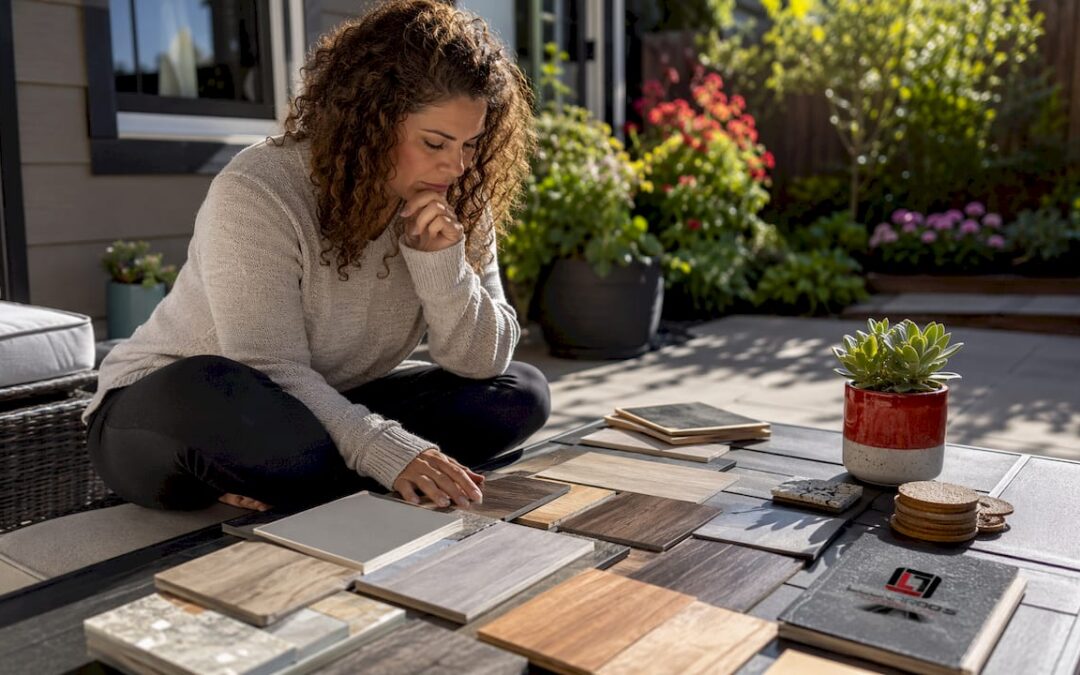
Must-have features in flooring are the critical attributes that determine how well a floor performs, how long it lasts, and how safe it keeps the people who walk on it. The industry term for this evaluation framework is “flooring specification,” and it covers everything from wear layer thickness and slip resistance ratings to moisture management and subfloor preparation. Whether you manage a commercial property in Denver or are updating a single room at home, getting these specifications right from the start saves money, prevents accidents, and protects your investment. Leonardosflooringcorp has spent over 10 years helping homeowners and property managers navigate exactly these decisions.
1. Must-have features in flooring start with durability
Durability is the foundation of every good flooring decision. The right material handles daily wear without breaking down, fading, or requiring constant repair.
Wear layer thickness is the single most measurable durability factor in resilient flooring. Commercial LVT requires a 20 mil wear layer for general traffic, and healthcare or heavy-use environments need even more. Thicker wear layers resist abrasion longer, which directly reduces replacement frequency and lifecycle cost.
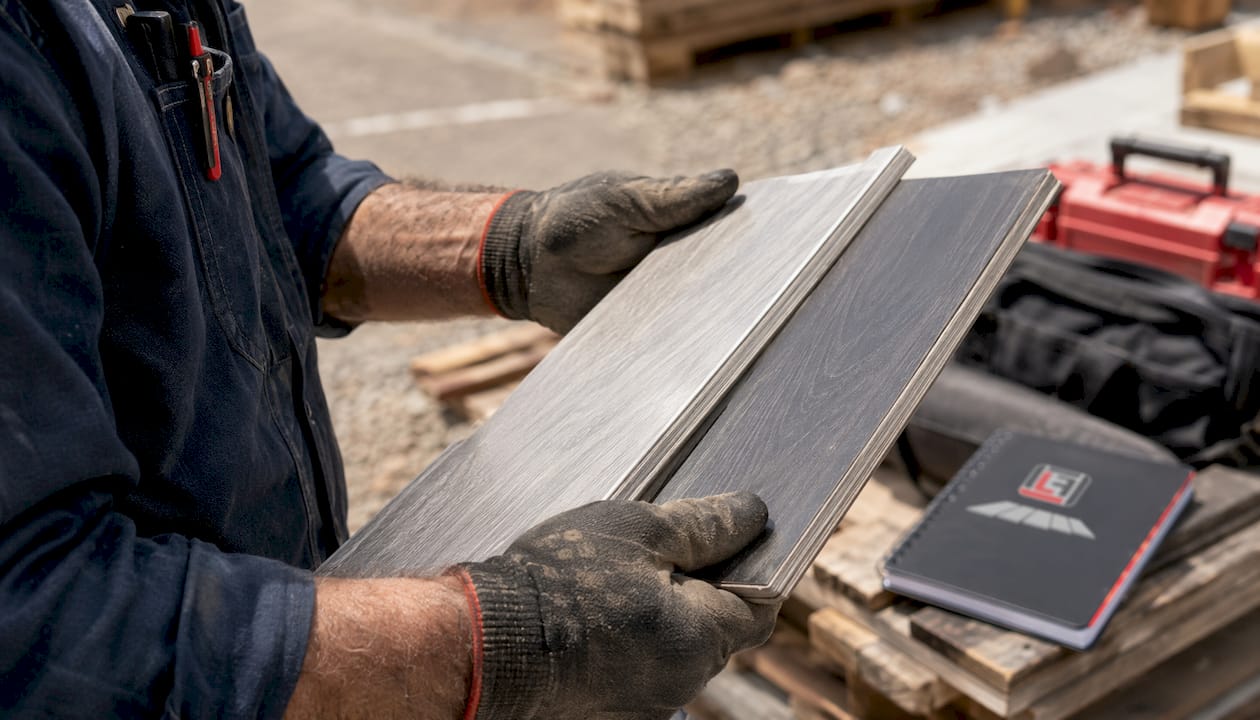
Material hardness also matters. Porcelain tile rates Mohs 7 for scratch resistance and absorbs less than 0.5% water, making it nearly impervious in wet or high-traffic zones. Stone-plastic composite (SPC) vinyl and polished concrete offer similar toughness for commercial applications.
Solid hardwood takes a different approach to durability. Hardwood floors can be refinished 3 to 5 times, giving them a long effective lifespan even though their surface hardness is moderate. Refinishability is the real durability advantage of wood, not its initial toughness. You can learn more about this process in Leonardosflooringcorp’s guide to floor refinishing.
Pro Tip: Select wear layer thickness based on traffic intensity, not just price. A 12 mil wear layer works fine in a bedroom, but a busy kitchen or retail floor needs at least 20 mil to avoid premature wear.
2. Slip resistance and safety compliance
Slip and fall injuries from flooring cause over 2 million ER visits annually in the U.S. That number makes slip resistance one of the most consequential flooring specifications you can set.
The ANSI A326.3 standard sets a minimum Dynamic Coefficient of Friction (DCOF) of 0.42 for wet commercial interior floors. Kitchens, hospitals, and pool decks require higher thresholds. Residential spaces benefit from the same thinking, especially bathrooms and entryways.
Surface texture drives DCOF performance. Matte and textured finishes consistently outperform polished or glossy surfaces in wet conditions. The trade-off is real: high-gloss tile looks premium but scores lower on slip resistance. Choosing a honed or brushed finish gives you both safety and a clean aesthetic.
Entry mats and moisture management systems at building entrances reduce wet-zone slip risk significantly. Pairing proper mat placement with DCOF-compliant tile or textured vinyl creates a layered safety approach that works in both residential mudrooms and commercial lobbies.
3. Moisture management and subfloor integrity
Moisture is the most common cause of flooring failure. Vapor levels exceeding 75–80% relative humidity in concrete slabs cause adhesive bond failures and floor delamination, per ASTM F2170 standards. Testing before installation is not optional.
Subfloor flatness is equally critical. Failing to level the subfloor within 3/16 inch over 10 feet leads to premature joint and lock failures in click-lock flooring. This applies to laminate, LVT, and engineered hardwood. A flat, dry subfloor is the single biggest predictor of long-term floor performance.
Adhesive selection must match both moisture conditions and substrate characteristics. Using the wrong adhesive in a high-moisture environment voids most manufacturer warranties and causes bond failure within months. Leonardosflooringcorp always tests subfloor moisture before any installation to prevent this outcome.
4. Aesthetic and functional flooring qualities
Good flooring looks right and works right at the same time. Color, pattern, and texture choices affect how a space feels, how dirt shows, and how well the floor holds up visually over time.
UV resistance and fade resistance are underrated functional qualities. Floors near large windows or glass doors face direct sun exposure that bleaches color and degrades surface finishes. Porcelain tile and quality LVT hold color far longer than natural wood or lower-grade laminate in sun-exposed rooms.
Zone-based material selection creates a cohesive look while matching performance to each area’s demands. Using large-format tile in a kitchen, engineered hardwood in a living room, and textured LVT in a mudroom can feel unified when you coordinate undertones and transition strips carefully.
Pro Tip: When mixing materials across zones, choose transition strips that match the lighter of the two floor colors. This creates a visual flow that reads as intentional rather than patched together.
Ease of cleaning is a functional quality that homeowners often underestimate until they are living with the floor. Textured surfaces trap dirt more than smooth ones. Grout lines in tile require periodic sealing. Polished concrete wipes clean in seconds. Match the surface texture to your actual cleaning habits, not just your design preferences.
5. Zone-based feature selection for homes and commercial spaces
Professionals rarely choose a single flooring material for high-traffic commercial spaces. They map the property into clean zones, wet zones, and punishment zones, then select materials tailored to each area’s specific demands.
The same logic applies to residential properties. A home’s entryway, kitchen, and bathrooms are wet and punishment zones. Bedrooms and home offices are clean zones with low moisture and moderate foot traffic. Matching material specifications to zone demands extends floor life and reduces maintenance costs.
| Zone type | Key demands | Recommended features |
|---|---|---|
| Clean zone (bedroom, office) | Low traffic, dry conditions | Hardwood, carpet, standard LVT |
| Wet zone (bathroom, kitchen) | Moisture, slip risk | Porcelain tile, textured LVT, DCOF 0.42+ |
| Punishment zone (entryway, retail) | Heavy traffic, debris, impact | SPC vinyl, PEI Class 5 tile, 20 mil wear layer |
| Commercial corridor | Constant foot traffic, cleaning chemicals | Polished concrete, commercial LVT |
Winter conditions add another layer of complexity for Denver properties. Salt and grit tracked in from snowy sidewalks accelerate surface wear and scratch finishes. Leonardosflooringcorp recommends SPC vinyl or porcelain tile for entryways in Colorado homes precisely because both materials handle salt exposure without degrading.
6. Installation and maintenance factors that protect flooring features
Proper installation preserves every feature you paid for. Poor installation destroys them. The most durable material on the market will fail early if the subfloor is not prepared correctly or the adhesive is mismatched to the substrate.
Maintenance costs vary widely by material and affect total cost of ownership significantly. Polished concrete costs $0.10–$0.55 per square foot per year to maintain. VCT requires regular stripping, waxing, and buffing at $0.25–$0.50 per square foot per cycle, multiple times annually. Choosing a lower-cost material with high maintenance needs often costs more over a 10-year period than a premium material with low upkeep.
Warranty realities matter too. Many warranty programs are prorated after 5 to 7 years, meaning coverage diminishes quickly. Reading the fine print before purchase sets realistic expectations for both longevity and out-of-pocket repair costs.
Order 8–12% extra flooring material for waste and future repairs. Dye lots and batch numbers change frequently, making exact future replacements difficult or impossible. That extra material stored in a closet can save you from a visible patch job years later.
Pro Tip: Ask your installer for the manufacturer’s acclimation requirements before delivery day. Hardwood and engineered wood need 48–72 hours to adjust to your home’s temperature and humidity before installation. Skipping this step causes gaps and buckling.
For a deeper look at what can go wrong, Leonardosflooringcorp’s guide to hardwood installation mistakes covers the most common and costly errors homeowners make.
7. Matching flooring features to long-term property value
The best flooring choices align with how long you plan to own the property and what buyers or tenants will value. Wood floors excel as luxury flooring largely because of their refinishing capacity, not their initial toughness. A hardwood floor installed today can look brand new in 20 years after two refinishing cycles. That restoration value is a real financial asset when selling or leasing a property.
For commercial property managers, lifecycle cost per square foot is the right metric. Polished concrete and large-format porcelain tile carry higher upfront costs but deliver the lowest annual maintenance spend over a decade. Choosing materials based on first cost alone is the most expensive mistake in commercial flooring. You can explore how quality flooring pays off in real financial terms for both residential and commercial properties.
Key Takeaways
The most effective approach to flooring is selecting materials by zone, verifying slip resistance against ANSI A326.3, and preparing the subfloor to ASTM F2170 moisture standards before any installation begins.
| Point | Details |
|---|---|
| Wear layer thickness matters | Choose at least 20 mil for commercial or high-traffic residential zones. |
| Slip resistance is measurable | ANSI A326.3 requires a minimum DCOF of 0.42 for wet areas. |
| Subfloor prep drives longevity | Moisture above 75–80% RH causes adhesive failure and delamination. |
| Zone-based selection outperforms one-material plans | Map clean, wet, and punishment zones before choosing any material. |
| Order extra material upfront | Buy 8–12% more than needed to allow for future repairs with matching dye lots. |
What I’ve learned after 10 years of flooring installations in Denver
The single most expensive mistake I see homeowners and property managers make is choosing flooring based on looks alone, then discovering the subfloor was never properly prepared. A beautiful floor installed over a wet or uneven subfloor will fail within two to three years. No material, regardless of price, survives a bad foundation.
The second mistake is treating the whole property as one zone. A kitchen and a bedroom have completely different demands. Putting the same material everywhere is a budget decision that usually costs more in repairs and replacements than a zone-based plan would have.
Hardwood is still my top recommendation for living areas and bedrooms in Denver homes, not because it is the toughest material, but because it is the most restorable. A refinished hardwood floor adds real value to a home sale. Polished concrete and porcelain tile are my go-to choices for commercial corridors and wet zones because the maintenance math is simply better over a decade.
The homeowners and property managers who get the best results are the ones who ask about subfloor conditions before they ask about colors. That order of priorities is what separates a floor that lasts 30 years from one that needs replacing in five.
— Jim
Leonardosflooringcorp can help you get every feature right
Choosing the right flooring features is one thing. Installing them correctly is another. Leonardosflooringcorp handles both for homeowners and property managers across the Denver metro, from subfloor moisture testing and preparation through final installation and finish work.
The team at Leonardosflooringcorp works with hardwood, laminate, vinyl, tile, and epoxy across residential and commercial projects. Every installation starts with a proper subfloor assessment, because that is where most flooring failures begin. If you are planning a flooring project and want it done right the first time, explore Leonardosflooringcorp’s professional flooring installation services or get a closer look at hardwood floor installation options for Denver properties. With 125+ five-star reviews and over a decade of local experience, Leonardosflooringcorp delivers results that hold up.
FAQ
What is the minimum slip resistance rating for flooring?
ANSI A326.3 requires a minimum DCOF of 0.42 for wet or potentially wet commercial interior floors. Kitchens, hospitals, and other high-risk areas require higher ratings.
How thick should a wear layer be for high-traffic areas?
Commercial LVT requires a 20 mil wear layer for general traffic. Healthcare and heavy-use environments need thicker wear layers to handle the additional abrasion.
What moisture level is safe for flooring installation?
ASTM F2170 standards identify 75–80% relative humidity in concrete slabs as the threshold above which adhesive bond failures and delamination become likely. Always test before installing.
How many times can hardwood floors be refinished?
Solid hardwood floors can be refinished 3 to 5 times, giving them a lifespan that outlasts most other flooring materials when properly maintained.
How much extra flooring material should I order?
Order 8–12% more than your measured square footage to account for installation waste and future repairs. Dye lots change frequently, making exact matches difficult after the original purchase.